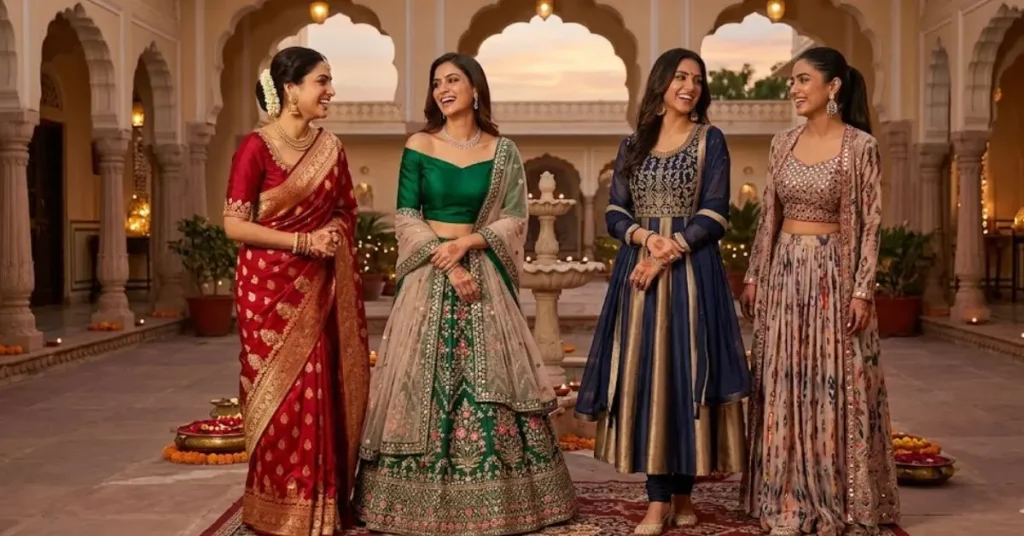
Indian Dresses are known worldwide for their elegance, vibrant colors, and timeless beauty. From traditional sarees to modern Indo-western outfits, Indian fashion beautifully blends culture with contemporary trends. Women of all ages love Indian Dresses because they offer grace, comfort, and style for every occasion.
Whether you are attending a wedding, festival, party, or casual gathering, Indian Dresses always make a fashionable statement. Today, these outfits are not only popular in India but are also admired globally for their rich fabrics, intricate embroidery, and luxurious designs.
What Are Indian Dresses?
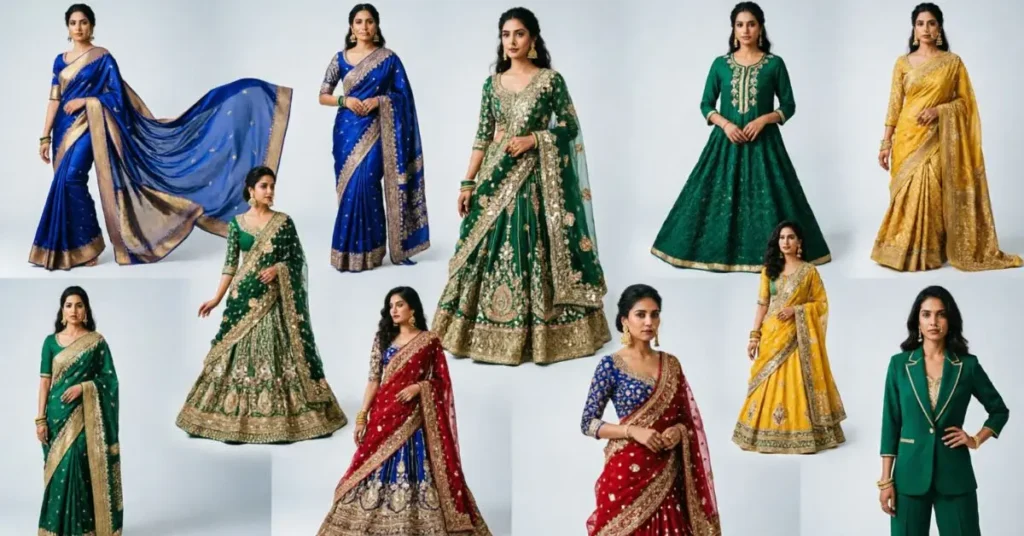
Indian dresses are traditional and modern ethnic outfits inspired by the rich culture, history, and heritage of India. They are known for their beautiful colors, detailed patterns, elegant embroidery, and luxurious fabrics. These outfits can be worn for weddings, festivals, religious celebrations, parties, family gatherings, and other special occasions.
Indian fashion offers a wide range of styles, from traditional garments that have been worn for generations to modern designs that combine Indian details with Western fashion. Different regions of India also have their own unique fabrics, embroidery techniques, prints, and dressing styles.
Indian fashion includes outfits such as:
- Sarees: A timeless traditional outfit that can be styled for weddings, festivals, parties, and formal events.
- Lehenga Choli: A popular choice for weddings and celebrations, usually featuring a decorated skirt, blouse, and matching dupatta.
- Salwar Kameez: A comfortable and versatile outfit that works well for both casual and festive occasions.
- Anarkali Dresses: Known for their long, flowing shape, these outfits create an elegant and graceful appearance.
- Kurtis: Easy to style and suitable for everyday wear, office outfits, casual gatherings, and festive looks.
- Sharara Suits: Wide-leg bottoms paired with a short or long top, often decorated with embroidery or embellishments.
- Indo-Western Dresses: Modern outfits that combine traditional Indian elements with contemporary Western silhouettes.
History and Evolution of Indian Dresses
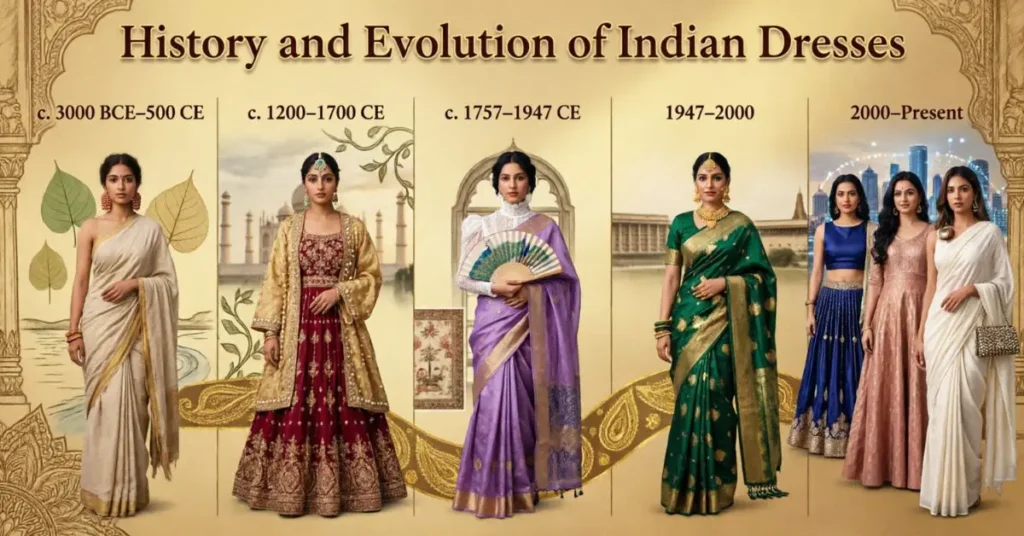
Indian fashion has a rich history that dates back thousands of years. Traditional clothing styles developed through ancient cultural influences, regional traditions, local craftsmanship, and changing social customs. Different parts of India developed their own unique fabrics, patterns, embroidery techniques, and ways of dressing.
In earlier times, Indian dresses mainly focused on:
- Handwoven Fabrics: Many garments were made using traditional weaving methods and natural fibers.
- Traditional Embroidery: Detailed embroidery, threadwork, zari, and decorative patterns were used to add beauty to clothing.
- Cultural Symbolism: Colors, patterns, and clothing styles often reflected regional traditions and cultural values.
- Religious Importance: Certain outfits and colors were traditionally worn during religious ceremonies, festivals, and important cultural occasions.
- Regional Craftsmanship: Different regions became known for their own textiles, prints, embroidery, and traditional designs.
As Indian society and fashion continued to evolve, designers began experimenting with new fabrics, cuts, silhouettes, and styling techniques. Western fashion also influenced modern Indian clothing, leading to the creation of outfits that combine traditional details with contemporary designs.
Today, Indian dresses offer a beautiful balance between traditional elegance and modern fashion. Classic outfits such as sarees, lehengas, Anarkali suits, and salwar kameez continue to remain popular, while Indo-Western styles provide a more contemporary option.
Modern Indian fashion may include traditional embroidery with modern necklines, shorter or structured silhouettes, fusion layering, and contemporary accessories. This combination allows people to enjoy the cultural beauty of Indian clothing while creating fresh and stylish looks for today’s occasions.
Most Popular Types of Indian Dresses
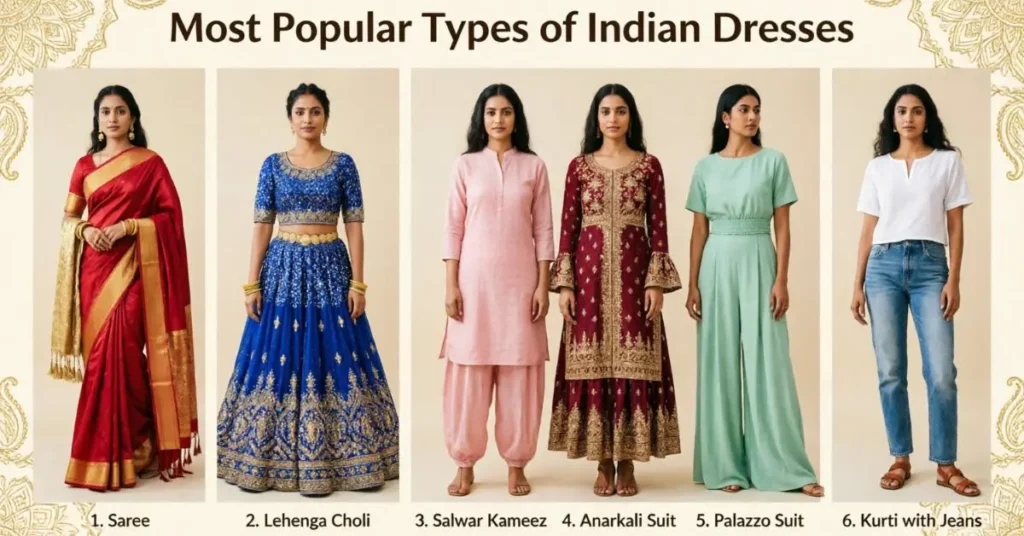
Saree
The saree is one of the most iconic Indian dresses for women. It is a long fabric draped elegantly around the body and paired with a blouse.
Popular Saree Styles
- Silk Sarees
- Banarasi Sarees
- Chiffon Sarees
- Organza Sarees
- Bridal Sarees
Sarees are perfect for weddings, festivals, and formal events.
Lehenga Choli
Lehenga Choli is a glamorous outfit consisting of:
- A long skirt
- A stylish blouse
- A dupatta
This outfit is highly popular for weddings and festive celebrations.
Trending Lehenga Designs
- Mirror work lehengas
- Floral embroidery
- Velvet lehengas
- Pastel bridal lehengas
Salwar Kameez
Salwar Kameez is one of the most comfortable Indian dresses. It includes:
- A tunic top
- Loose or fitted pants
- A matching dupatta
Women prefer this outfit for casual wear, office fashion, and daily styling.
Anarkali Dress
Anarkali Dresses feature a long frock-style silhouette with elegant flare. These dresses create a royal and feminine appearance.
Indo-Western Outfits
Indo-western fashion combines traditional Indian elements with western cuts and designs.
Examples include:
- Cape lehengas
- Jacket sarees
- Belted sarees
- Fusion gowns
These outfits are highly popular among modern fashion lovers.
Trending Indian Dress Styles in 2026
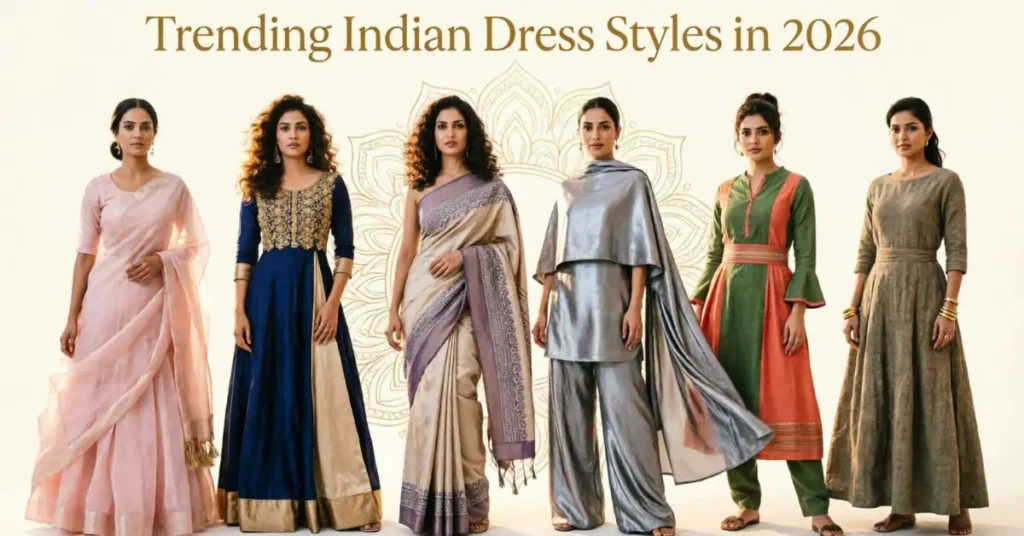
Fashion trends continue evolving every year, and Indian dresses are becoming more stylish than ever.
Popular Trends in 2026
Pastel Colors
Soft shades like:
- Sage green
- Blush pink
- Lavender
- Powder blue
are dominating ethnic fashion.
Lightweight Fabrics
Women now prefer comfortable fabrics for easy movement and all-day wear.
Floral Prints
Floral patterns continue trending in sarees, lehengas, and kurtis.
Cape Sleeves
Cape designs add a modern touch to traditional outfits.
Best Fabrics Used in Indian Dresses
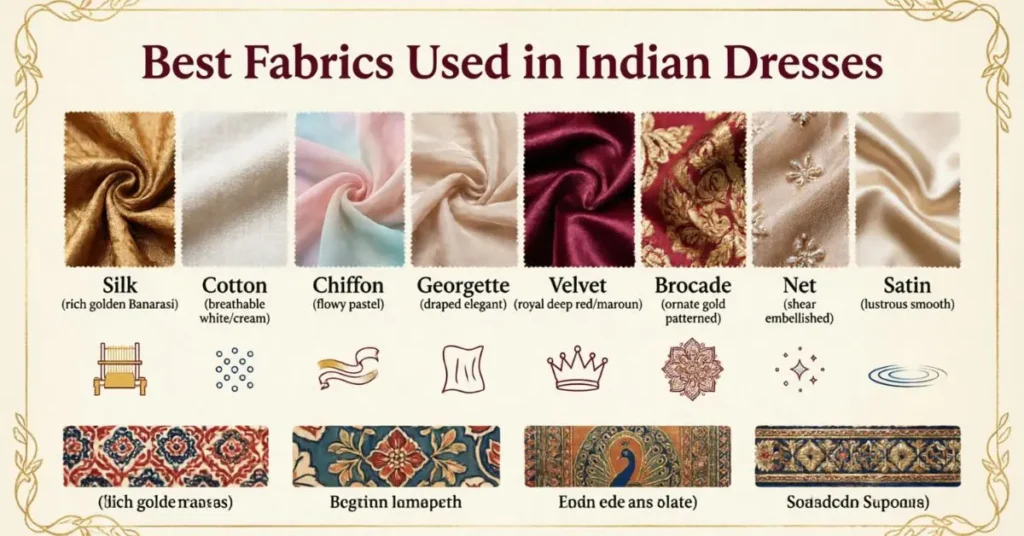
Fabric plays a major role in the overall appearance and comfort of Indian Dresses.
| Fabric | Features |
| Silk | Luxurious and royal |
| Cotton | Comfortable and breathable |
| Chiffon | Lightweight and elegant |
| Georgette | Soft and flowy |
| Velvet | Rich and glamorous |
| Organza | Stylish and modern |
Choosing the right fabric depends on the season and occasion.
How to Choose the Perfect Indian Dress for Your Body Type
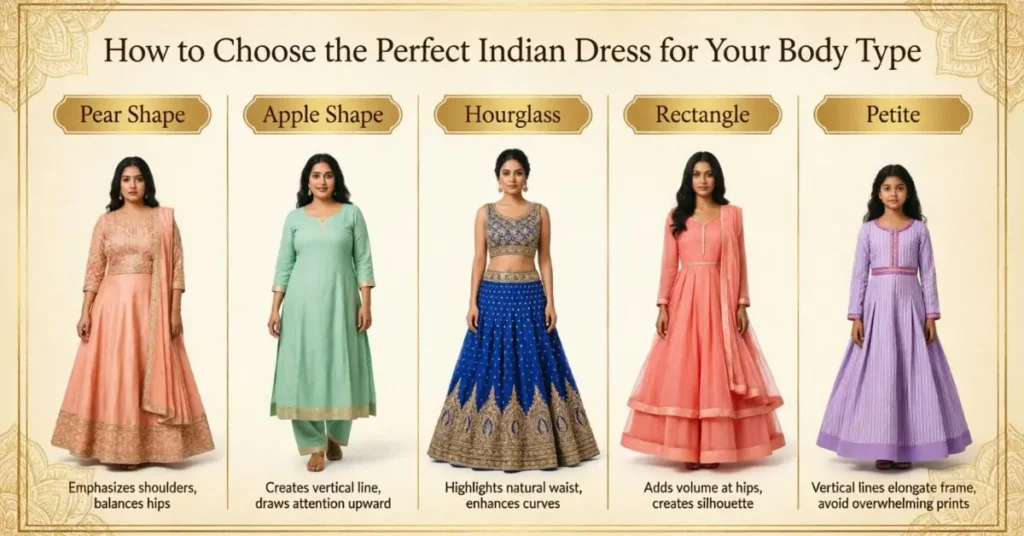
Petite Body Type
Best options:
- A-line kurtis
- Vertical prints
- Lightweight fabrics
Avoid oversized designs.
Curvy Body Type
Choose:
- Dark colors
- Structured silhouettes
- Flowy Anarkali dresses
These styles create a balanced appearance.
Tall Body Type
Tall women can experiment with:
- Layered lehengas
- Long Anarkalis
- Heavy embroidery
Plus-Size Styling Tips
- Wear comfortable fabrics
- Avoid stiff materials
- Choose V-neck styles
- Use well-fitted outfits
Confidence is the key to looking stylish.
Indian Dresses for Different Occasions
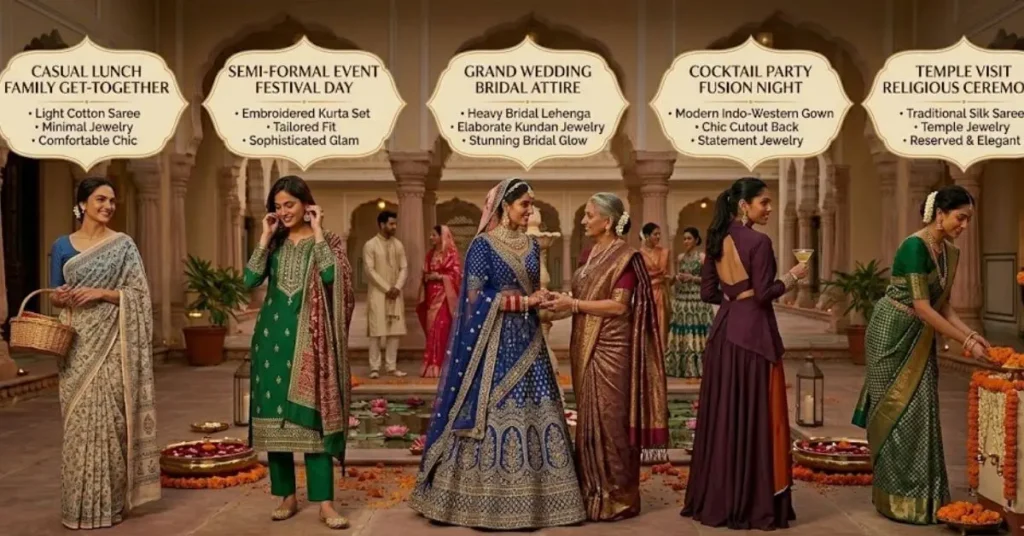
Wedding Wear
Popular wedding outfits include:
- Bridal lehengas
- Designer sarees
- Heavy Anarkali dresses
Rich embroidery and luxurious fabrics create a royal look.
Casual Wear
For daily wear:
- Cotton kurtis
- Printed salwar suits
- Simple Indo-western outfits
These styles provide comfort and elegance.
Festival Outfits
Festivals call for colorful and vibrant Indian Dresses such as:
- Sharara suits
- Silk sarees
- Embroidered kurtis
Party Wear
Modern party wear includes:
- Sequin sarees
- Designer gowns
- Fusion dresses
Office Ethnic Fashion
Professional ethnic fashion includes:
- Straight kurtis
- Minimal salwar suits
- Neutral-tone sarees
These outfits maintain elegance while looking professional.
Best Color Combinations for Indian Dresses
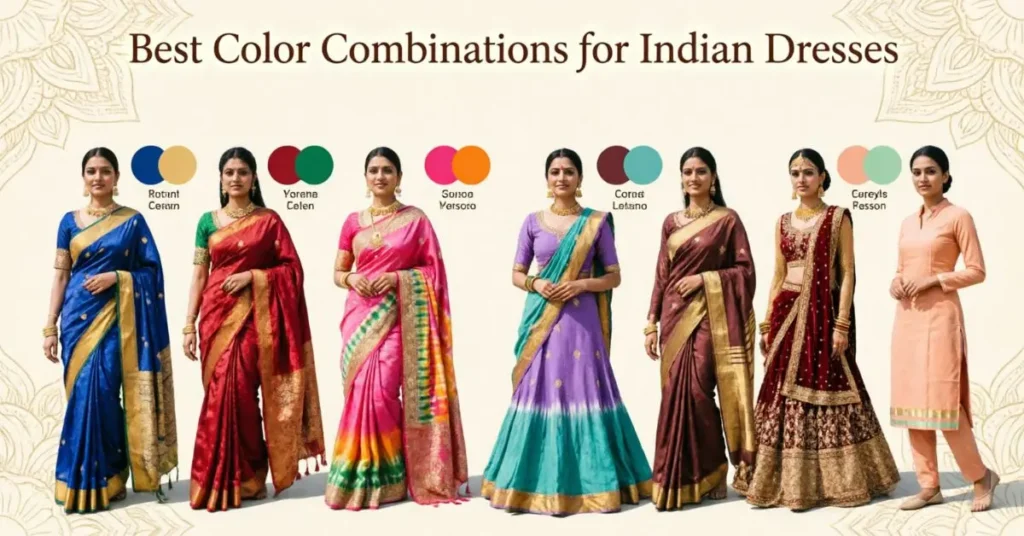
Royal Colors
- Maroon and gold
- Navy blue and silver
- Emerald green and beige
Pastel Shades
- Lavender and white
- Blush pink and silver
- Mint green and ivory
Bridal Combinations
- Red and gold
- Wine and beige
- Peach and champagne
Color combinations can completely transform your overall look.
Seasonal Styling Tips
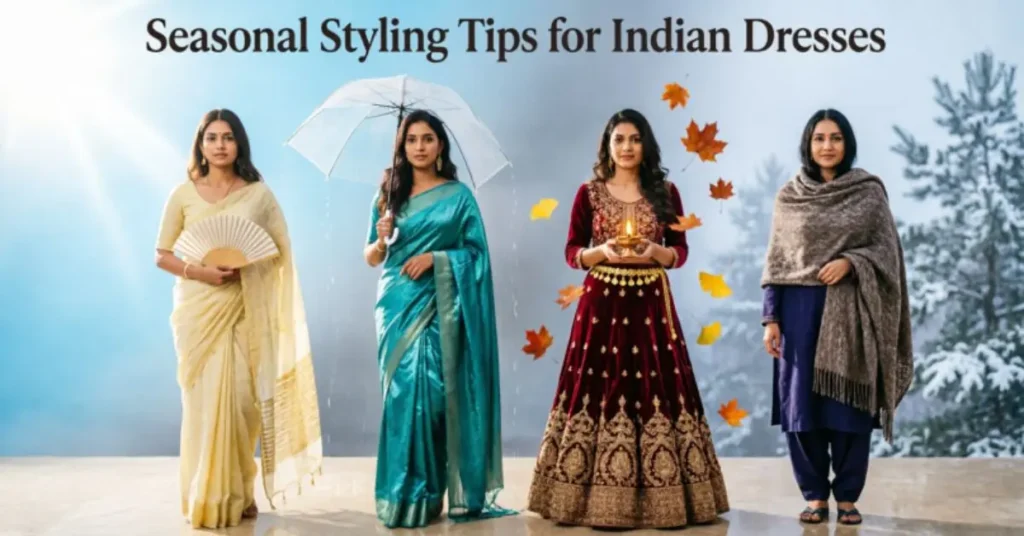
Summer is the perfect time to choose light, breathable, and comfortable Indian outfits. Cotton and linen fabrics allow air to flow easily and help you stay cool during warm days. Light shades such as white, pastel pink, mint green, sky blue, and soft yellow can also create a fresh summer look.
Wear:
- Lightweight cotton fabrics
- Light and pastel colors
- Minimal embroidery
- Loose and comfortable silhouettes
- Simple cotton dupattas
For casual outings, cotton kurtas, printed suits, and lightweight Anarkali styles are great choices. Keep accessories simple with small earrings, comfortable sandals, and a lightweight handbag. These combinations help you look stylish while staying cool and comfortable.
Winter Ethnic Styling
Winter ethnic fashion is all about warmth, rich fabrics, and elegant layering. Velvet, wool blends, silk, and heavier materials can add both comfort and luxury to your outfit. Deep colors such as maroon, emerald green, navy blue, burgundy, and royal purple work beautifully during the colder months.
Choose:
- Velvet or warm fabrics
- Full sleeves
- Layered dupattas
- Embroidered shawls
- Rich and darker colors
You can pair an embroidered ethnic outfit with a warm shawl or velvet dupatta for a sophisticated appearance. Traditional jewelry, embellished footwear, and a stylish handbag can complete the look. Winter ethnic fashion allows you to combine traditional details with a luxurious modern touch.
Festive Styling
Festive occasions are the perfect opportunity to experiment with bright colors, beautiful embroidery, and traditional accessories. Indian festive outfits often feature detailed patterns, embellishments, sequins, zari work, or delicate thread embroidery that make the overall look feel special.
For festivals, choose:
- Bright and vibrant colors
- Embroidered outfits
- Traditional jewelry
- Decorative dupattas
- Embellished footwear
For a complete festive appearance, pair your outfit with statement earrings, bangles, or a traditional necklace. Colors such as red, orange, pink, gold, green, and royal blue can create a lively and celebratory appearance. The key is to balance your outfit and accessories so your overall look feels elegant rather than overloaded.
Affordable vs Designer Indian Dresses
Affordable Indian Dresses
Budget-friendly fashion offers:
- Trendy styles
- Comfortable fabrics
- Everyday elegance
These outfits are ideal for casual and office wear.
Designer Indian outfit
Designer outfits include:
- Premium fabrics
- Exclusive embroidery
- Luxury styling
They are perfect for weddings and grand events.
Common Mistakes to Avoid While Styling Indian Dresses
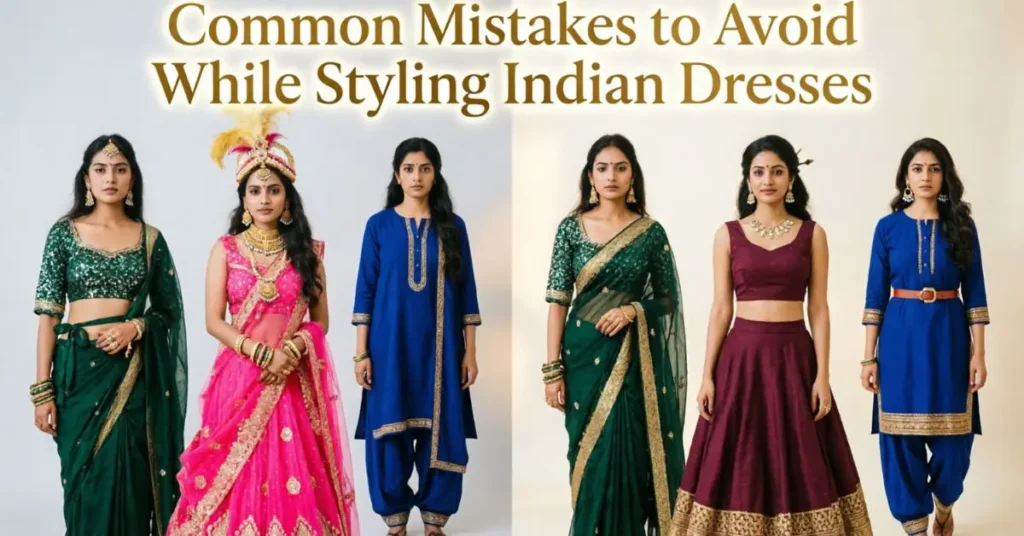
Avoid these common fashion mistakes:
- Wearing too many accessories
- Choosing uncomfortable fabrics
- Ignoring body type
- Overdoing makeup
- Mixing too many colors
Balanced styling always looks more elegant and fashionable.
Conclusion
Indian Dresses are a perfect blend of tradition, elegance, and modern fashion. Whether you love classic sarees, glamorous lehengas, or trendy Indo-western outfits, Indian ethnic fashion offers endless styling possibilities. These outfits continue evolving with modern trends while preserving cultural beauty and craftsmanship. From weddings to casual wear, Indian Dresses help women express confidence, grace, and individuality.
FAQs
1. Which Indian Dress is best for weddings?
Lehenga Choli and designer sarees are the most popular wedding outfits.
2. What fabric is best for summer Indian dresses?
Cotton and chiffon fabrics are ideal for summer.
3. Are Indian Dresses suitable for casual wear?
Yes, kurtis and salwar suits are excellent for daily wear.
4. Which colors are trending in Indian fashion?
Pastel shades like sage green, lavender, and blush pink are trending.
5. What accessories go best with Indian dresses?
Traditional jewelry, clutches, and embellished footwear complete the look.
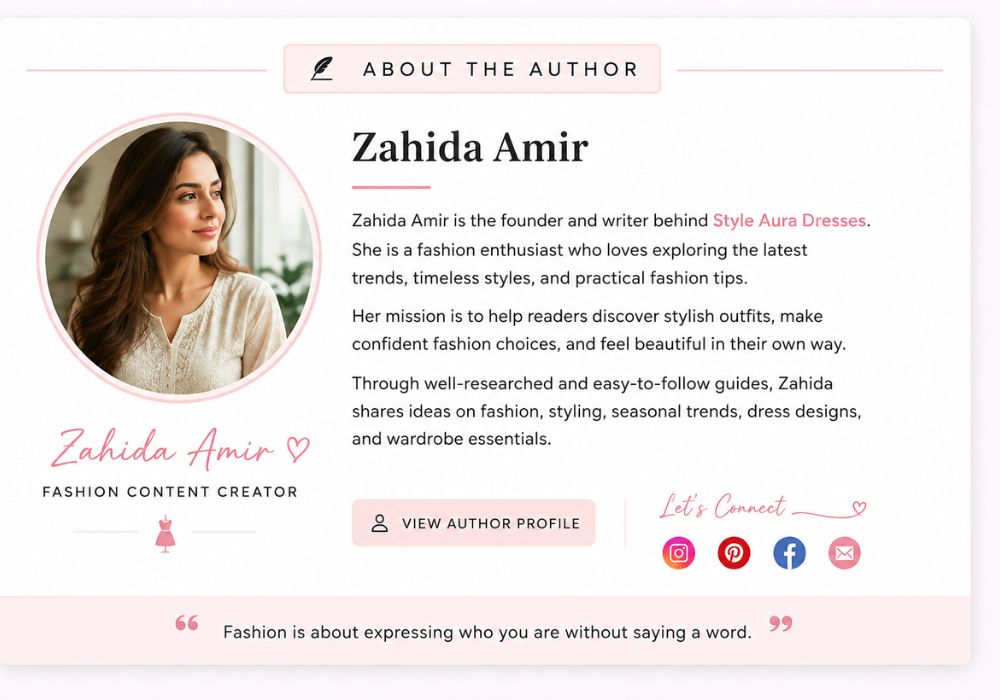
Zahida Amir is the founder and creative force behind Style Aura Dresses, a multicultural fashion blog celebrating South Asian, Western, and bridal dress styles. With a deep passion for fashion trends and timeless elegance, Zahida Amir curates content that helps readers discover the perfect look for every occasion.
Through Style Aura Dresses, Zahida Amir shares style guides, dress inspiration, and expert fashion tips, blending traditional and contemporary influences to inspire women worldwide.