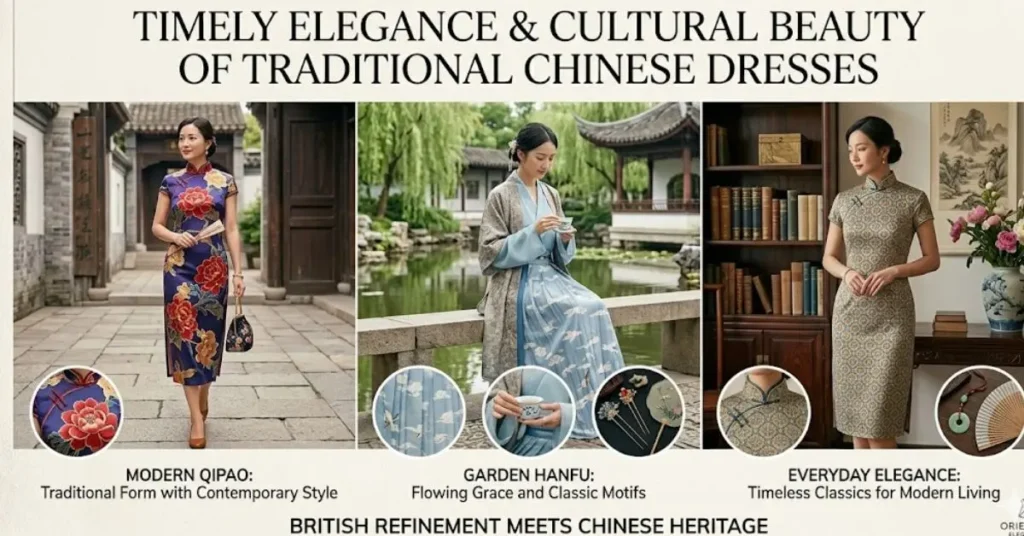
Traditional Chinese dresses are among the most elegant and culturally rich fashion styles in the world. Known for their graceful silhouettes, luxurious fabrics, and artistic embroidery, these timeless garments reflect centuries of Chinese history and heritage. From flowing Hanfu robes to the iconic Qipao, traditional Chinese fashion continues to inspire designers and fashion lovers globally. Today, many women appreciate these classic outfits not only for cultural celebrations but also for weddings, fashion events, and modern styling. Their sophisticated appearance, delicate craftsmanship, and symbolic colors make them a timeless choice for anyone who admires elegant cultural attire.
The History of Traditional Chinese Clothing
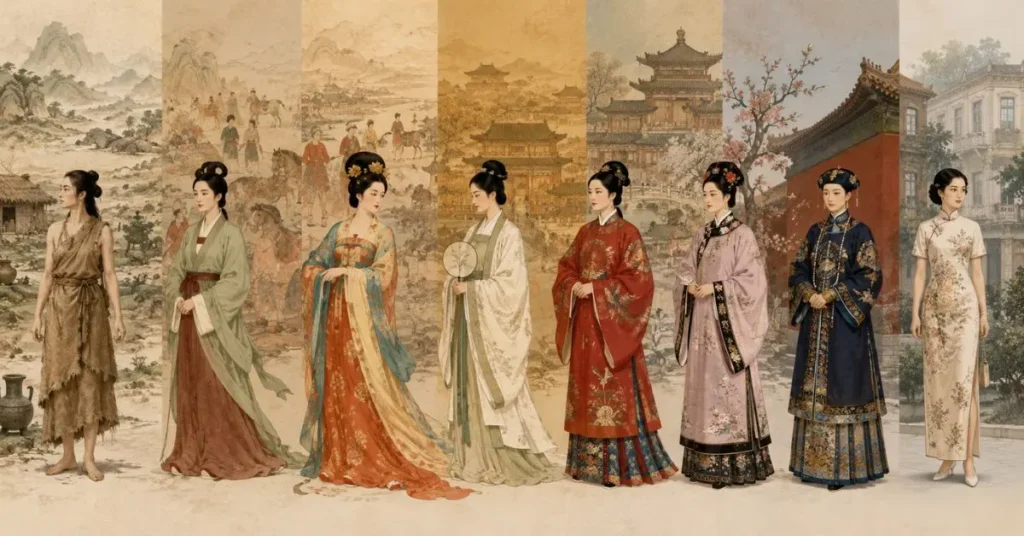
Chinese traditional clothing has a history that dates back thousands of years. Over different periods, clothing styles changed according to the culture, customs, lifestyle, and social structure of each dynasty. Traditional garments were not only worn for beauty but also reflected a person’s social status, occupation, age, and cultural identity.
During ancient times, garments often featured loose silhouettes, layered fabrics, wide sleeves, and beautiful embroidery. Natural materials such as silk were highly valued, particularly among wealthy families and members of the royal court. Colors and decorative patterns also carried special meanings. For example, certain colors were associated with prosperity, good fortune, royalty, or harmony.
Popular Types of Traditional Chinese Dresses
Hanfu
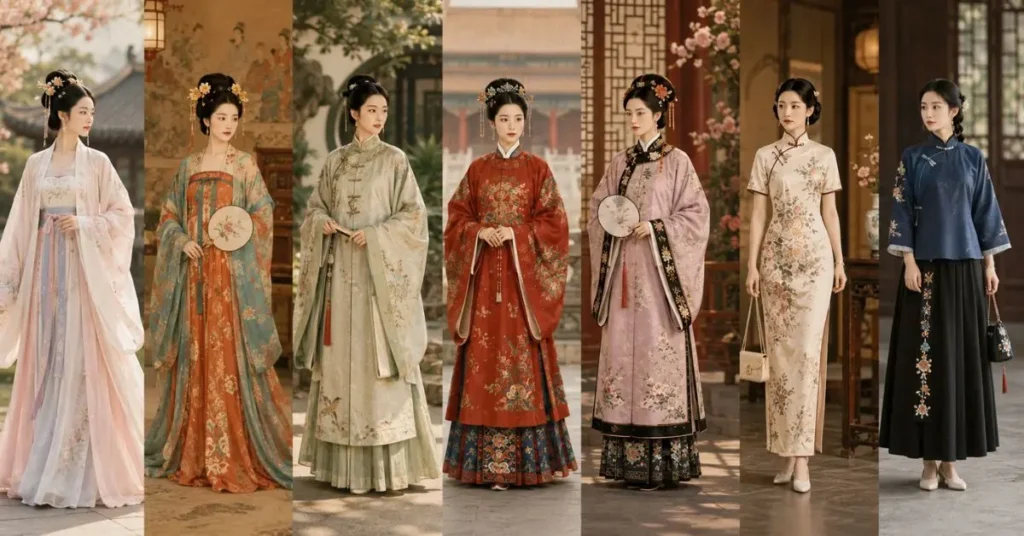
Hanfu is one of the oldest and most iconic forms of Chinese cultural attire. This flowing outfit features wide sleeves, layered robes, and delicate belts that create a graceful appearance.
Hanfu fashion is inspired by ancient Chinese dynasties and is often worn during festivals, historical events, and cultural celebrations. Many modern designers have revived Hanfu styles with updated fabrics and contemporary touches.
Qipao
The Qipao is a fitted traditional garment known for its elegant shape and refined beauty. It usually features high collars, side slits, and silk fabrics decorated with floral embroidery.
Originally popular during the 1920s in Shanghai, the Qipao became a symbol of sophistication and feminine elegance. Today, women wear this stylish outfit at weddings, formal parties, and fashion events.
Cheongsam
The Cheongsam is closely related to the Qipao and is famous for its sleek silhouette and luxurious design. It combines traditional Chinese elements with modern tailoring, creating a timeless and graceful look.
Modern Cheongsam styles are available in various fabrics, including satin, velvet, and embroidered silk, making them suitable for both traditional and contemporary occasions.
Tang Suit
The Tang Suit is another classic Chinese fashion style recognized for its mandarin collar, decorative knots, and embroidered patterns. Although traditionally worn by men, modern versions are also designed for women.
This outfit is commonly seen during Chinese New Year celebrations, cultural performances, and festive gatherings.
Why Traditional Chinese Fashion Is Still Popular
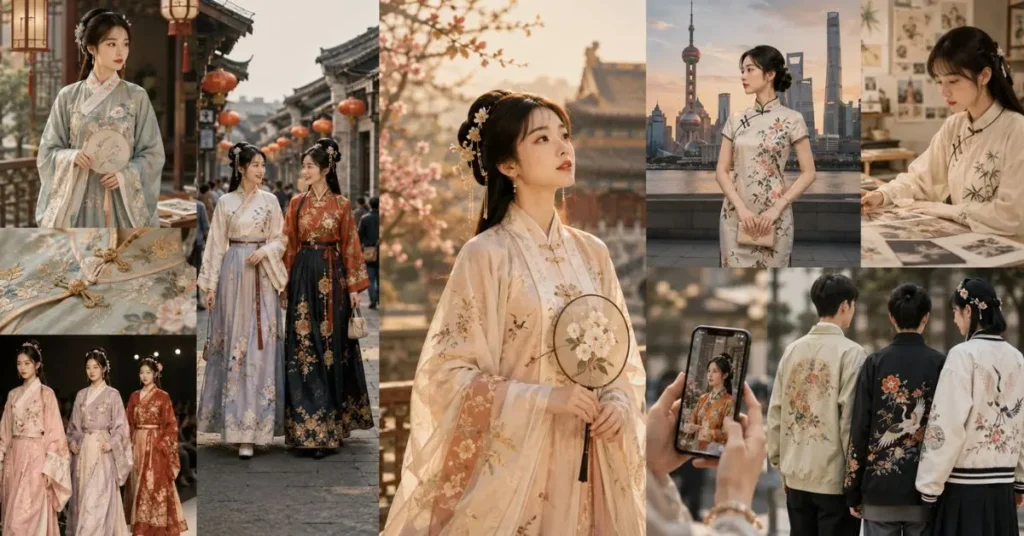
Traditional Chinese dresses continue to gain popularity because they combine cultural beauty with timeless elegance. Many fashion enthusiasts appreciate the artistic details and graceful silhouettes that make these garments unique.
Social media platforms and fashion influencers have also contributed to the global revival of Chinese traditional clothing. Modern designers now blend ancient inspiration with contemporary trends, creating stylish pieces suitable for everyday fashion.
Additionally, cultural appreciation has encouraged many people worldwide to explore traditional Asian fashion. As a result, these elegant garments are frequently featured in fashion shows, photoshoots, and luxury collections.
Best Fabrics and Colors Used in Traditional Chinese Attire
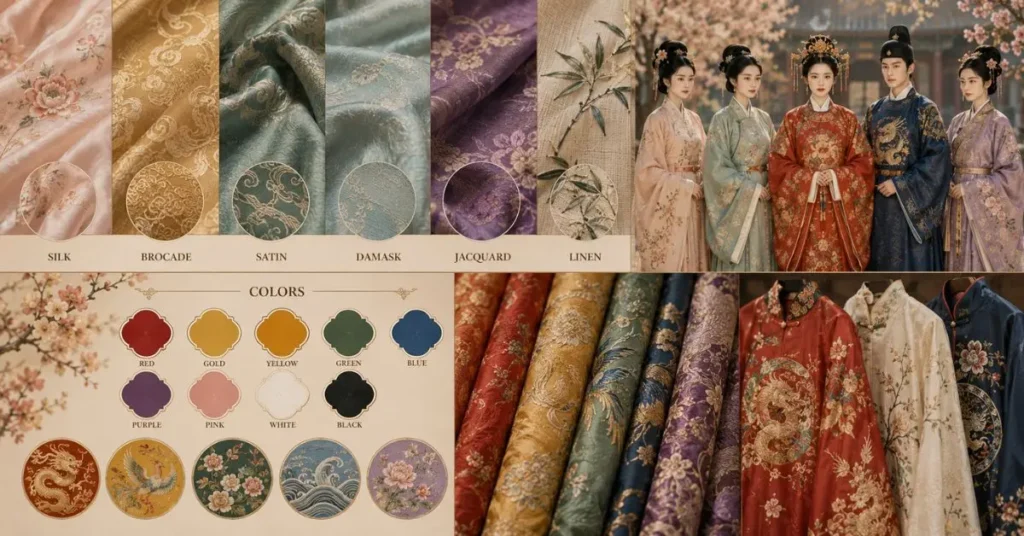
Luxurious Fabrics
Silk is the most famous fabric used in traditional Chinese fashion. It offers a soft texture, elegant shine, and luxurious appearance. Satin, brocade, velvet, and chiffon are also commonly used to create graceful and sophisticated outfits.
Embroidery plays a major role in enhancing the beauty of these garments. Floral patterns, dragons, phoenixes, and nature-inspired designs are popular decorative elements.
Symbolic Colors
Colors in Chinese fashion often carry deep cultural meanings.
- Red symbolizes happiness, prosperity, and celebration.
- Gold represents wealth and luxury.
- White reflects purity and simplicity.
- Black symbolizes elegance and strength.
These meaningful colors make traditional Chinese dresses visually stunning and culturally significant.
Traditional Chinese Dresses for Modern Occasions
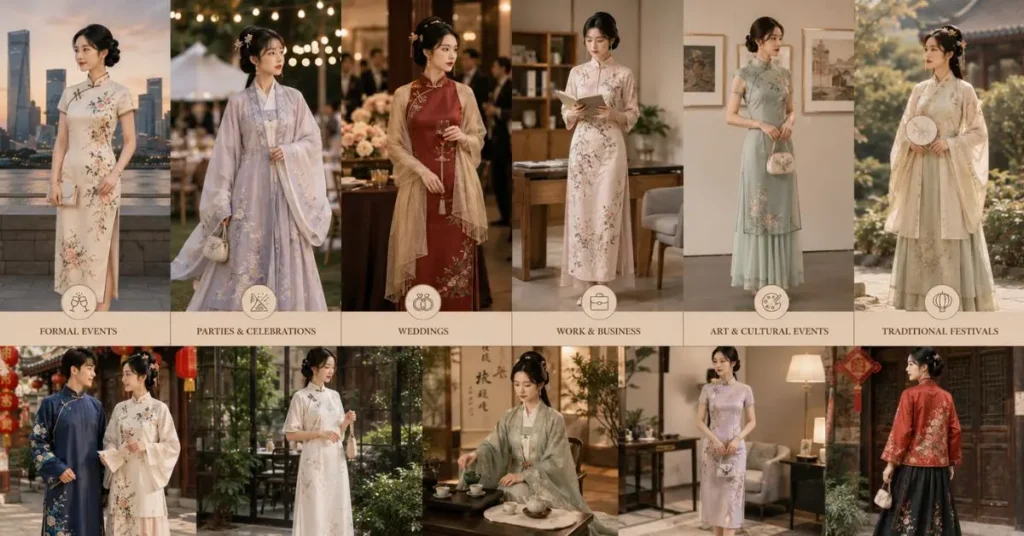
When to Wear Traditional Chinese Attire
Today, traditional Chinese attire is worn for many different events and celebrations. While these garments are strongly connected to Chinese history and cultural heritage, their elegant designs also make them suitable for modern occasions. From weddings and festivals to formal dinners and fashion events, traditional outfits can create a graceful and memorable look.
Weddings
Traditional Chinese clothing is especially popular for weddings. Red Qipao and embroidered Cheongsam styles are common bridal choices because red is traditionally associated with happiness, celebration, prosperity, and good fortune.
Brides may choose richly decorated designs featuring floral embroidery, gold details, traditional motifs, and elegant fabrics such as silk. These outfits can be worn during wedding ceremonies, tea ceremonies, receptions, or wedding photography.
Festivals
Chinese New Year and other cultural festivals are perfect occasions to wear traditional clothing. Colorful Hanfu, Tang Suit, and Qipao outfits allow people to celebrate their heritage while enjoying beautiful traditional designs.
Bright colors, decorative patterns, embroidery, and flowing silhouettes are often chosen for festive occasions. Families may also coordinate traditional outfits for celebrations, photographs, and cultural gatherings.
Fashion Events
Traditional Chinese fashion has also become an inspiration for modern designers around the world. Fashion collections often incorporate elements such as Mandarin collars, silk fabrics, embroidery, traditional prints, and Chinese-inspired silhouettes.
At international fashion events and cultural showcases, designers combine these classic details with modern cuts and contemporary styling. This creates outfits that maintain traditional character while offering a sophisticated modern appearance.
Parties and Formal Gatherings
Stylish Qipao and modern Cheongsam designs can be excellent choices for luxury dinners, themed parties, cultural events, and formal gatherings. Their fitted silhouettes and elegant details create a polished appearance without requiring excessive accessories.
For a modern look, a simple Qipao can be paired with delicate jewelry, elegant heels, and a small clutch. More decorative designs can be reserved for evening celebrations or special formal occasions.
Cultural and Family Celebrations
Traditional Chinese attire is also worn during family gatherings, cultural ceremonies, photography sessions, and heritage events. Wearing these garments can be a meaningful way to celebrate cultural traditions while creating a connection between older customs and modern fashion.
With its combination of history, symbolism, and elegant design, traditional Chinese clothing remains suitable for both cultural celebrations and contemporary special occasions.
Styling Tips for Traditional Chinese Fashion
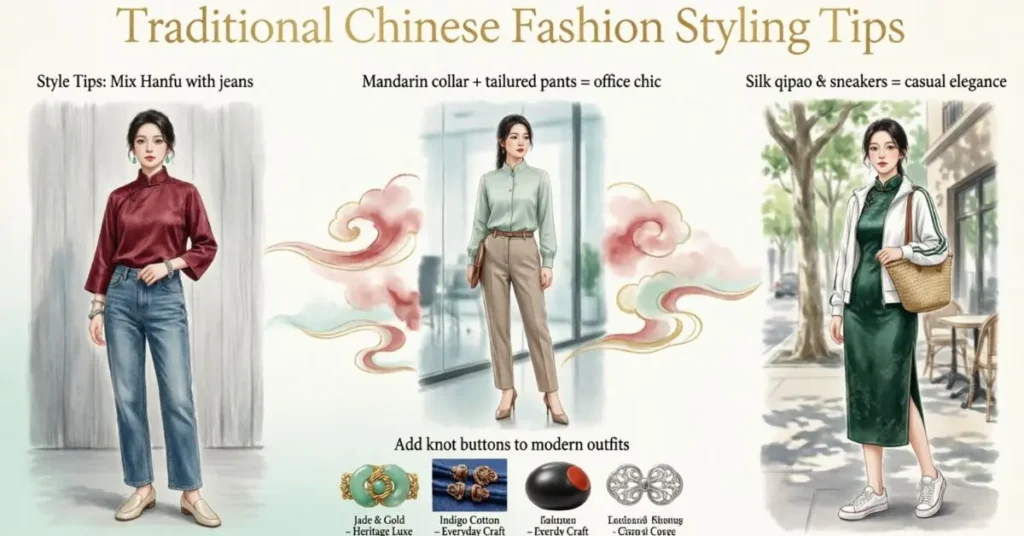
Styling traditional Chinese dresses properly can enhance their elegance and beauty.
Choose Elegant Accessories
Pair your outfit with delicate jewelry, silk fans, embroidered handbags, or hairpins inspired by Chinese culture.
Select Suitable Footwear
Elegant heels, embroidered flats, or traditional-inspired shoes complement these garments beautifully.
Keep Makeup Sophisticated
Soft makeup with red lips and subtle eye makeup creates a graceful and balanced appearance.
Pick the Right Hairstyle
Classic buns, soft curls, or sleek hairstyles pair perfectly with traditional Chinese attire.
Common Mistakes to Avoid
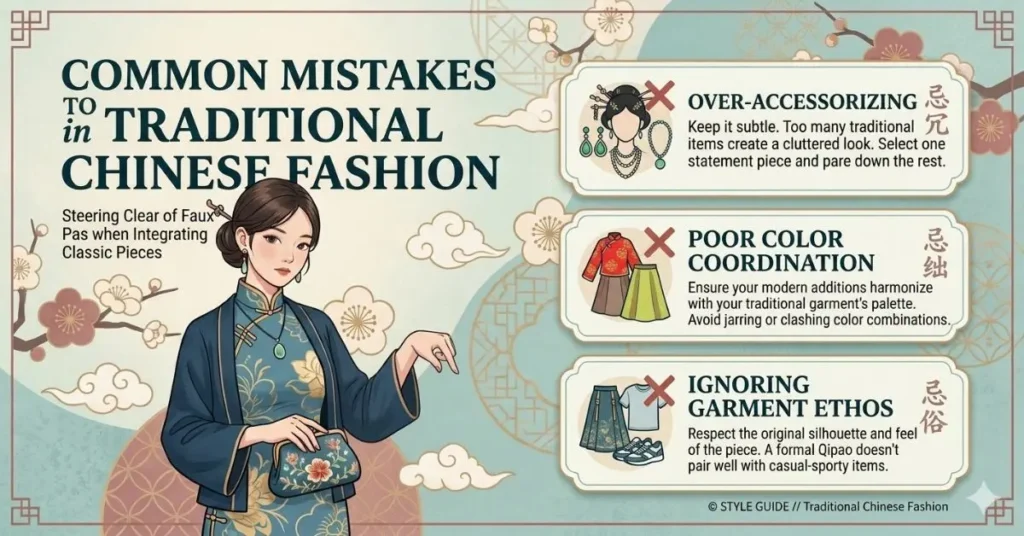
Common Mistakes to Avoid When Wearing Traditional Chinese Attire
Traditional Chinese attire has a graceful and distinctive appearance, but small styling mistakes can affect the overall look. Choosing the right fit, fabric, accessories, and complementary pieces can help you create a balanced and elegant outfit.
Choosing the Wrong Size
Traditional Chinese dresses are designed to create an elegant and polished silhouette. Wearing a size that is too tight may feel uncomfortable and restrict movement, while an oversized outfit can lose its refined shape.
Always check the size guide before purchasing and consider the garment’s cut and fabric. A well-fitted Qipao or Cheongsam should feel comfortable while maintaining its intended silhouette.
Over-Accessorizing
Traditional Chinese clothing often includes beautiful embroidery, decorative buttons, patterns, and detailed fabrics. Adding too many accessories can make the overall appearance look crowded and take attention away from the outfit.
Choose a few simple accessories, such as delicate earrings, a small clutch, or elegant shoes. Let the traditional details of the garment remain the main focus.
Ignoring Fabric Quality
Fabric quality can make a significant difference in the appearance and comfort of traditional Chinese attire. Materials such as silk and satin can provide a luxurious finish and beautiful movement.
When choosing an outfit, look for comfortable, well-made fabric with neat stitching and quality finishing. High-quality materials can also help the garment maintain its shape and appearance for longer.
Mixing Too Many Styles
Combining too many unrelated fashion elements can reduce the elegance of traditional Chinese attire. For example, pairing a heavily embroidered traditional outfit with bold accessories and completely contrasting footwear may create an unbalanced appearance.
Instead, choose modern pieces that complement the traditional design. Simple shoes, refined jewelry, and a coordinated handbag can create a stylish combination without taking away from the cultural character of the outfit.
Choosing the Wrong Colors
Color plays an important role in traditional Chinese fashion. Wearing too many contrasting colors can make the outfit appear less coordinated.
Consider the main color of the garment when selecting shoes, accessories, and makeup. Complementary or neutral shades can help create a sophisticated and harmonious appearance.
Forgetting the Occasion
Not every traditional Chinese outfit is suitable for every event. A heavily embroidered Qipao may work beautifully for a wedding or formal celebration but may feel too elaborate for a casual gathering.
Consider the type of event, location, dress code, and time of day before selecting your outfit. This helps you achieve an appropriate and comfortable look while respecting the beauty of traditional Chinese fashion.
The Global Influence of Traditional Chinese Fashion
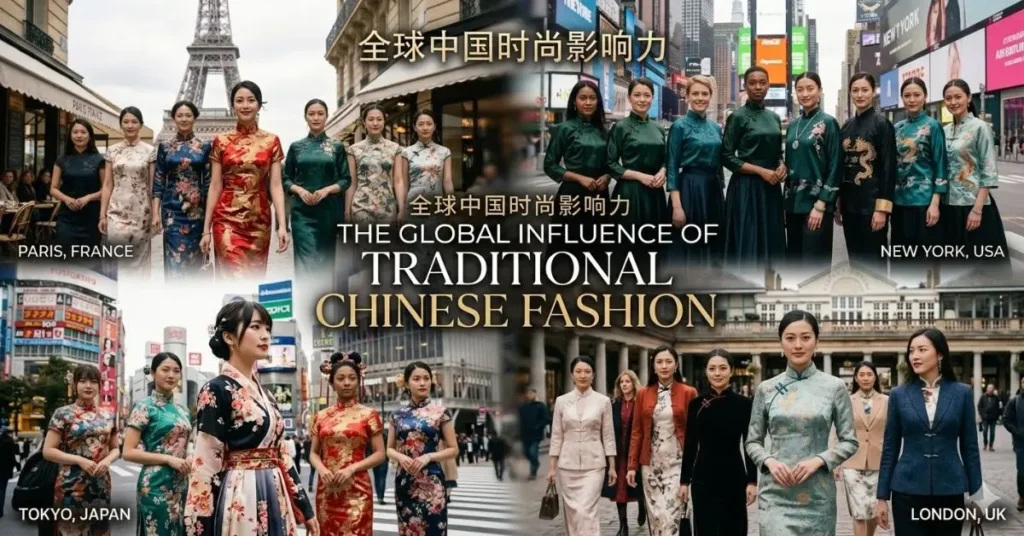
Traditional Chinese dresses have inspired many international designers and luxury fashion brands. Elements such as mandarin collars, silk embroidery, and flowing silhouettes frequently appear in modern collections.
Celebrities and influencers also help popularize Chinese cultural attire through social media, fashion campaigns, and red-carpet events. This growing appreciation highlights the timeless beauty and artistic value of traditional Chinese fashion.
Conclusion
Traditional Chinese dresses represent a perfect blend of history, culture, and timeless elegance. From graceful Hanfu robes to sophisticated Qipao styles, these garments continue to inspire fashion lovers worldwide. Their luxurious fabrics, artistic embroidery, and symbolic designs make them ideal for weddings, festivals, and modern fashion events. As global interest in cultural fashion continues to grow, traditional Chinese attire remains a powerful symbol of beauty and heritage.
FAQs
What are traditional Chinese dresses called?
Traditional Chinese dresses include Hanfu, Qipao, Cheongsam, and Tang Suit styles.
What is the difference between Qipao and Cheongsam?
Both terms are often used interchangeably, but Cheongsam is the Cantonese name for Qipao.
Why are traditional Chinese dresses popular?
They are admired for their elegance, cultural significance, and timeless fashion appeal.
What fabrics are commonly used?
Silk, satin, brocade, velvet, and chiffon are popular materials used in traditional Chinese fashion.
Can traditional Chinese attire be worn casually?
Yes, modern designs allow these elegant garments to be styled for casual and formal occasions.
Zahida Amir is the founder and creative force behind Style Aura Dresses, a multicultural fashion blog celebrating South Asian, Western, and bridal dress styles. With a deep passion for fashion trends and timeless elegance, Zahida Amir curates content that helps readers discover the perfect look for every occasion.
Through Style Aura Dresses, Zahida Amir shares style guides, dress inspiration, and expert fashion tips, blending traditional and contemporary influences to inspire women worldwide.