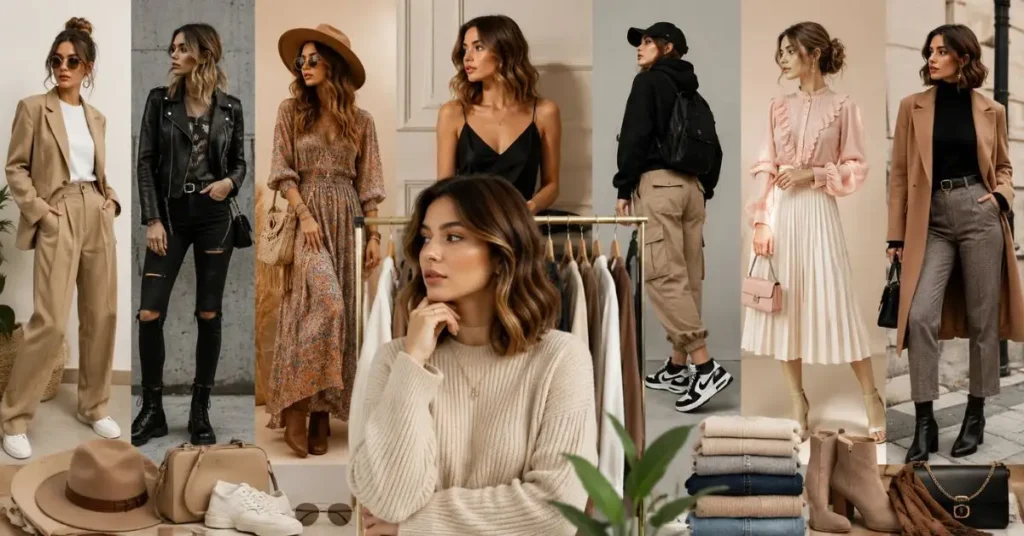
Fashion is more than just clothing. It is a powerful form of self expression that reflects personality, lifestyle, preferences, and confidence. Understanding different fashion styles can help you build a wardrobe that feels authentic and makes dressing easier every day.From classic and minimalist looks to bold streetwear and bohemian outfits, there are countless ways to express yourself through fashion. The right style can improve confidence, create a strong first impression, and help you feel comfortable in any situation.This guide explores different fashion styles, their benefits, key features, practical applications, expert tips, and how to choose the best style for your needs.
Why Different Fashion Styles Matter
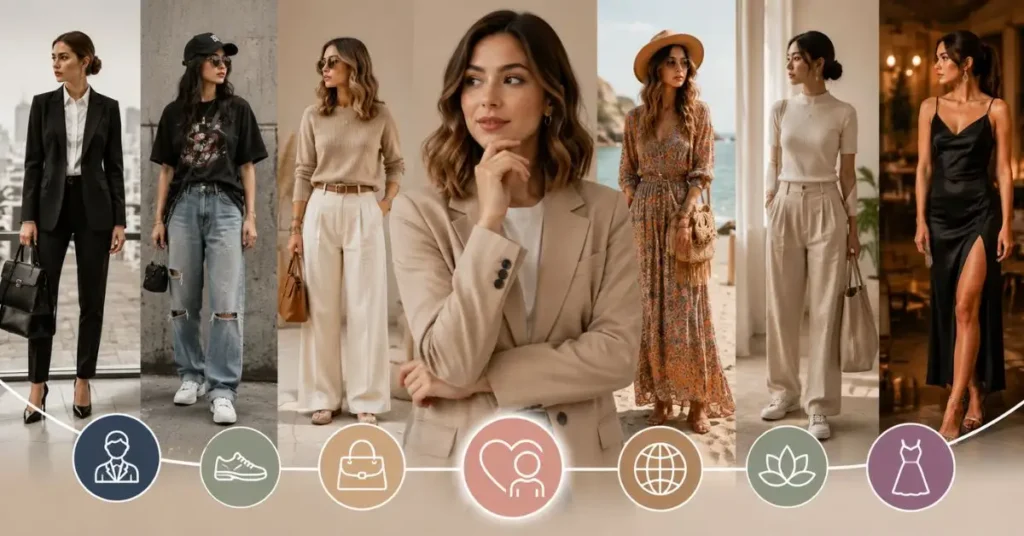
Fashion styles matter because they help individuals communicate who they are without saying a word. Clothing choices often reflect personality traits, professional goals, cultural influences, and personal preferences.
Understanding different fashion styles allows people to:
- Develop a consistent personal image.
- Shop more efficiently.
- Avoid unnecessary purchases.
- Create versatile wardrobes.
- Feel more confident in daily life.
A clear fashion identity also reduces decision fatigue. Instead of following every trend, you can focus on pieces that genuinely fit your aesthetic and lifestyle.
Key Benefits of Different Fashion Styles

Improved Self Expression
Fashion allows individuals to showcase their creativity and personality. Whether someone prefers elegant classic outfits or edgy streetwear, style communicates individuality.
Increased Confidence
Wearing clothes that align with your personal taste often leads to greater confidence. When you feel good about your appearance, it positively impacts social and professional interactions.
Better Wardrobe Organization
Knowing your preferred style helps eliminate clutter and unnecessary purchases. Every item in your wardrobe serves a purpose.
Easier Shopping Decisions
When you understand your style preferences, shopping becomes more focused. You can quickly identify pieces that fit your wardrobe and avoid impulse buying.
Stronger Personal Branding
Personal style contributes to how others perceive you. A consistent fashion identity can enhance both personal and professional branding.
Features to Look For
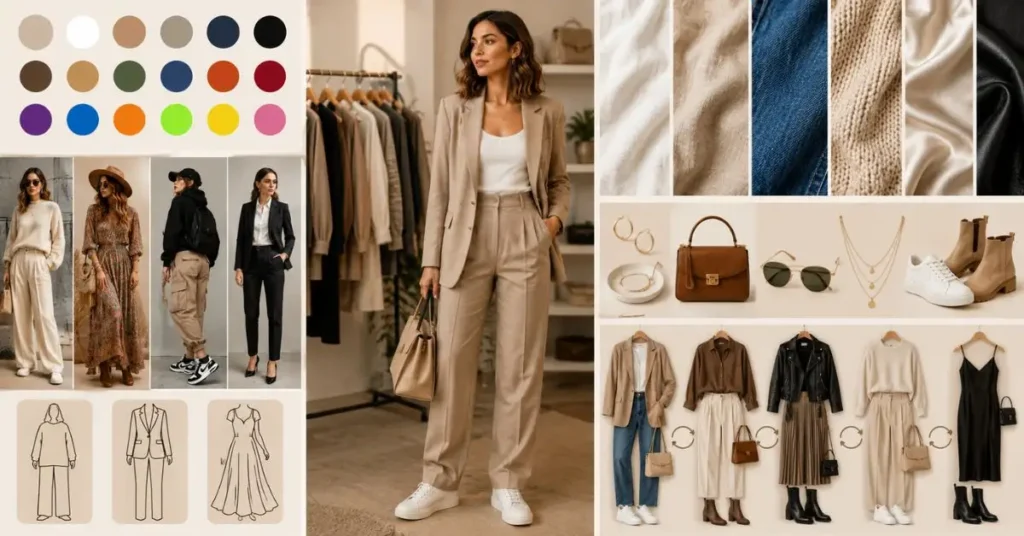
When exploring different fashion styles, pay attention to these important characteristics.
Color Palette
Every fashion style tends to favor specific colors.
- Minimalist style: Neutral tones.
- Bohemian style: Earthy shades.
- Streetwear: Bold and vibrant colors.
- Classic style: Timeless colors such as navy, black, white, and beige.
Silhouette
The shape of clothing plays a major role in defining a style.
- Oversized fits are common in streetwear.
- Structured tailoring is typical in classic fashion.
- Relaxed silhouettes dominate bohemian fashion.
Fabric Selection
Fabric choice influences both comfort and appearance.
Popular options include:
- Cotton
- Linen
- Denim
- Wool
- Silk
- Leather
Accessories
Accessories often complete a fashion style.
Examples include:
- Minimalist jewelry
- Statement handbags
- Vintage sunglasses
- Layered necklaces
- Sneakers or boots
Versatility
The best fashion styles allow mixing and matching pieces across multiple occasions while maintaining a cohesive look.
Best Uses and Applications
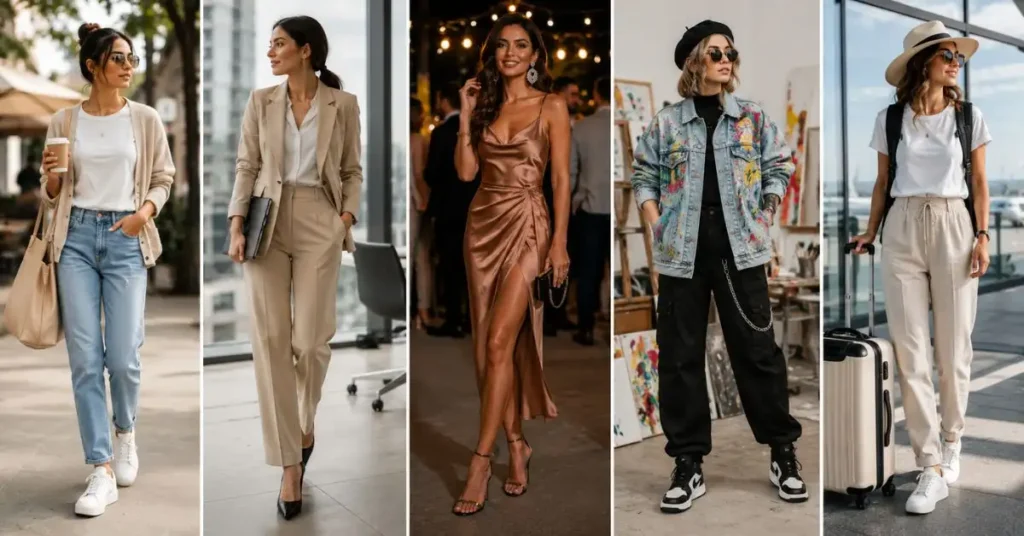
Different fashion styles serve various purposes depending on lifestyle and personal goals.
Casual Everyday Wear
Minimalist and casual styles are ideal for daily activities because they prioritize comfort and versatility.
Professional Environments
These styles create polished and trustworthy appearances.
Social Events
Glamorous, chic, and contemporary styles are popular for parties, dinners, and special occasions.
Creative Industries
Artistic, eclectic, and streetwear-inspired styles allow greater personal expression in creative professions.
Travel
Comfort-focused styles with versatile pieces help travelers pack efficiently while remaining stylish.
Popular Different Fashion Styles
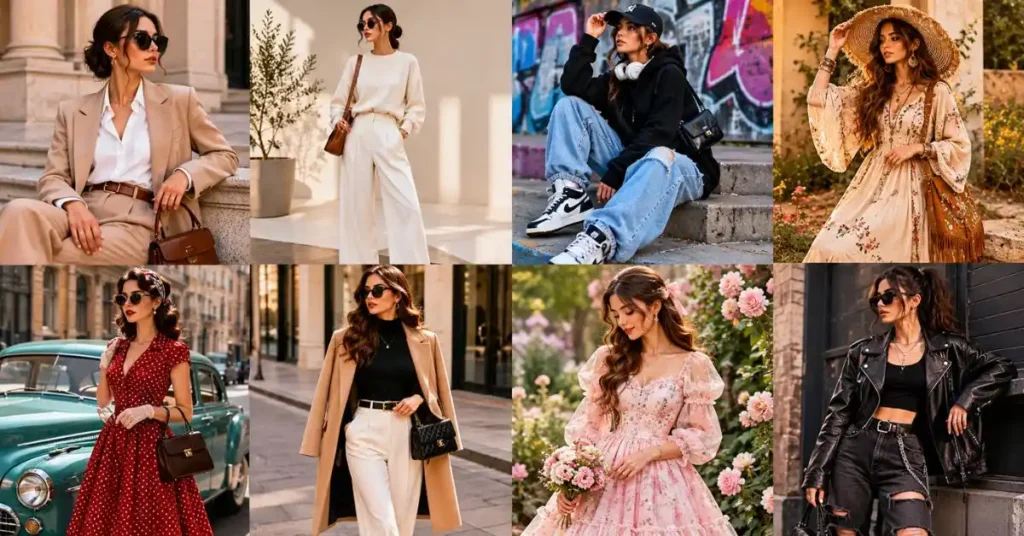
Classic Style
Classic fashion focuses on timeless elegance. Key pieces include blazers, tailored trousers, white shirts, and simple dresses.
Minimalist Style
Minimalist fashion embraces simplicity through clean lines, neutral colors, and high-quality essentials.
Streetwear Style
Streetwear combines comfort and urban culture. Hoodies, oversized shirts, sneakers, and graphic designs are common elements.
Bohemian Style
Bohemian fashion features flowing fabrics, natural colors, embroidery, and relaxed silhouettes inspired by artistic lifestyles.
Vintage Style
Vintage fashion incorporates clothing inspired by previous decades, often featuring unique patterns and retro silhouettes.
Chic Style
Chic fashion emphasizes sophistication and modern elegance with carefully selected statement pieces.
Romantic Style
This style includes soft fabrics, floral patterns, lace details, and feminine silhouettes.
Edgy Style
Edgy fashion often features leather jackets, dark colors, distressed fabrics, and bold accessories.
Expert Tips
Start With Inspiration
Create a mood board using fashion magazines, social media platforms, or saved outfit photos to identify recurring themes.
Understand Your Lifestyle
Choose a fashion style that fits your daily activities. A style that looks great but doesn’t suit your routine will be difficult to maintain.
Focus on Quality
Invest in durable wardrobe essentials before purchasing trend-based items.
Experiment Gradually
You don’t need to change your entire wardrobe overnight. Introduce new pieces slowly to determine what works best.
Know Your Body Shape
Understanding fit and proportions helps create balanced outfits regardless of the fashion style you choose.
Build a Signature Look
A signature element, such as a favorite accessory, color palette, or silhouette, can make your style more recognizable.
Maintenance and Care Guide
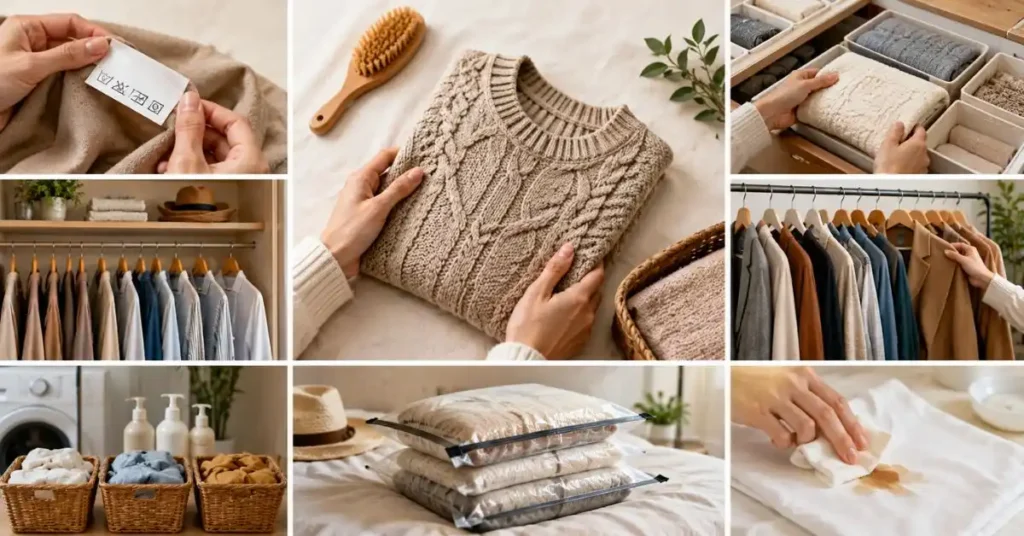
Proper garment care helps maintain the appearance and longevity of your wardrobe.
Read Care Labels
Always follow manufacturer instructions regarding washing, drying, and ironing.
Store Clothing Properly
Use quality hangers for structured garments and fold knitwear to prevent stretching.
Wash With Care
Separate clothes by color and fabric type before washing. Use appropriate water temperatures to avoid damage.
Rotate Frequently Worn Pieces
Rotating clothing reduces wear and extends garment lifespan.
Protect Seasonal Items
Store off-season clothing in breathable garment bags or storage containers.
Handle Stains Quickly
Treat stains immediately to prevent permanent fabric damage.
Common Mistakes to Avoid
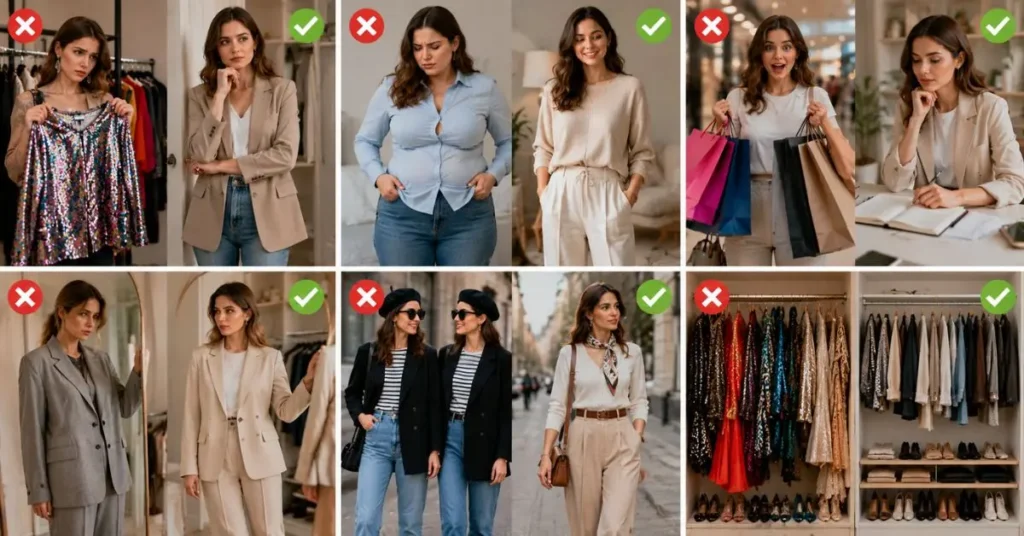
Following Every Trend
Not every trend suits every individual. Focus on styles that align with your personality and lifestyle.
Ignoring Comfort
Fashion should never compromise comfort. Uncomfortable clothing often remains unused.
Buying Without a Plan
Impulse purchases frequently lead to cluttered wardrobes and wasted money.
Overlooking Fit
Even expensive clothing can look unflattering if the fit is incorrect.
Copying Others Completely
Inspiration is valuable, but personal style should reflect your own identity rather than imitate someone else.
Neglecting Wardrobe Balance
A wardrobe filled only with statement pieces often lacks practical everyday options.
Buying Guide / Selection Guide

Choosing from different fashion styles requires thoughtful consideration.
Identify Your Goals
Determine whether you need clothing primarily for work, casual wear, social events, or multiple purposes.
Assess Your Current Wardrobe
Review existing pieces and identify patterns in your preferences.
Establish a Budget
Set realistic spending limits and prioritize essential items first.
Evaluate Fabric Quality
Look for durable materials and strong construction that offer long-term value.
Consider Versatility
Choose pieces that can be styled in multiple ways to maximize wardrobe efficiency.
Research Brands
Compare reviews, sizing information, and quality standards before purchasing.
Test Before Committing
If trying a new fashion style, start with a few pieces rather than a complete wardrobe overhaul.
Conclusion
Different fashion styles offer endless opportunities for self-expression, creativity, and confidence. Whether you prefer classic sophistication, minimalist simplicity, relaxed bohemian looks, or bold streetwear, understanding your style preferences helps create a wardrobe that truly reflects who you are.
The key to successful fashion is not following every trend but finding a style that aligns with your lifestyle, personality, and goals. By focusing on fit, quality, versatility, and personal comfort, you can build a wardrobe that looks great and functions effectively for years to come. Fashion should feel authentic, practical, and enjoyable, allowing you to present your best self every day.
FAQs
1. What are the most popular different fashion styles?
The most popular styles include classic, minimalist, streetwear, bohemian, vintage, chic, romantic, and edgy fashion.
2. How can I find my personal fashion style?
Analyze your wardrobe, gather outfit inspiration, consider your lifestyle, and identify recurring colors, fits, and design preferences.
3. Can I combine multiple fashion styles?
Yes. Many people create unique looks by blending elements from different fashion styles while maintaining a cohesive appearance.
4. Which fashion style is best for beginners?
Minimalist and classic styles are excellent starting points because they focus on versatile and timeless wardrobe essentials.
5. How often should I update my wardrobe?
Review your wardrobe seasonally and replace worn-out items while adding carefully selected pieces that align with your personal style.
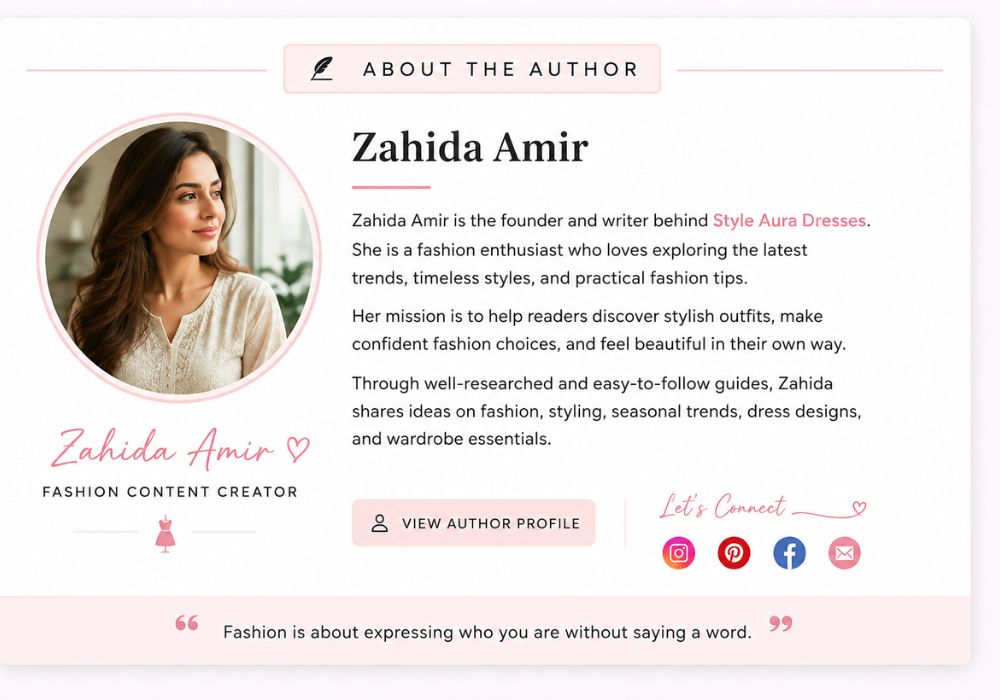
Zahida Amir is the founder and creative force behind Style Aura Dresses, a multicultural fashion blog celebrating South Asian, Western, and bridal dress styles. With a deep passion for fashion trends and timeless elegance, Zahida Amir curates content that helps readers discover the perfect look for every occasion.
Through Style Aura Dresses, Zahida Amir shares style guides, dress inspiration, and expert fashion tips, blending traditional and contemporary influences to inspire women worldwide.