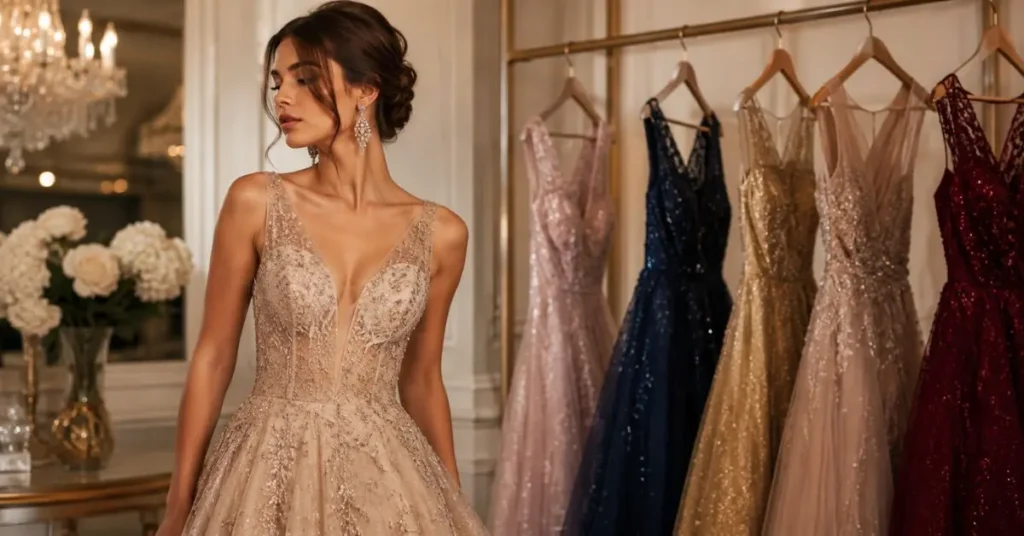
Designer Dresses have long been associated with sophistication, luxury, and exceptional craftsmanship. Whether worn at weddings, gala events, formal dinners, or special celebrations, these fashion creations offer a unique blend of elegance and individuality. Unlike mass-produced clothing, designer fashion focuses on premium materials, expert tailoring, and distinctive styles that help wearers express their personality with confidence.This guide explores everything you need to know about Designer Dresses, including their history, benefits, popular styles, fabric choices, and the latest trends for 2026.
What Are Designer Dresses?
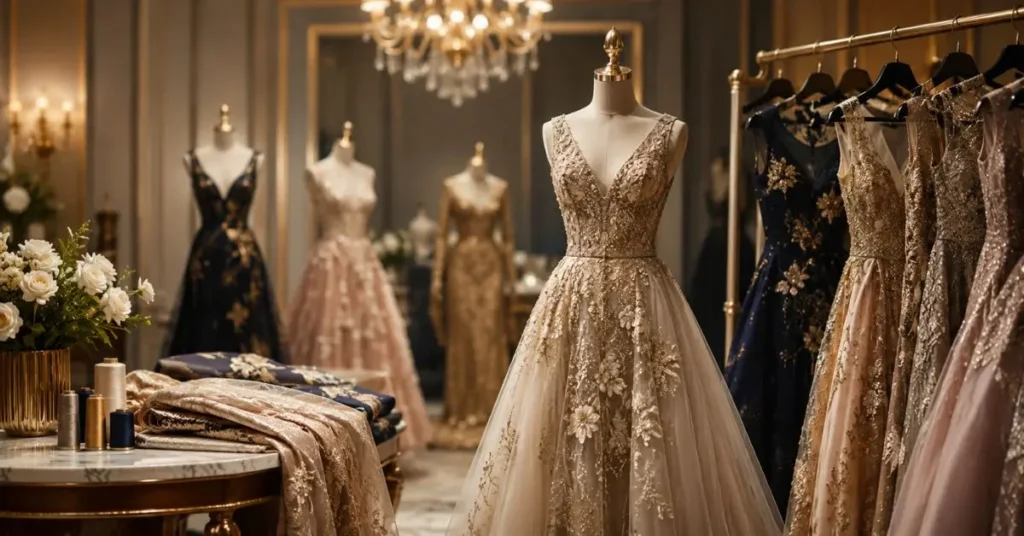
Designer Dresses are high-quality fashion garments created by professional fashion designers or luxury fashion houses. These pieces are known for their superior craftsmanship, attention to detail, and exclusive designs.
Unlike standard retail clothing, designer creations often feature:
- Premium-quality fabrics
- Expert tailoring and construction
- Unique design elements
- Limited production quantities
- Exceptional fit and comfort
Many luxury fashion brands invest significant time and expertise into creating collections that reflect creativity, innovation, and timeless style.
History and Evolution of Designer Fashion
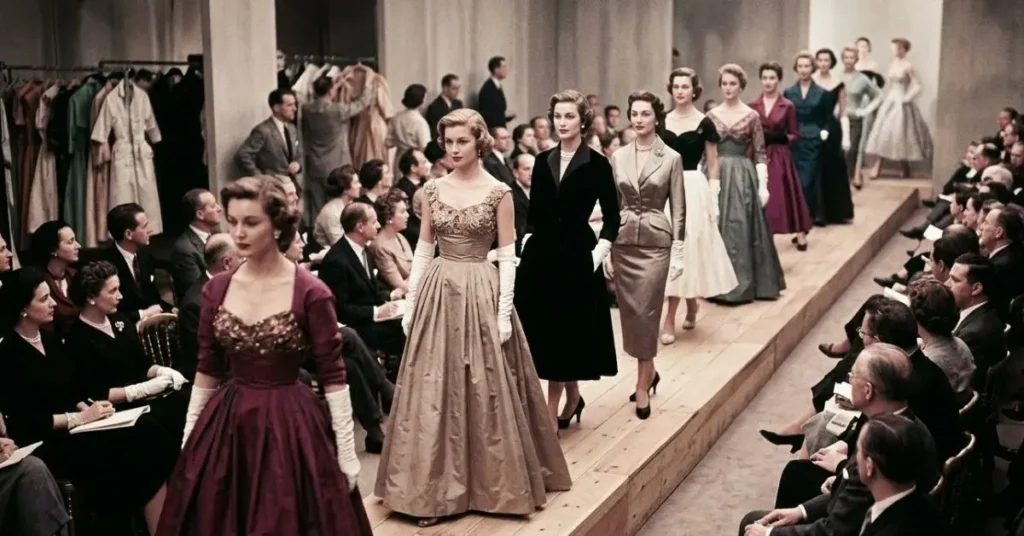
The concept of designer fashion dates back to the nineteenth century when renowned designers began creating exclusive garments for wealthy clients. Over time, fashion evolved from custom-made couture to ready-to-wear luxury collections.
During the twentieth century, fashion houses introduced innovative silhouettes, elegant evening attire, and sophisticated formal wear that became symbols of status and refinement. As fashion expanded globally, designer collections became influential in shaping seasonal trends and inspiring mainstream apparel.
Today, luxury fashion combines traditional craftsmanship with modern technology, resulting in stunning creations that appeal to a wide range of consumers.
Why Designer Dresses Are Worth the Investment
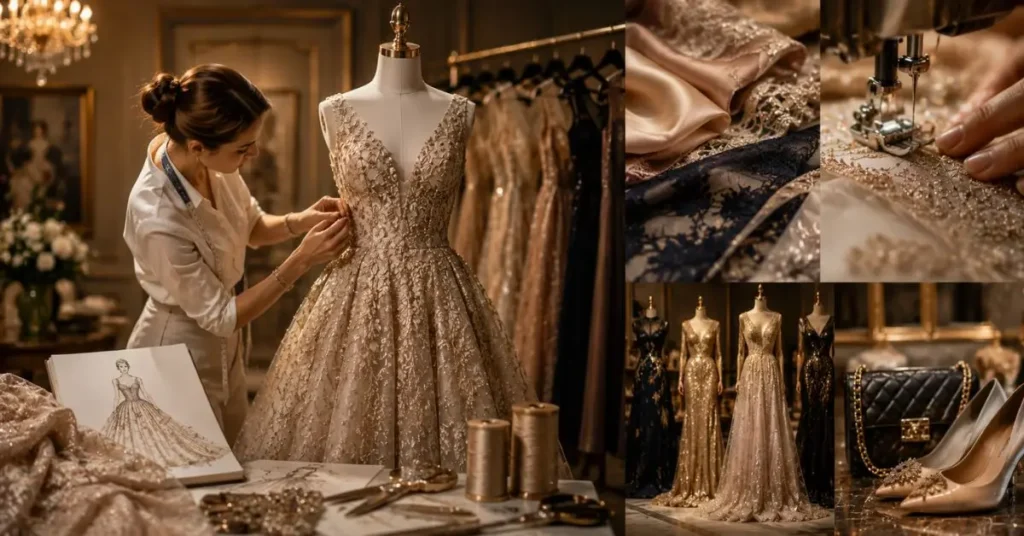
Many fashion enthusiasts view designer garments as valuable investments rather than simple purchases. Several factors contribute to their enduring appeal.
Superior Craftsmanship
One of the biggest advantages of designer fashion is exceptional craftsmanship. Skilled artisans carefully construct each piece, ensuring high standards of quality and durability.
Premium Fabrics
Luxury collections often feature superior materials such as silk, satin, chiffon, velvet, and lace. These fabrics not only look elegant but also provide greater comfort and longevity.
Unique Designs
Designer creations offer distinctive styles that help individuals stand out. Exclusive details, innovative cuts, and artistic elements contribute to a more refined appearance.
Long Term Value
Well-maintained luxury garments can retain their beauty for years. Some iconic pieces even become collectible items that increase in value over time.
Popular Types of Designer Dresses
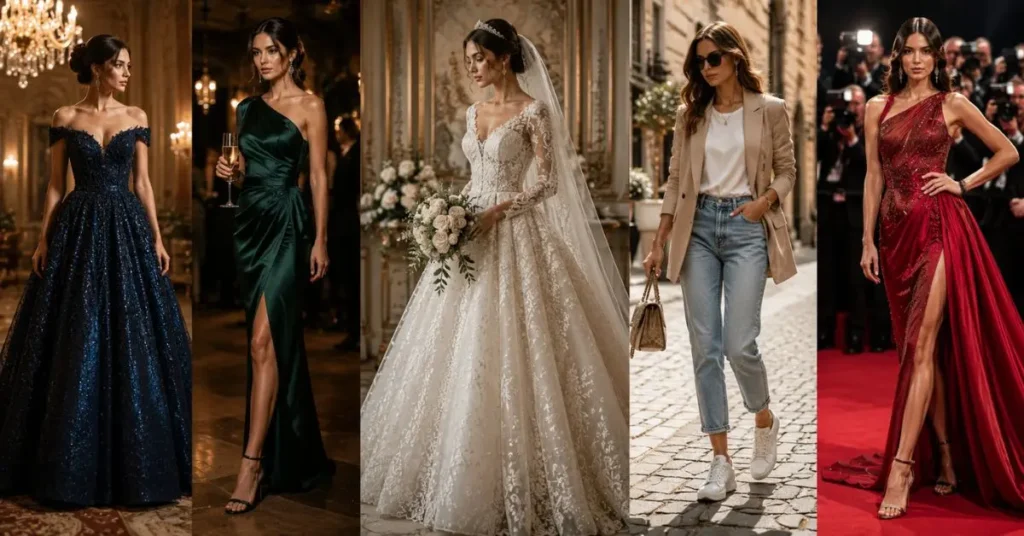
Designer fashion includes a wide variety of styles suitable for different occasions and preferences.
Evening Gowns
Evening gowns are among the most glamorous options in luxury fashion. These elegant creations are commonly worn to galas, award ceremonies, and black-tie events.
Cocktail Attire
Cocktail outfits offer a balance between sophistication and versatility. They are ideal for semi-formal gatherings, parties, and evening celebrations.
Wedding Fashion
Bridal couture remains one of the most prestigious segments of designer fashion. Wedding collections often feature intricate embroidery, luxurious fabrics, and handcrafted details.
Casual Designer Wear
Not all luxury garments are reserved for formal occasions. Many designers create stylish everyday pieces that combine comfort with elegance.
Red Carpet Inspired Looks
Red carpet fashion showcases some of the most creative and dramatic designs in the industry. These statement-making creations often influence future trends.
How to Choose the Right Designer Dress for Your Body Shape
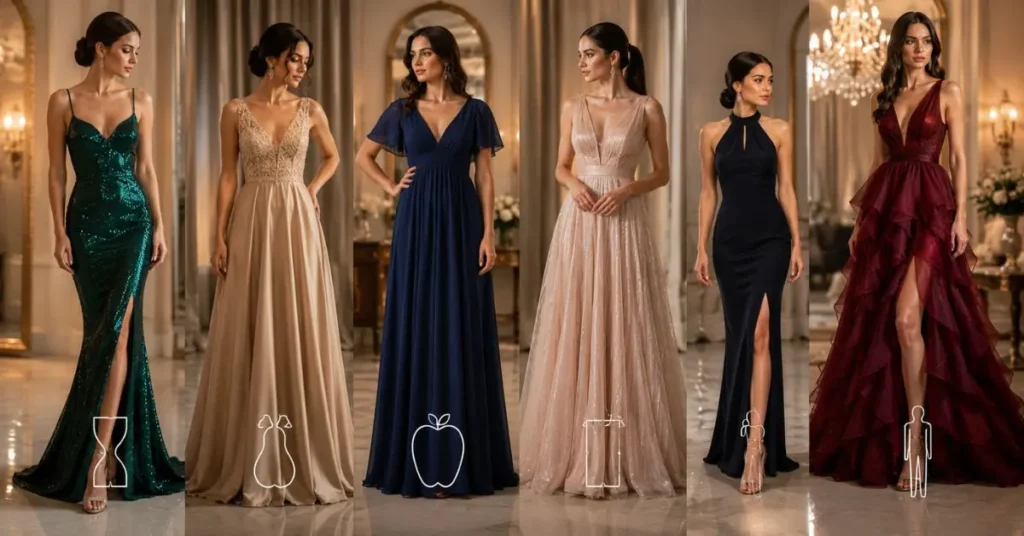
Selecting the perfect garment becomes easier when you understand your body shape.
Hourglass Shape
Individuals with balanced proportions often look stunning in fitted silhouettes that highlight the waist.
Pear Shape
A-line styles and embellished necklines can help create visual balance while emphasizing the upper body.
Apple Shape
Empire waist designs and flowing silhouettes provide comfort while creating a flattering appearance.
Rectangle Shape
Structured garments with defined waistlines can add dimension and create a more curved silhouette.
Petite Frame
Shorter individuals often benefit from streamlined designs that create the illusion of height.
Tall Figure
Tall wearers can confidently experiment with dramatic cuts, layered details, and bold fashion statements.
Best Fabrics Used in Designer Collections
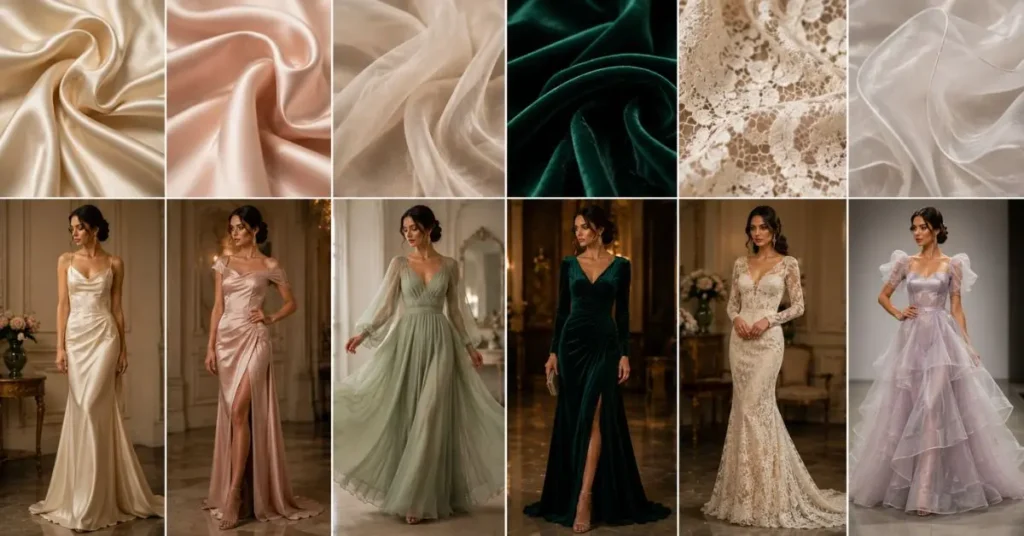
Fabric selection plays a crucial role in the appearance and comfort of luxury garments.
Silk
Silk remains one of the most sought-after materials in high-end fashion due to its smooth texture and elegant shine.
Satin
Satin offers a luxurious finish that makes it popular for evening attire and special occasions.
Chiffon
This lightweight fabric creates graceful movement and works beautifully for flowing silhouettes.
Velvet
Velvet provides richness and sophistication, making it a favorite choice during cooler seasons.
Lace
Lace adds romantic charm and intricate detail to both formal and bridal fashion.
Organza
Organza is valued for its lightweight structure and ability to create dramatic volume without excessive weight.
Designer Dress Trends in 2026
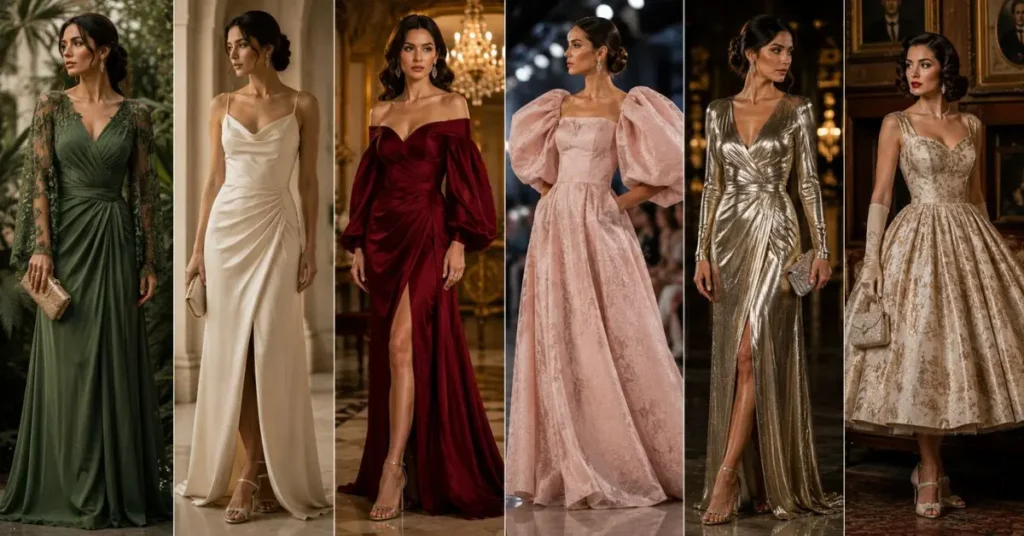
Fashion trends continue to evolve, and 2026 introduces exciting developments in luxury apparel.
Sustainable Luxury
Eco-conscious fashion is becoming increasingly important. Many designers now prioritize sustainable fabrics and ethical production practices.
Minimalist Elegance
Clean lines, simple silhouettes, and understated sophistication are gaining popularity among modern consumers.
Bold Colors
Rich jewel tones, vibrant reds, emerald greens, and deep blues are making strong appearances in contemporary collections.
Statement Sleeves
Dramatic sleeves continue to dominate fashion runways, adding personality and flair to elegant ensembles.
Metallic Finishes
Metallic accents and shimmering fabrics provide a glamorous touch suitable for evening events.
Vintage-Inspired Designs
Classic fashion elements from previous decades are returning with modern updates and fresh interpretations.
Styling Tips for Designer Dresses
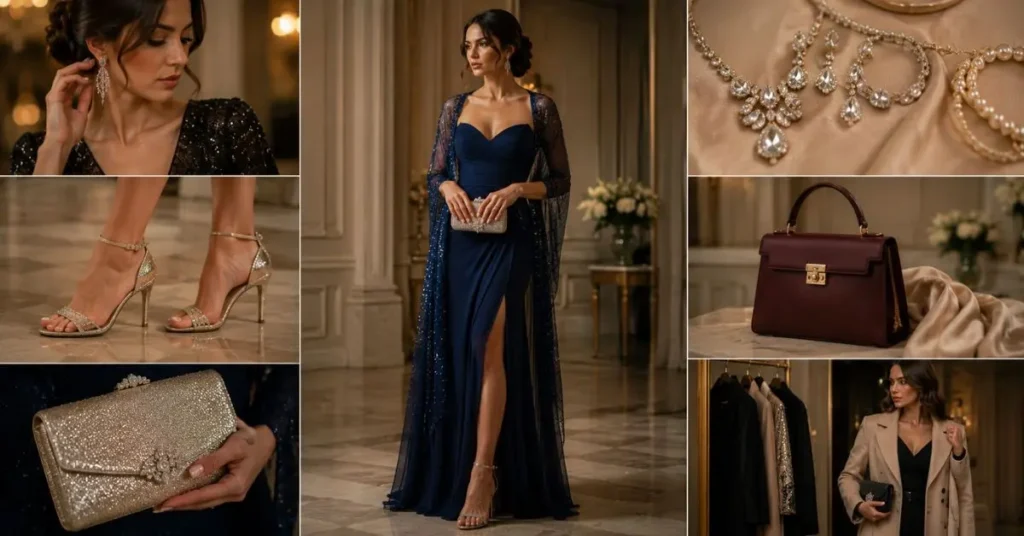
The right styling choices can elevate any luxury outfit.
Accessories
Select accessories that complement rather than overpower the garment. Simplicity often enhances elegance.
Footwear
Choose shoes appropriate for the occasion. Classic heels, elegant sandals, and refined pumps remain timeless options.
Handbags
A sophisticated clutch or structured handbag can complete a polished look.
Jewelry
Balance is key when selecting jewelry. Statement pieces work best with minimalist attire, while delicate accessories pair beautifully with elaborate designs.
Outerwear
Tailored coats, elegant shawls, and structured blazers can add sophistication while providing practicality.
Caring for Luxury Designer Garments
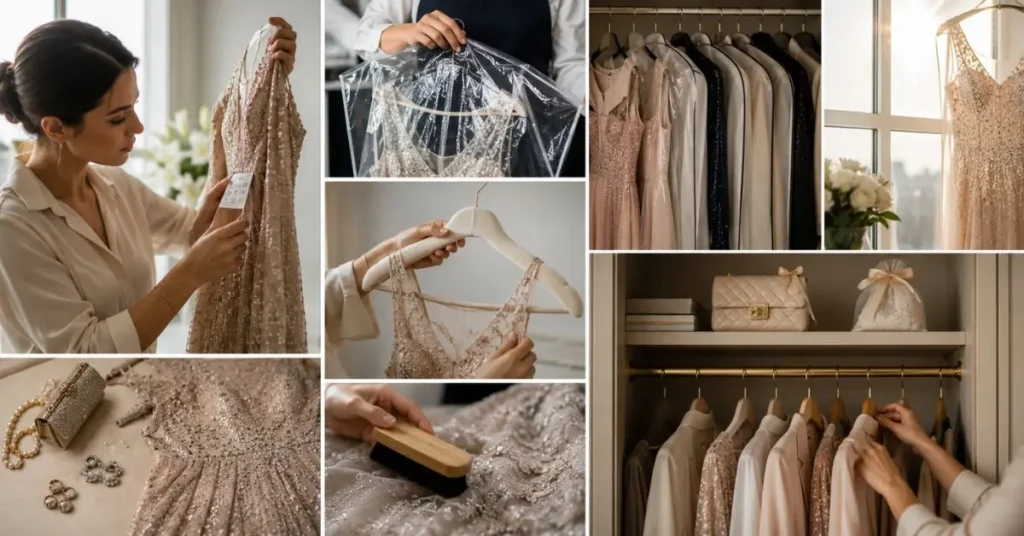
Proper care helps maintain the beauty and longevity of premium fashion pieces.
- Follow care labels carefully.
- Use professional dry-cleaning services when recommended.
- Store garments in breathable garment bags.
- Avoid prolonged exposure to direct sunlight.
- Use padded hangers to maintain shape.
- Keep delicate fabrics away from sharp accessories.
Regular maintenance can significantly extend the lifespan of luxury apparel.
Common Mistakes to Avoid When Buying Designer Dresses
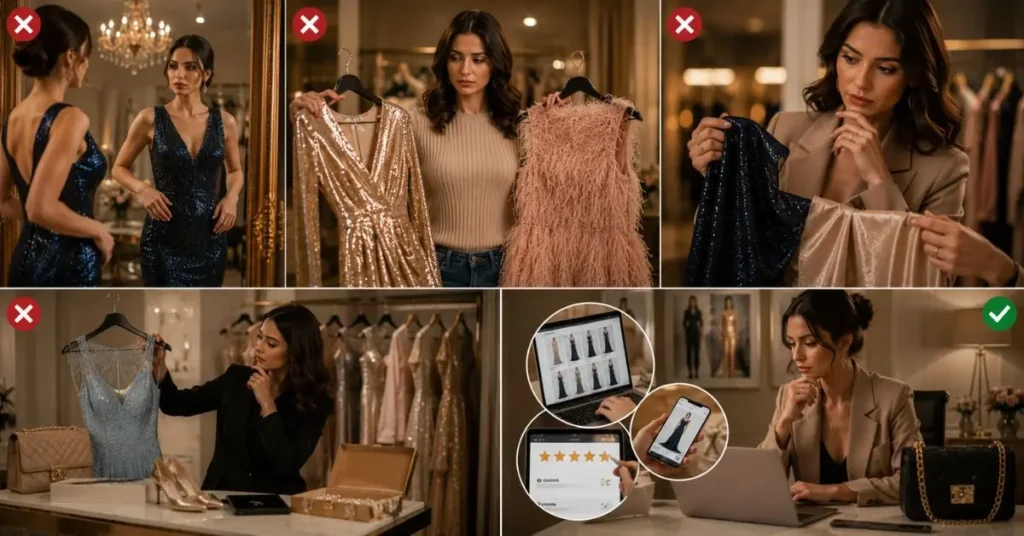
Many shoppers make avoidable mistakes when investing in luxury fashion.
Ignoring Fit
Even the most beautiful garment may not look its best if the fit is incorrect. Always prioritize proper sizing and tailoring.
Following Trends Blindly
Choose styles that suit your personality and body shape rather than purchasing solely based on current trends.
Overlooking Fabric Quality
High-quality materials contribute significantly to comfort, durability, and overall appearance.
Not Considering Versatility
Select pieces that can be styled for multiple occasions to maximize value.
Buying Without Research
Before making a purchase, compare options, read reviews, and learn about the brand’s reputation.
Conclusion
Designer Dresses continue to represent the perfect combination of luxury, craftsmanship, and timeless style. From elegant evening gowns to sophisticated cocktail attire, these premium fashion creations offer unmatched quality and individuality. By understanding different styles, fabrics, and trends, you can confidently choose garments that enhance your appearance and reflect your personal taste. Whether you are attending a formal event or building a refined wardrobe, Designer Dresses remain a worthwhile investment that delivers lasting elegance and confidence.
FAQs
What are designer dresses?
Designer Dresses are premium fashion garments created by professional designers using high-quality materials, expert craftsmanship, and unique design concepts.
Why are designer dresses expensive?
They often cost more because of superior fabrics, skilled construction, exclusive designs, and limited production.
Are designer dresses worth buying?
Yes. Many consumers consider them worthwhile investments due to their quality, durability, comfort, and timeless appeal.
How can I identify an authentic designer dress?
Check for quality stitching, branded labels, authenticity certificates, premium fabrics, and purchase from reputable retailers.
What fabrics are commonly used in designer dresses?
Popular materials include silk, satin, chiffon, velvet, lace, organza, and other luxurious fabrics known for their elegance and comfort.
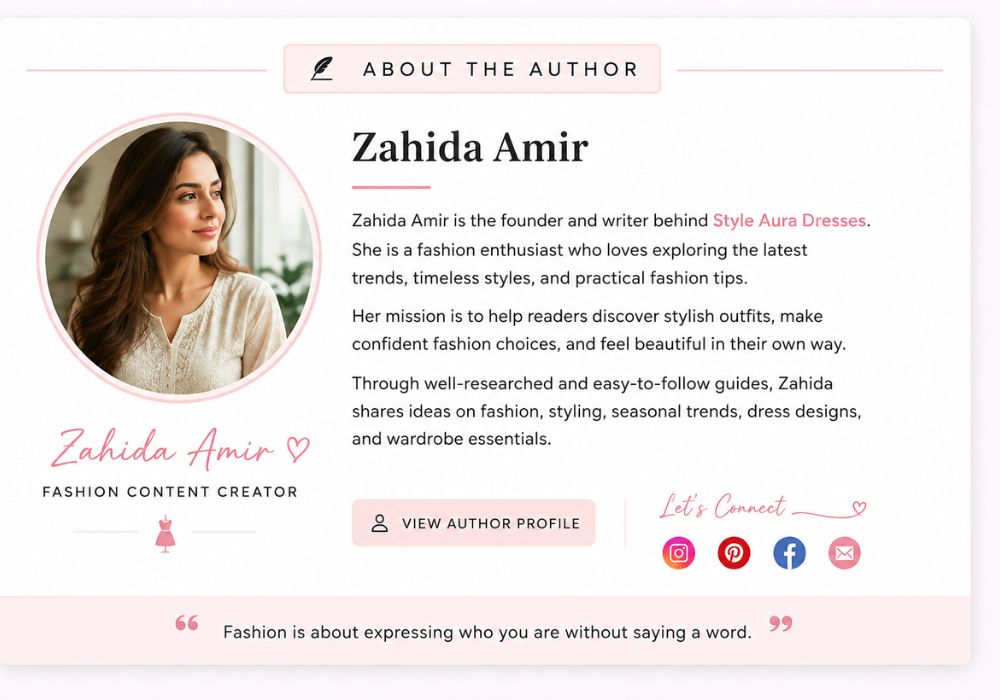
Zahida Amir is the founder and creative force behind Style Aura Dresses, a multicultural fashion blog celebrating South Asian, Western, and bridal dress styles. With a deep passion for fashion trends and timeless elegance, Zahida Amir curates content that helps readers discover the perfect look for every occasion.
Through Style Aura Dresses, Zahida Amir shares style guides, dress inspiration, and expert fashion tips, blending traditional and contemporary influences to inspire women worldwide.