
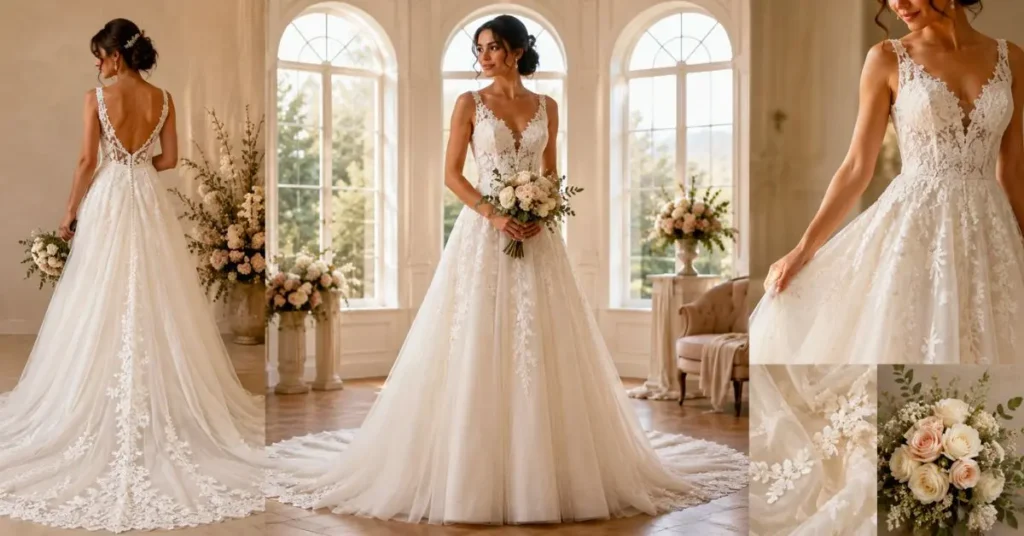
A line wedding dresses remain one of the most popular bridal styles because they flatter almost every body type and suit everything from intimate garden ceremonies to grand ballroom weddings. If ball gowns feel too dramatic, mermaid dresses feel too fitted, and sheath gowns seem too simple, an A-line silhouette offers the perfect balance of elegance and comfort.
In this complete guide, you’ll learn what an A-line wedding dress is, who it flatters best, how it compares with other bridal silhouettes, which fabrics and necklines work best, styling tips for different wedding venues, and smart ways to shop for the perfect gown without exceeding your budget.
What Is an A-Line Wedding Dress?
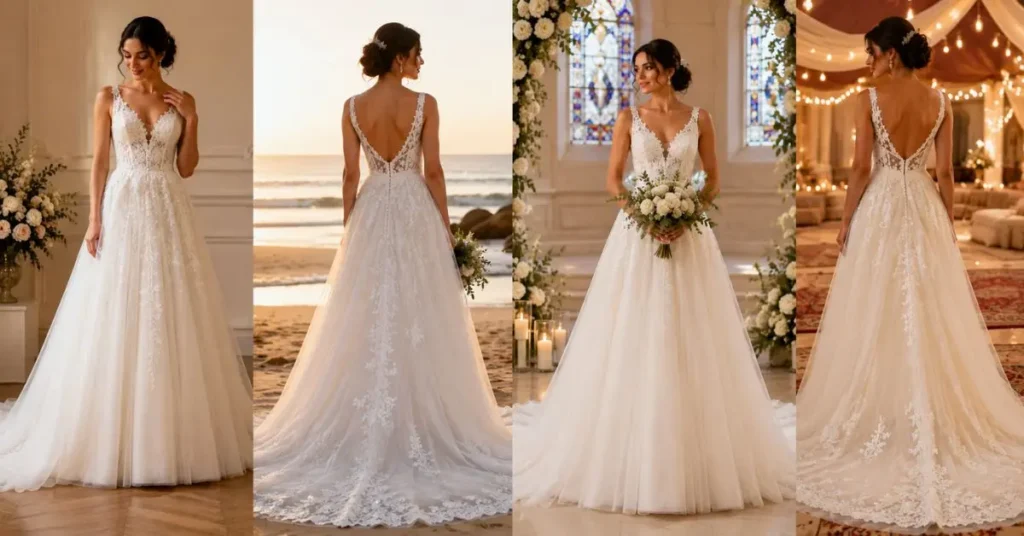
An A-line wedding gown is fitted through the bodice and gently flares from the waist (or sometimes the hip) down to the hem, forming a clean, symmetrical “A” shape. Unlike a ballgown, it skips the dramatic volume and stiff structure. Unlike a mermaid or trumpet cut, it doesn’t hug the hips and thighs before flaring out lower down.
This in between quality is exactly why the princess-cut wedding dress has such staying power. It’s romantic without being overwhelming, structured without feeling restrictive, and versatile enough to work for a cathedral ceremony, a beach setup, or a Nikkah function. Designers love it because it photographs beautifully from every angle, and brides love it because it lets them move, dance, and breathe.
Best Body Types for the A-Line Silhouette
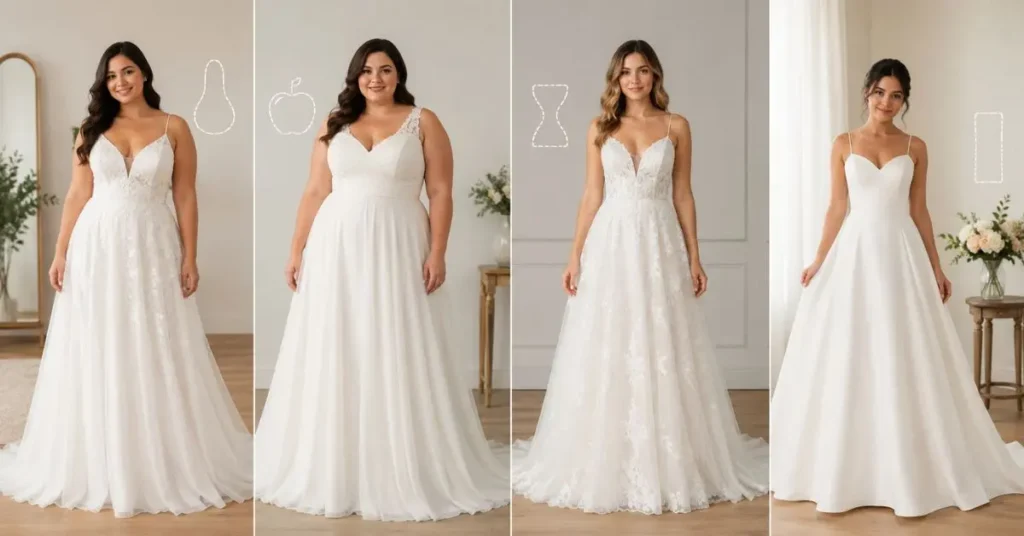
One of the biggest reasons brides gravitate toward this cut is its reputation as one of the most universally flattering options in a wedding-dress body-type guide. In fact, among all bridal silhouettes, a line wedding dresses are consistently recommended by stylists for their ability to work across different shapes. Here’s how it tends to work across different shapes:
Pear-shaped bodies benefit because the flare balances wider hips while the fitted top keeps the waist defined. Apple-shaped bodies get gentle waist definition without anything digging in uncomfortably. Hourglass figures look stunning because the dress simply follows the body’s natural curve. Petite brides often find that an A-line silhouette dress elongates the frame better than a heavier ballgown would.
That said, “flattering for everyone” doesn’t mean “identical for everyone.” Waist placement, neckline, and fabric weight all change how the dress sits, which is why trying multiple variations before committing matters more than the label on the hanger.
A-Line vs Ballgown vs Mermaid: Which One Fits Your Wedding?
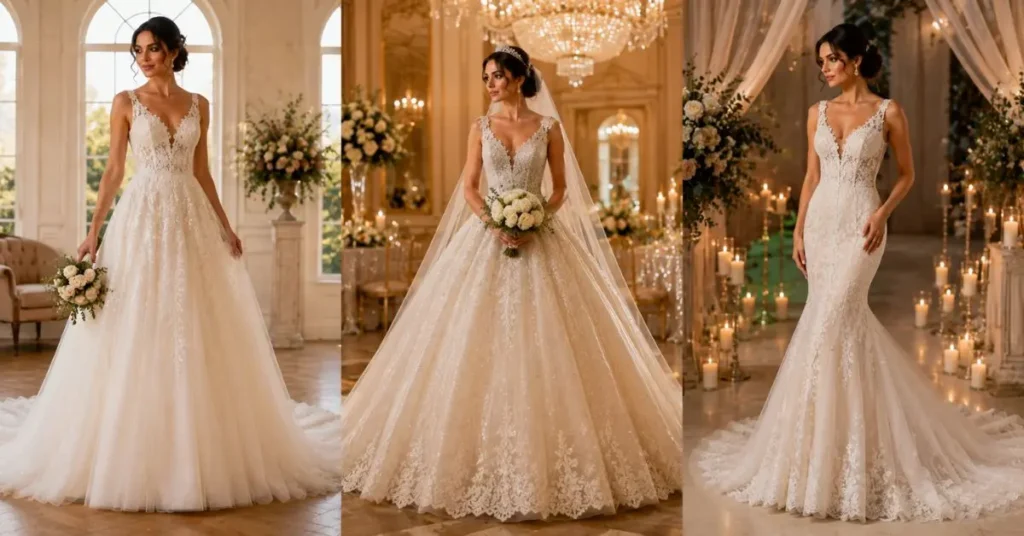
Choosing between silhouettes often comes down to comfort, formality, and how much drama you want walking down the aisle. When comparing a line wedding dress against other popular cuts, the differences become clear fast. Here’s a quick side-by-side comparison:
| Feature | A-Line | Ballgown | Mermaid |
|---|---|---|---|
| Silhouette | Fitted top, gentle flare | Fitted bodice, full skirt | Fitted through the hip, flares at the knee |
| Best For | Most body types | Formal, dramatic weddings | Hourglass, confident brides |
| Comfort Level | High — easy to walk and dance | Moderate — heavier fabric | Lower — restricted stride |
| Venue Suitability | Church, beach, garden, banquet | Ballroom, palace, grand halls | Indoor formal receptions |
| Photogenic Quality | Excellent from all angles | Excellent for wide shots | Excellent for close, fitted shots |
If you’re still torn between a ball gown and an A-line dress, think about your venue first. Outdoor and destination weddings usually favor the lighter, more mobile A-line, while grand indoor venues can carry the volume of a ballgown with ease.
Fabric and Neckline Options for A-Line Wedding Dresses
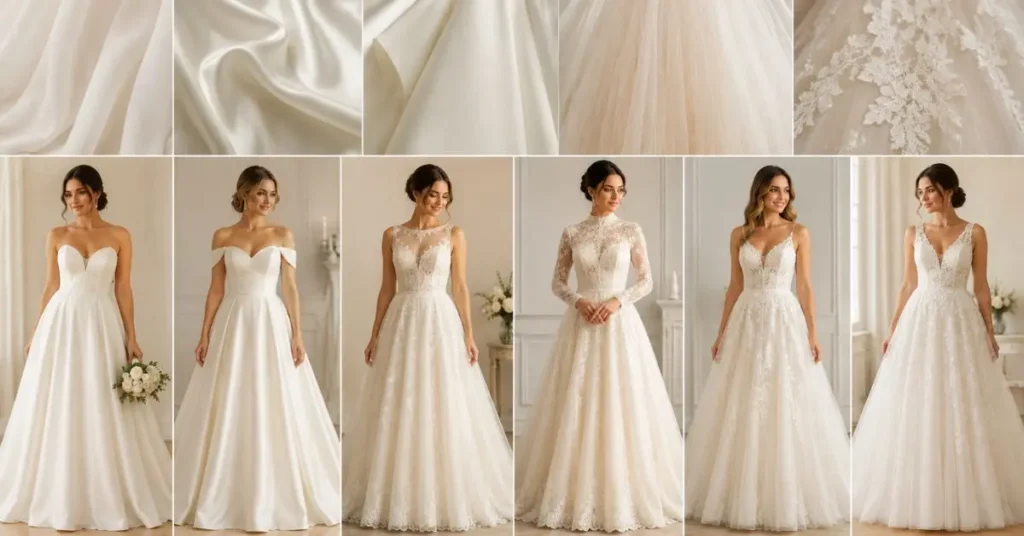
Fabric choice matters just as much as cut when it comes to a line wedding dresses, since it changes the entire personality of the dress, even within the same silhouette. Chiffon and georgette create a soft, flowing movement ideal for outdoor or destination ceremonies. Satin and mikado hold structure better and suit indoor, formal settings. Tulle overlays add romantic volume without the heaviness of a full ballgown, while lace appliqué brings texture and a vintage feel that pairs beautifully with minimal jewelry.
When it comes to bridal necklines, a line wedding dresses play well with almost anything. Sweetheart necklines add a classic romantic touch. Off-shoulder and illusion necklines feel modern and photograph exceptionally well. High necklines with lace detailing suit brides who prefer more coverage, which also makes this cut a popular choice for modest and South Asian bridal wear.
Styling an A-Line Wedding Dress by Occasion
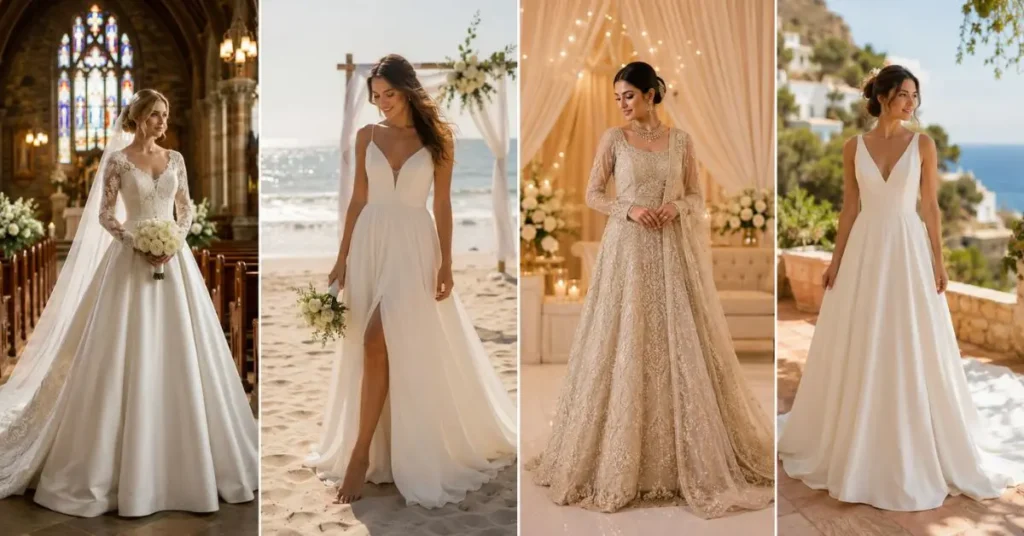
Not all A-line wedding dresses are styled the same way; the right look often depends on venue, climate, and cultural tradition. Below is how this silhouette adapts across different wedding settings.
Church Weddings
For traditional ceremonies, structured line wedding dresses in satin with a cathedral train and long sleeves or a classic sweetheart neckline suit the solemnity of the occasion beautifully.
Beach Weddings
Lightweight, flowy, a-line wedding dresses in chiffon with a low back and minimal train allow ease of movement on sand, while keeping the look breezy and relaxed.
South Asian and Nikkah Functions
For a Nikkah or South Asian reception, an A-line wedding gown reimagined with heavier embroidery, a dupatta drape, or a fitted long-sleeve bodice bridges Western silhouette with cultural tradition beautifully. Many brides also pair this cut with a matching lehenga-style underskirt for their reception look.
Destination Weddings
Crepe or soft tulle a line wedding dresses travel well, resist heavy wrinkling, and stay comfortable through long outdoor ceremonies in warmer climates.
How to Accessorize an A-Line Wedding Dress
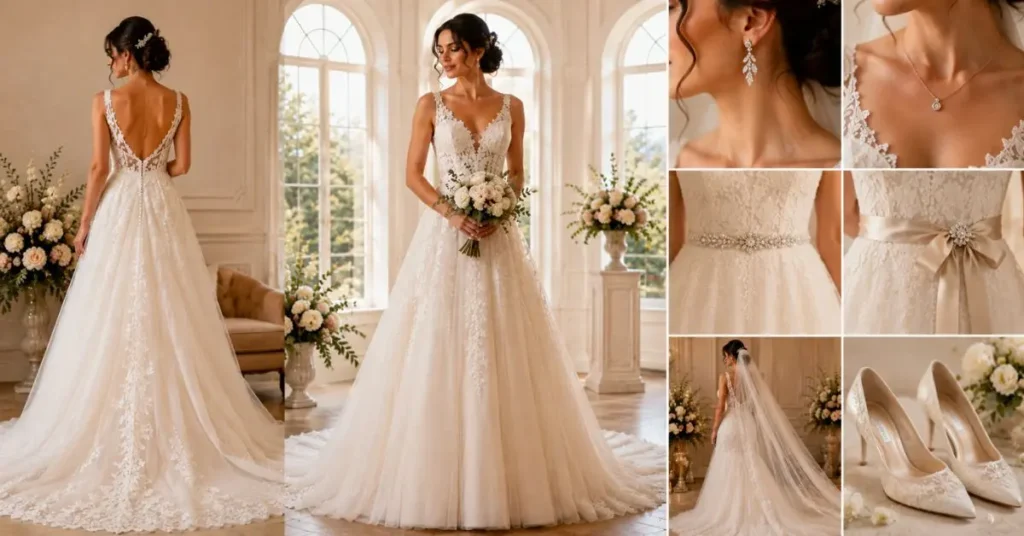
Because a line wedding dress is fairly balanced on its own, accessories should complement rather than compete. A fitted belt or sash at the natural waistline emphasizes the flare without adding bulk. Statement earrings work well with strapless or sweetheart necklines, while a delicate necklace suits off-shoulder cuts.
For veils, a chapel-length veil tends to elongate the A-line shape beautifully, while a shorter blusher veil keeps focus on the bodice detailing. Shoes rarely show under the hem, so comfort should outrank height most brides regret sacrificing comfort for a few extra inches by the third hour of dancing.
Budget Tips: Where to Shop for A-Line Wedding Dresses
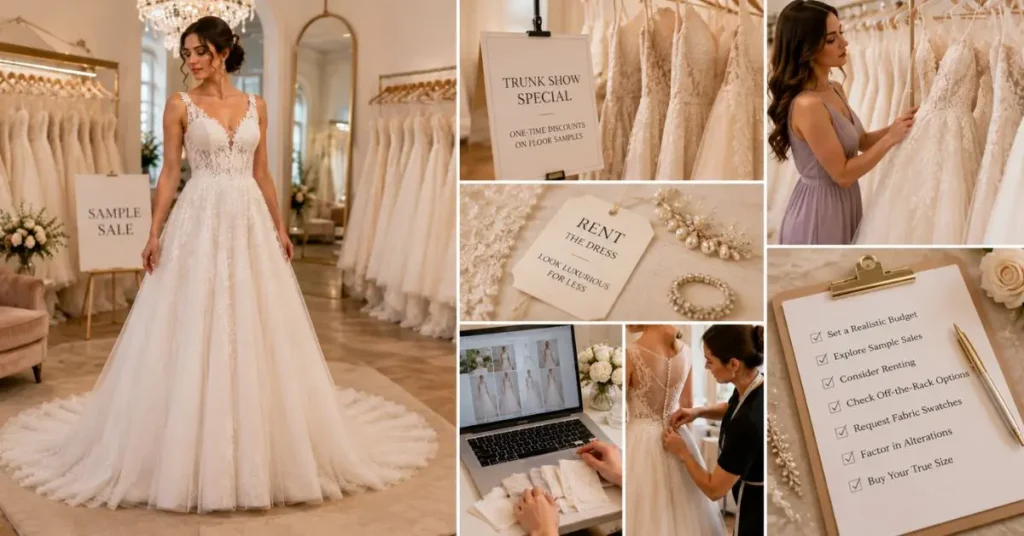
Designer a line wedding dresses can range widely in price depending on fabric and embellishment, but budget-conscious brides have plenty of room to work with. Sample sales at bridal boutiques often carry this silhouette in abundance since it’s a bestseller — stores tend to overstock it precisely because it sells so fast. Trunk shows are another underrated option, since they sometimes offer one-time discounts on floor samples that never make it back to the main rack.
Renting has also become increasingly popular for brides who want a designer look without the designer price tag. It works especially well if you’re drawn to heavily embellished a line wedding dresses you’d otherwise only wear once renting lets you get the full effect without the full investment.
Off-the-rack retailers have also stepped up their bridal lines in recent years, offering a line of wedding dresses that look far more expensive than their price suggests. Pair a simpler base gown with statement accessories, and most guests won’t be able to tell the difference between a boutique piece and a budget find.
If you’re shopping online, always request real fabric swatches before ordering, and factor in alteration costs; even a well-fitted sample dress usually needs some tailoring at the waist or hem. It also helps to buy a size closer to your natural measurements rather than sizing down “for motivation,” since taking a dress in is far easier and cheaper than letting one out.
Conclusion
At the end of the day, the best wedding dress is the one that makes you forget you’re wearing anything the moment you see your reflection. Among all bridal silhouettes, a line wedding dresses earn their popularity honestly: they flatter a wide range of bodies, adapt to nearly any venue or culture, and let you actually enjoy your wedding day instead of fighting your outfit all night.
Whether you’re planning a quiet church ceremony, a barefoot beach affair, or a Nikkah full of embroidery and color, this silhouette bends to fit the moment rather than forcing you into one mood. It’s forgiving on a first fitting and even more forgiving by the time you’re dancing at your reception, which is exactly what a wedding dress should be: a dress you wear, not one that wears you.
If you’re still comparing silhouettes, take your time. Try on more than one cut, move around in each one, sit down in each one, and notice which dress you stop thinking about because it simply feels right. That feeling, more than any trend or price tag, is what actually tells you you’ve found the dress.
FAQs
What body type suits a line wedding dresses best?
Nearly every body type works well with this silhouette, which is exactly why it remains one of the most popular options in any wedding dress body type guide, from pear and apple shapes to hourglass and petite frames.
What’s the difference between a line wedding dresses and a ballgown?
A ball gown has a much fuller, structured skirt starting at the waist, while an A-line dress flares more gradually and sits lighter on the body, making it easier to walk and move in.
Are a line wedding dresses in style for 2026?
Yes. The princess-cut wedding dress silhouette remains a top choice among designers because it balances timeless elegance with modern comfort, unlike trend-driven cuts that date quickly.
Can a line wedding dresses work for a beach wedding?
Absolutely. Lightweight fabrics like chiffon or crepe in an A-line cut are ideal for beach and destination ceremonies since they’re breathable and easy to move in.
How much do a line wedding dresses typically cost?
Pricing varies significantly by fabric, embellishment, and designer, ranging from budget-friendly ready-to-wear options to high-end couture. Sample sales and rental services are good ways to manage costs.
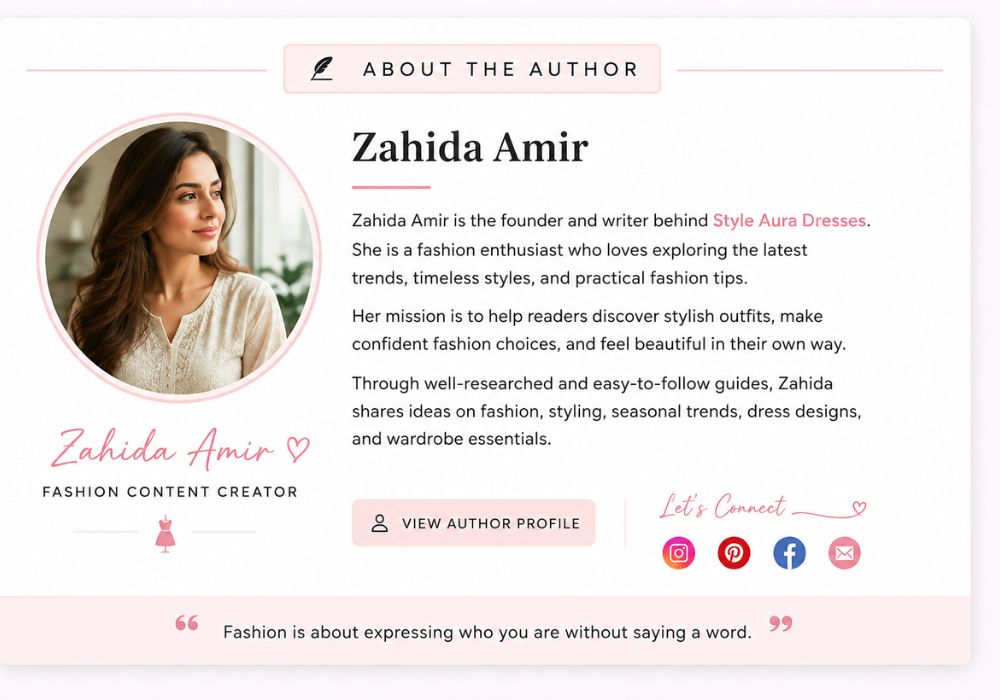
Zahida Amir is the founder and creative force behind Style Aura Dresses, a multicultural fashion blog celebrating South Asian, Western, and bridal dress styles. With a deep passion for fashion trends and timeless elegance, Zahida Amir curates content that helps readers discover the perfect look for every occasion.
Through Style Aura Dresses, Zahida Amir shares style guides, dress inspiration, and expert fashion tips, blending traditional and contemporary influences to inspire women worldwide.