
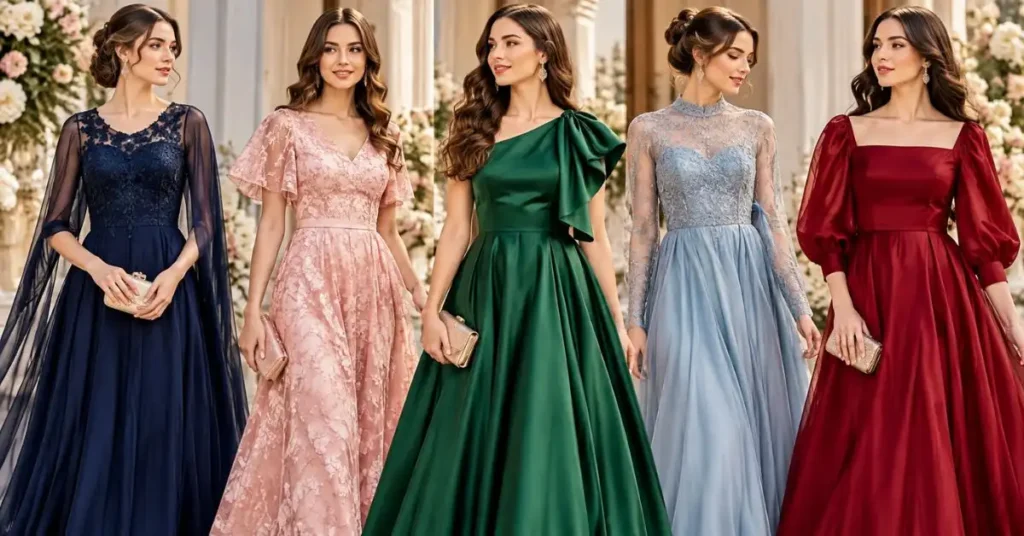
Finding the right outfit for a milestone event can feel overwhelming, especially when the invitation demands a specific level of polish. A well-chosen program dress bridges the gap between personal style and event expectations, ensuring you look appropriate without sacrificing comfort. Throughout this guide, you will learn how to decode dress codes, select flattering silhouettes, choose appropriate fabrics for changing weather, and style your look with confidence.
What Is a Program Dress?
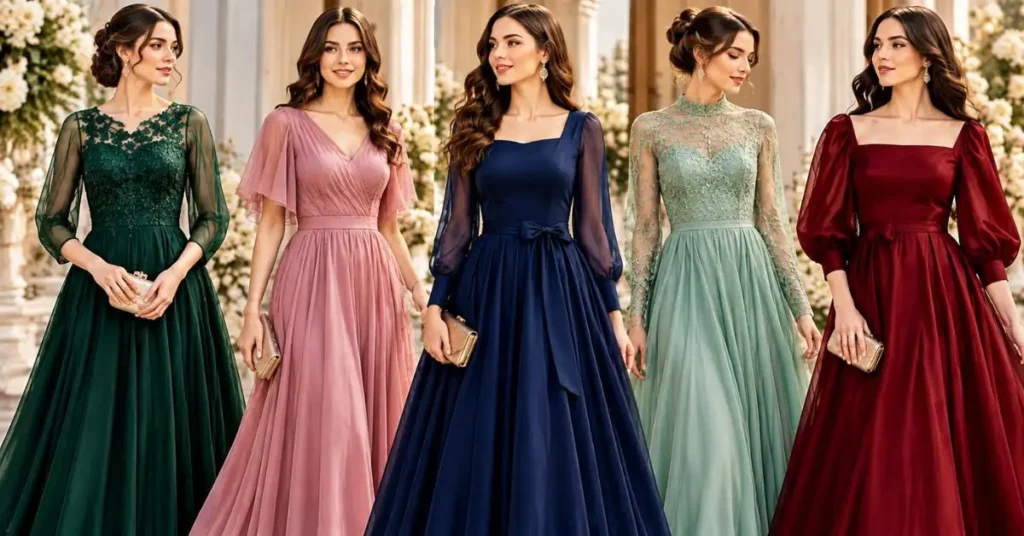
A program dress is a specific piece of occasion wear designed for organized public events, ceremonies, and formal gatherings. Unlike everyday casual wear or ultra-formal evening gowns, this style strikes a balance between professional neatness and celebratory elegance.
People typically need this type of outfit for events where they will be seated on stage, participating in a ceremony, or attending as an honored guest. Common scenarios include:
- Formal programs and academic symposiums
- School or university graduation events and assemblies
- Professional award ceremonies and banquets
- Cultural programs and community showcases
- Family milestones, religious celebrations, and holiday programs
The primary goal of a program dress is to provide a put-together appearance that respects the tone of the gathering while allowing you to move, sit, and interact comfortably.
How to Choose the Right Program Dress
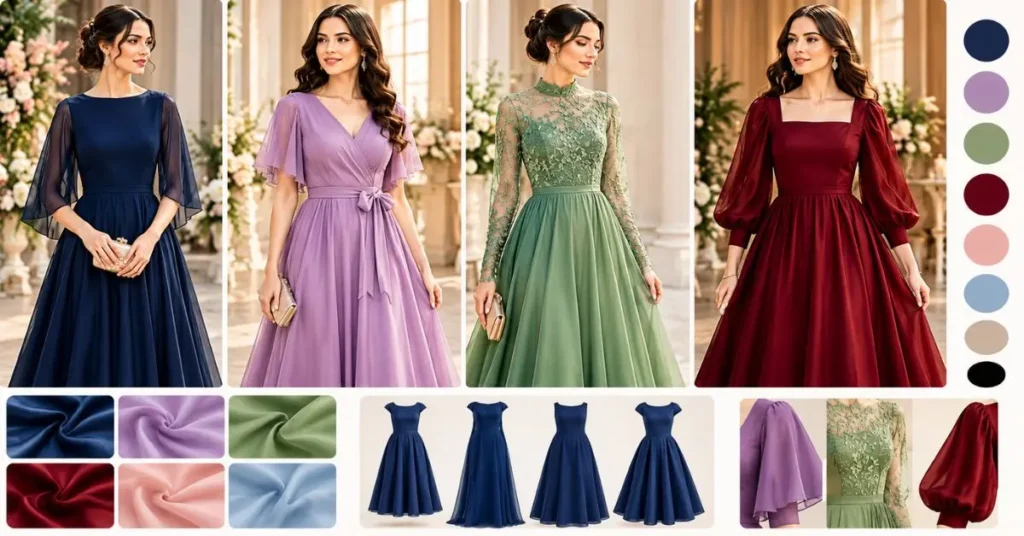
Selecting the ideal garment requires looking closely at four main elements: the event itself, your body silhouette, the fabric, and the color palette.
Consider the Occasion
The formality of your event dictates your entire clothing strategy. A community theater showcase allows for creative, colorful styles, whereas a corporate academic symposium calls for tailored, conservative elegance. Always review the venue, the time of day, and any host-provided guidelines before shopping.
Choose the Right Length and Silhouette
Proportion and fit dictate how polished your outfit looks. Consider these reliable silhouettes:
- Midi: Landing right at mid-calf, the midi length offers a sophisticated, versatile middle ground suitable for nearly any daytime or evening program.
- Maxi: Floor-sweeping lengths bring drama and elegance, perfect for evening banquets and formal galas.
- A-line: Fitted through the bodice and flaring gently outward from the waist, this shape flatters almost every body type.
- Fit-and-flare: Accentuates the waist while providing comfortable movement through the skirt.
- Wrap styles: Adjustable and flattering, wrap designs offer custom comfort and classic lines.
- Tailored silhouettes: Structured sheath or shift styles project confidence and modern professionalism.
Pick a Suitable Fabric
Fabric choice changes the entire personality of a garment and dictates how well it handles different temperatures:
- Chiffon: Lightweight and airy, chiffon brings graceful movement to spring and summer gatherings.
- Satin: Smooth with a subtle sheen, satin elevates evening event looks instantly.
- Cotton: Breathable and crisp, cotton works wonderfully for outdoor daytime school functions.
- Linen: Naturally textured and cool, linen fits casual warm-weather cultural gatherings.
- Velvet: Plush and warm, velvet creates a luxurious, tactile option for winter celebrations.
- Crepe: A reliable, wrinkle-resistant textile that drapes cleanly and holds a sharp shape all day.
- Lace: Adds intricate texture and timeless femininity to special-event attire.
Select the Right Color
Color sets the mood for your entire outfit. Neutral shades like navy, charcoal, and taupe offer timeless versatility. Pastels feel fresh and welcoming for spring daytime events, while rich jewel tones such as emerald, sapphire, and burgundy project authority and elegance during evening programs. Classic black remains a foolproof option for formal nighttime functions.
Best Program Dress Styles for Different Occasions
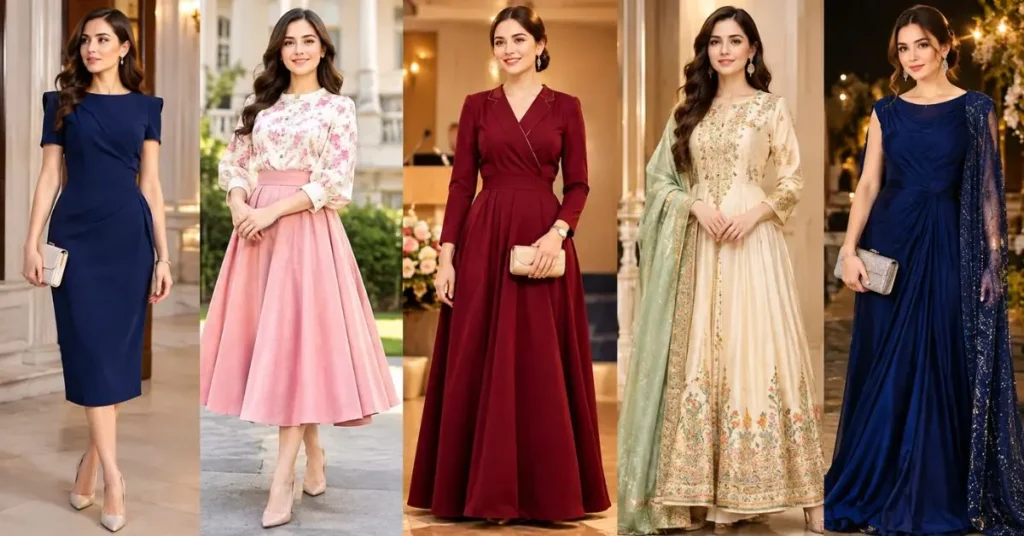
Different events require distinct aesthetic choices. Tailoring your look to the specific setting ensures you always fit right in.
Formal Programs
For formal programs, stick to refined elegance. A structured midi sheath or a sleek column gown in a solid neutral or deep jewel tone creates an authoritative yet graceful silhouette. Pair with closed-toe pumps and minimal, high-quality jewelry.
School and College Programs
Academic settings call for modest, comfortable, and youthful styles. An A-line midi skirt in breathable cotton blend or crepe keeps you looking neat during long hours of sitting and walking across stages. Soft florals or cheerful solid pastels strike the right energetic note.
Award Ceremonies
When stepping up to receive recognition, your outfit should reflect the significance of the moment. Choose sophisticated silhouettes with subtle design details, such as a faux-wrap bodice or a structured collar. Refined accessories like a sleek clutch and delicate metallic jewelry complete the look.
Cultural Programs
Cultural events celebrate heritage and artistry. You can incorporate tasteful cultural details—such as traditional embroidery, woven textiles, or regional silhouettes—into your program dress to honor the occasion respectfully and beautifully.
Evening Programs
Nighttime gatherings invite deeper colors and richer textures. Elevate an evening event look by choosing garments crafted from satin or crepe featuring subtle metallic threads or delicate beading. Layer with a tailored wrap or structured jacket to stay warm after dark.
How to Style a Program Dress
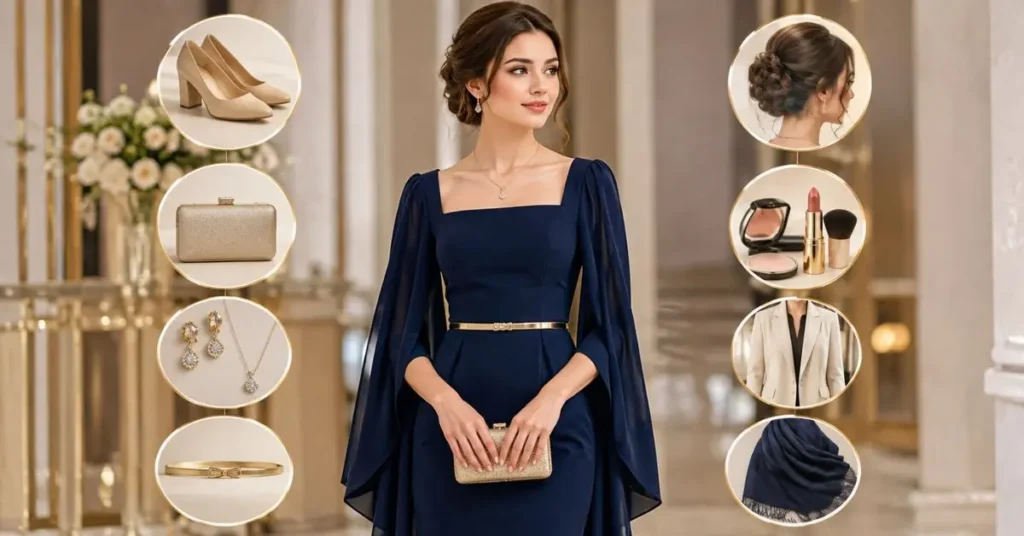
Accessorizing should enhance your outfit, not overpower it. Balance is the key to cohesive event styling.
- Shoes: Choose footwear you can stand and walk in comfortably, such as block heels, classic pumps, or polished flats.
- Handbags: A compact clutch or a small structured crossbody bag keeps your hands free without adding visual bulk.
- Jewelry: Follow the rule of balance. If your outfit features heavy beadwork, wear minimal earrings. If your neckline is simple, add a delicate pendant or statement earrings.
- Belts: Use a thin belt to define your waist on looser silhouettes.
- Hair: Match your hairstyle to the neckline. High necklines look best with updos, while strapless or V-neck styles pair well with soft waves.
- Makeup: Keep your cosmetic look balanced with the formality of the event—polished and natural for day, slightly more defined for evening.
- Layering pieces and outerwear: Bring a tailored blazer, a sleek wrap, or a structured coat that complements your outfit rather than hiding it.
Program Dress Ideas by Season
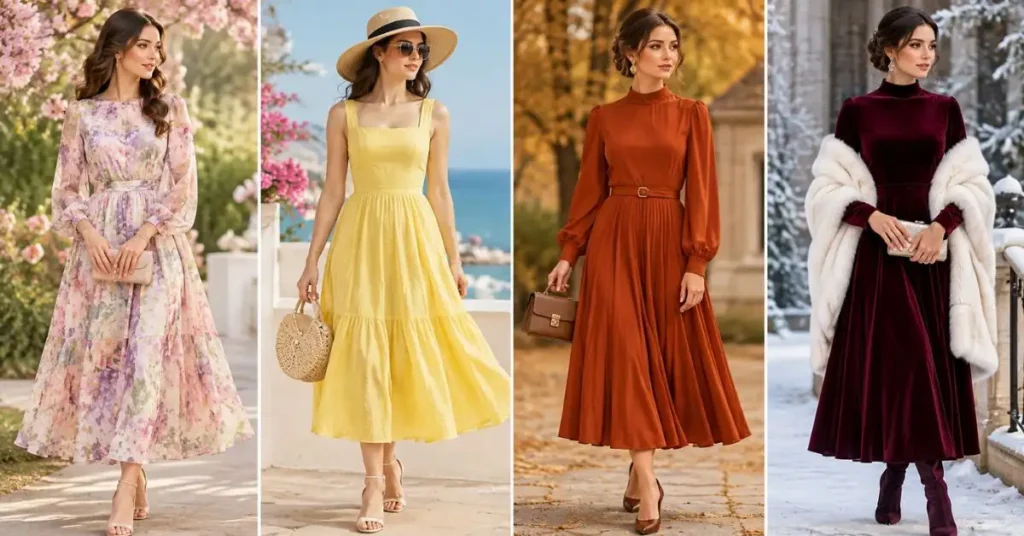
Weather dictates both comfort and fabric choices. Adapt your wardrobe selection throughout the year:
- Spring: Embrace floral prints, pastel colors, and lightweight fabrics like chiffon and light crepe.
- Summer: Prioritize breathable cotton, linen, and airy silhouettes that keep you cool during warm daytime functions.
- Fall: Transition to rich colors, textured crepe, velvet accents, and elegant layering pieces.
- Winter: Opt for plush velvet, long sleeves, structured outerwear, and deeper, moody shades.
Common Mistakes to Avoid
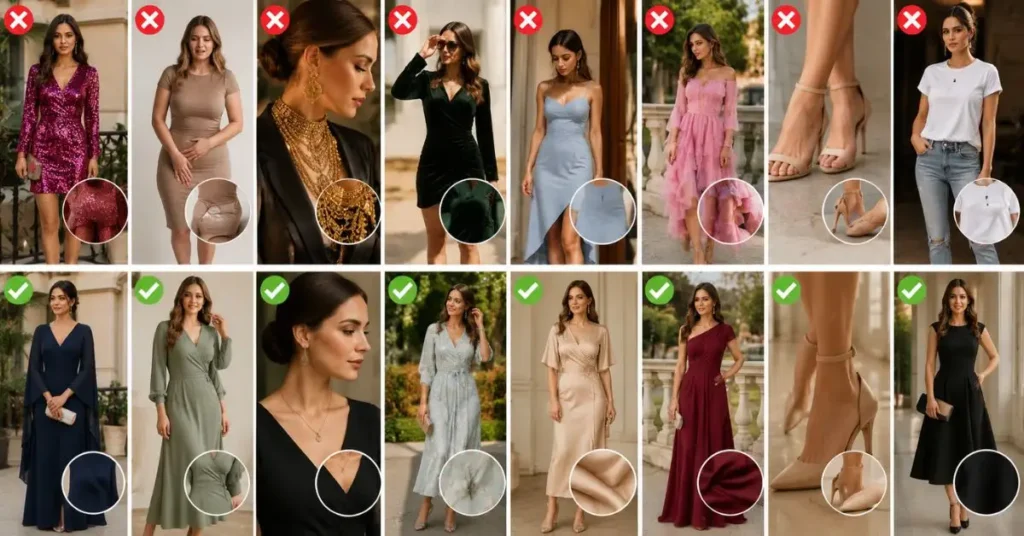
Steer clear of these common wardrobe pitfalls to ensure a stress-free event experience:
- Choosing an inappropriate outfit: Always match the expected formality of the venue and host guidelines.
- Ignoring comfort: If you cannot sit, breathe, or walk comfortably, the garment is not right for the event.
- Wearing too many accessories: Let one or two statement pieces shine rather than cluttering your look.
- Choosing the wrong fabric for the weather: Heavy velvet in summer or thin linen in freezing winter will ruin your comfort.
- Ignoring proper fit: Even an expensive garment looks sloppy if it pulls, gaps, or drags on the floor.
- Overdoing trends: Stick to timeless silhouettes rather than fleeting micro-trends that may look dated in photographs.
- Wearing uncomfortable shoes: Foot pain distracts from your confidence and posture during the program.
- Forgetting the overall dress code: Read invitations carefully to distinguish between casual, semi-formal, and formal mandates.
How to Create an Elegant Look on a Budget
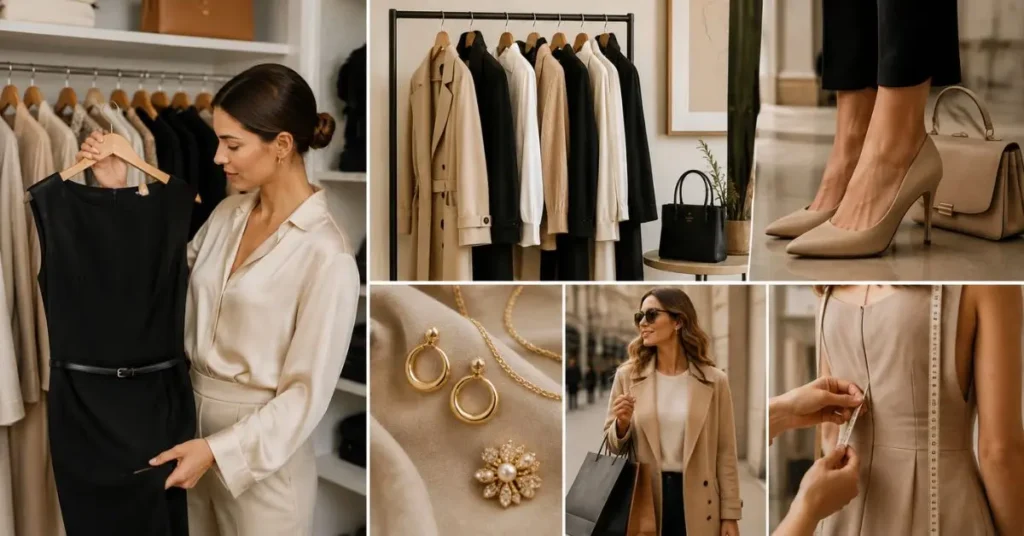
Looking polished does not require an extravagant budget. You can build a stunning ensemble smartly:
- Reusing existing pieces: Shop your own closet first. A classic black sheath can transform entirely with a new belt or scarf.
- Investing in versatile basics: Buy high-quality neutral garments that work across multiple seasons and events.
- Choosing simple silhouettes: Minimalist cuts look inherently more expensive and timeless than over-designed garments.
- Using accessories strategically: Elevate a basic, affordable outfit with standout shoes, a striking brooch, or elegant earrings.
- Shopping according to the occasion: Buy off-season or look for classic pieces rather than paying peak prices for trendy items.
- Altering an affordable outfit: A modestly priced garment tailored specifically to your body measurements will look custom-made and high-end.
Conclusion
Putting together the ideal event look comes down to balancing personal comfort with the gathering’s tone. By selecting the right fabric, silhouette, and seasonal color, your chosen program dress will project confidence and grace. Keep your accessories intentional, prioritize a great fit, and you will step into any event feeling completely prepared and effortlessly stylish.
FAQs
What is a program dress?
A program dress is a polished piece of occasion wear specifically chosen for organized public events, ceremonies, and formal gatherings where you want to look professional, elegant, and appropriate.
What should I wear to a formal program?
Opt for structured silhouettes like midi sheaths or floor-length gowns in solid neutral colors or rich jewel tones, paired with refined accessories and classic pumps.
Which color is best for a program outfit?
Neutral shades like navy, black, and charcoal offer maximum versatility, though pastels suit daytime spring events and jewel tones shine during evening functions.
Can I wear a simple outfit to a formal program?
Yes. A simple, well-tailored garment often looks more sophisticated than an overly complicated design, provided it matches the formality of the venue.
What should I wear to an evening program?
Choose darker colors, heavier fabrics like satin or velvet, and subtle embellishments or evening wraps to match the nighttime atmosphere.
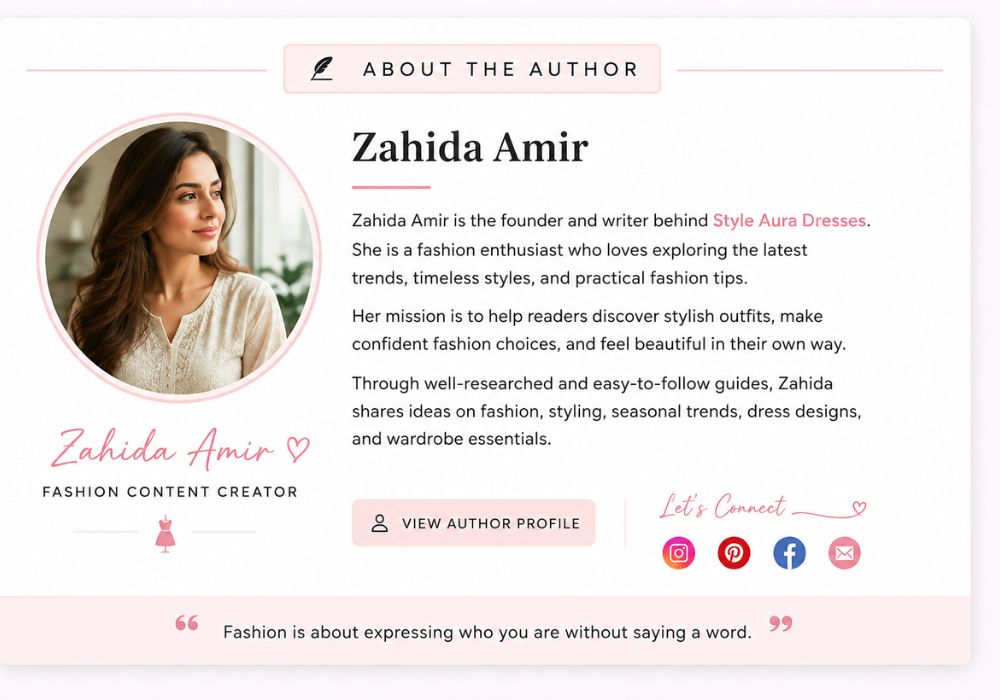
Zahida Amir is the founder and creative force behind Style Aura Dresses, a multicultural fashion blog celebrating South Asian, Western, and bridal dress styles. With a deep passion for fashion trends and timeless elegance, Zahida Amir curates content that helps readers discover the perfect look for every occasion.
Through Style Aura Dresses, Zahida Amir shares style guides, dress inspiration, and expert fashion tips, blending traditional and contemporary influences to inspire women worldwide.