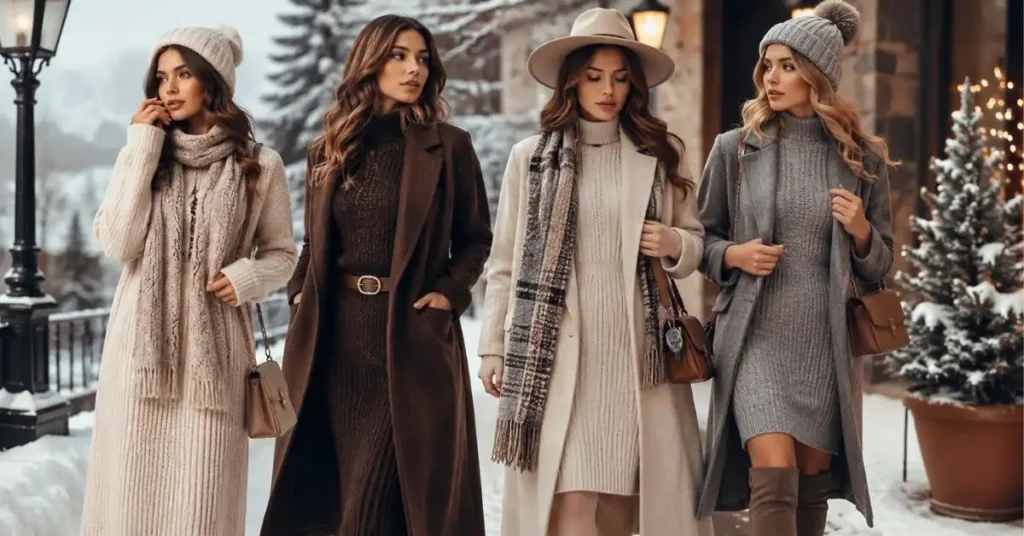
Winter dresses are the perfect choice for staying warm while still looking stylish during the cold season. When temperatures drop, many people think fashion must suffer, but that’s not true. With the right fabrics, designs, and layers, winter outfits can be both cozy and trendy. From casual daily wear to elegant evening outfits, winter dresses offer comfort, warmth, and beauty all in one. In this guide, you will learn everything about cold season outfits, including styles, benefits, fabrics, and common mistakes to avoid.
What Are Winter Dresses?
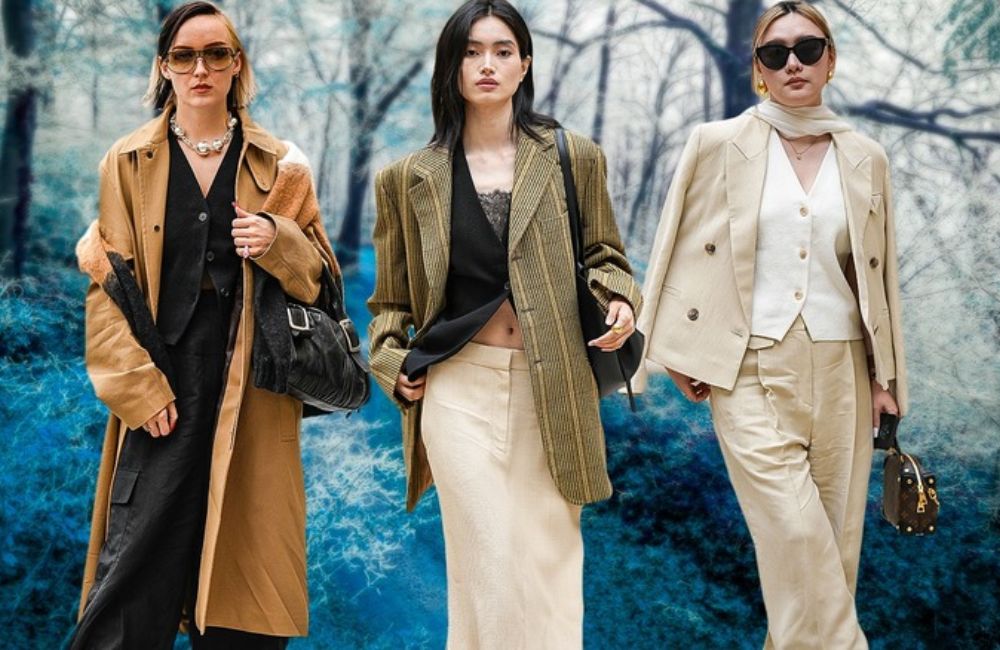
Winter dresses are specially designed outfits that help women stay warm, comfortable, and stylish during cold weather. Unlike lightweight summer clothing, these outfits are made with warmer fabrics, fuller coverage, and practical designs that provide extra insulation without sacrificing style.
Depending on the weather and occasion, you can choose from knitted midi dresses, wool dresses, sweater dresses, velvet styles, long-sleeve maxi dresses, and layered winter outfits. These options make it easy to create both casual and elegant looks throughout the colder months.
A good winter outfit should provide enough warmth while still allowing comfortable movement. Choosing the right fabric, length, sleeve style, and layering pieces can make a significant difference in how comfortable you feel outdoors.
Key Features of Winter Outfits
The most common features include:
- Warm fabrics: Wool, knit, fleece, velvet, cashmere blends, and thicker cotton fabrics provide better insulation.
- Long sleeves: Full-length or three-quarter sleeves help protect the arms from cold temperatures.
- Fuller coverage: Midi and maxi lengths can offer more warmth than short summer styles.
- Layering options: Dresses can be paired with coats, cardigans, jackets, scarves, and tights.
- Winter-friendly accessories: Boots, gloves, hats, and warm scarves can complete the look.
- Versatile designs: Winter styles are available for everyday wear, office outfits, dinners, parties, and special occasions.
Types of cold-weather outfits
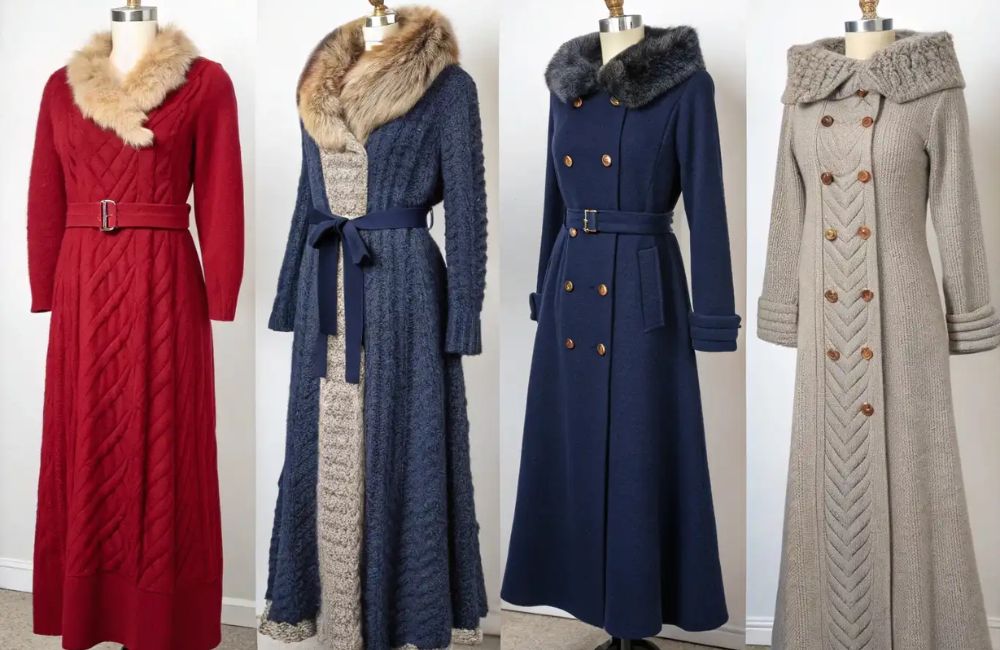
There are many styles of winter dresses to suit different occasions and preferences.
Casual Winter Dresses
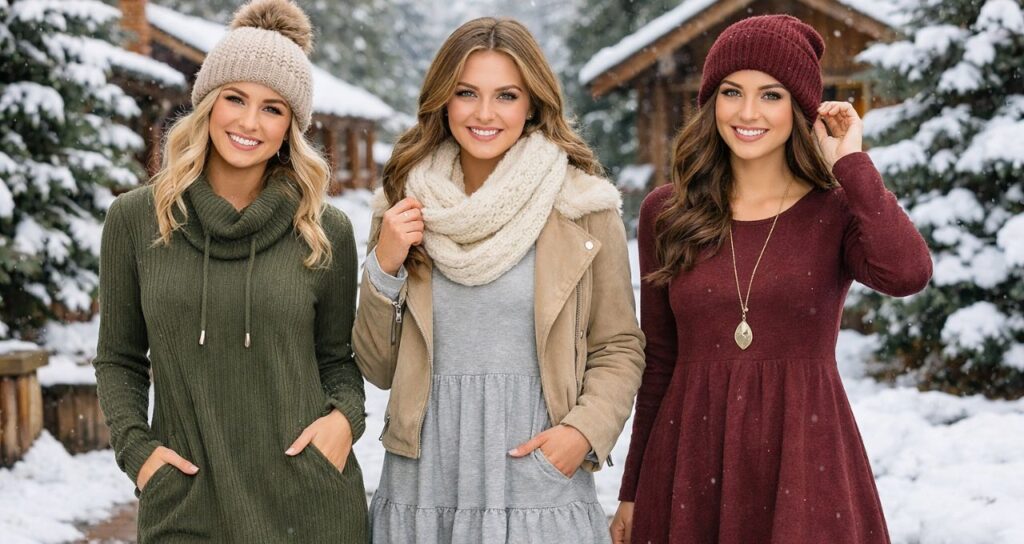
Casual winter dresses are perfect for daily wear, shopping, or relaxed outings.
- Sweater dresses
- Knit winter dresses
- Hooded winter dresses
- Loose-fit cold-season outfits
Formal Winter Outfits
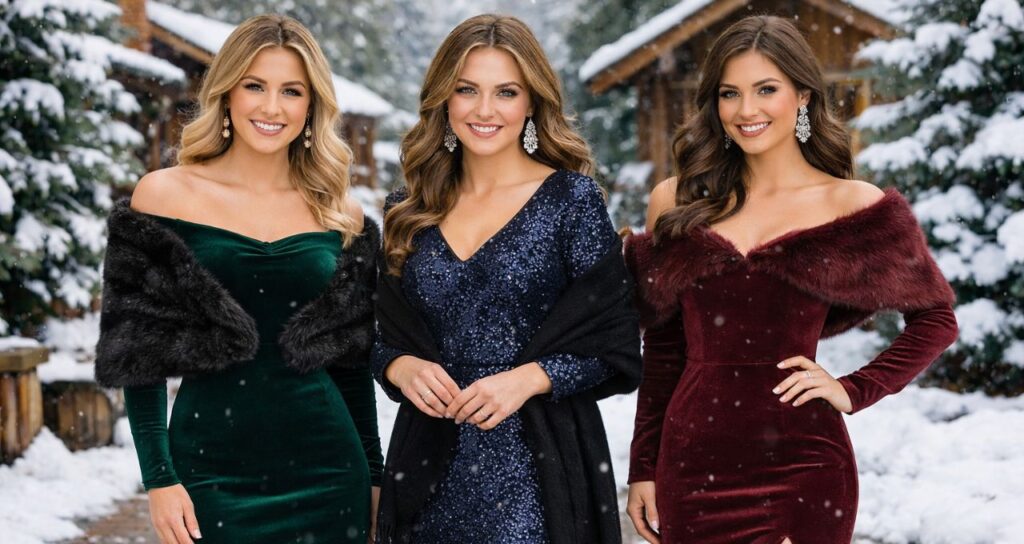
Formal winter dresses are ideal for offices, meetings, and professional events.
- Long-sleeve outfits
- Wool-blend midi dresses
- Belted winter dresses
- High-neck cold-weather outfits
Party & Evening Cold-Season Outfits
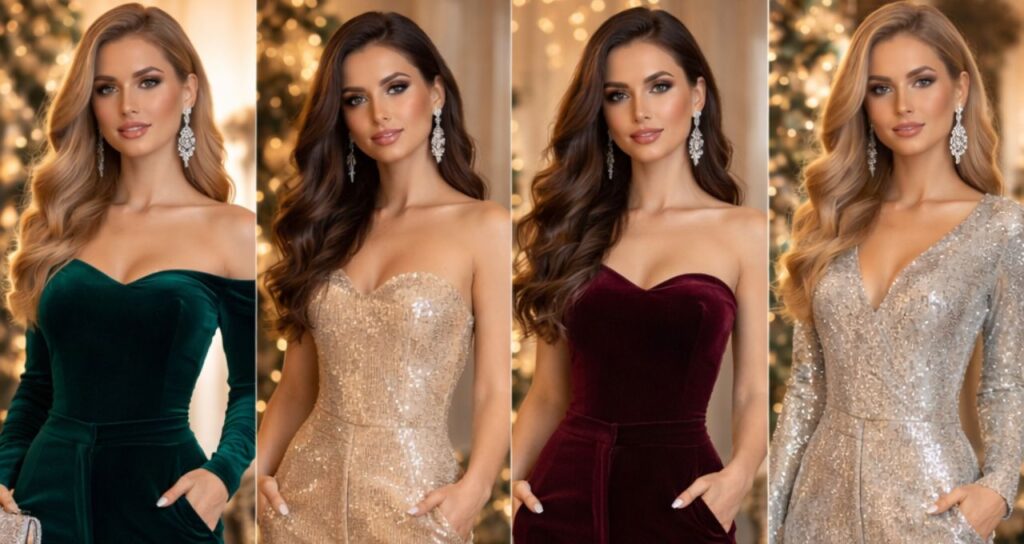
Winter parties don’t mean you have to compromise on style.
- Velvet cold-weather outfits
- Bodycon winter outfits
- Maxi winter dresses
- Stylish layered winter wear dresses
Popular Fabrics Used in Winter Dresses
Choosing the right fabric is very important when buying cold-weather outfits.
Best Fabrics for Warmth
- Wool: Natural, warm, and breathable
- Knit: Soft, flexible, and cozy
- Velvet: Warm and luxurious
- Fleece: Lightweight but insulating
- Cotton blends: Comfortable with layering
Long-sleeve outfits made from these fabrics are ideal for cold days.
Benefits of Wearing Winter Outfits
Winter outfits offer many advantages beyond style.
Top Benefits
- Keep your body warm and comfortable
- Easy to style with jackets and boots
- Suitable for multiple occasions
- Save time compared to matching separates
- Available in many lengths and designs
Winter wear dresses help you stay fashionable without feeling cold.
How to Style Winter Outfits
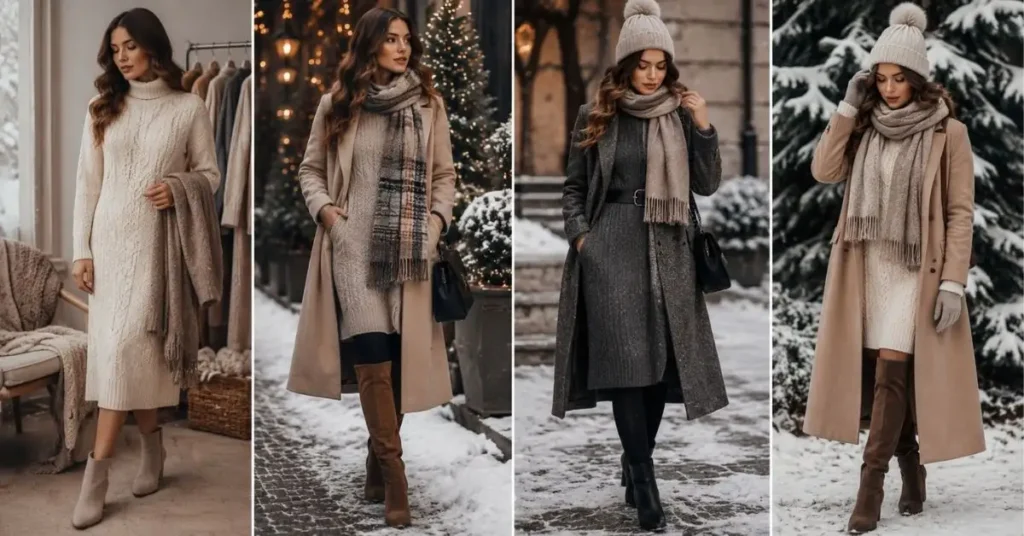
Styling cold-weather outfits is easy if you follow the right steps.
Step 1: Choose the Right Dress
Select a winter outfit made from thick fabric and with long sleeves or full-length.
Step 2: Add Warm Layers
- Wear a coat or cardigan
- Use thermal leggings under dresses
- Layer with scarves or shawls
Step 3: Pick the Right Footwear
- Ankle boots
- Knee-high boots
- Closed shoes
Step 4: Use Winter Accessories
- Wool scarves
- Gloves
- Beanies or hats
Long-Sleeve Winter Outfits: A Winter Essential
Long-sleeve winter outfits are among the most popular choices during cold months. They provide full arm coverage, making them warmer than short-sleeve designs.
Why Long Sleeve Dresses Are Popular
- Extra warmth
- Elegant appearance
- Easy layering
- Suitable for formal and casual wear
They are a smart addition to any winter wardrobe.
Cold-Season Outfits for Different Occasions
Best Winter Outfits for Work
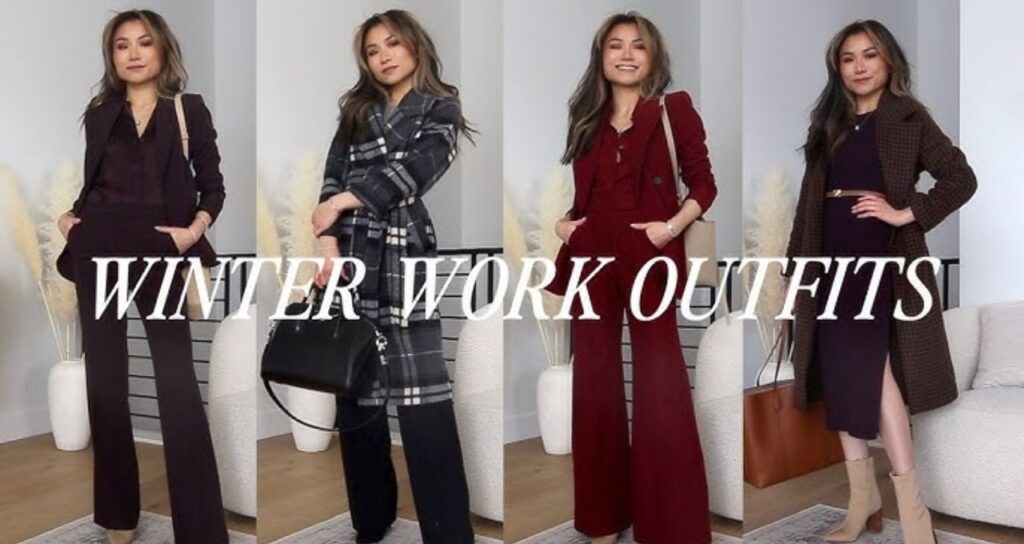
Choose winter wear outfits with simple designs, solid colors, and modest cuts.
Winter Dresses for Casual Outings
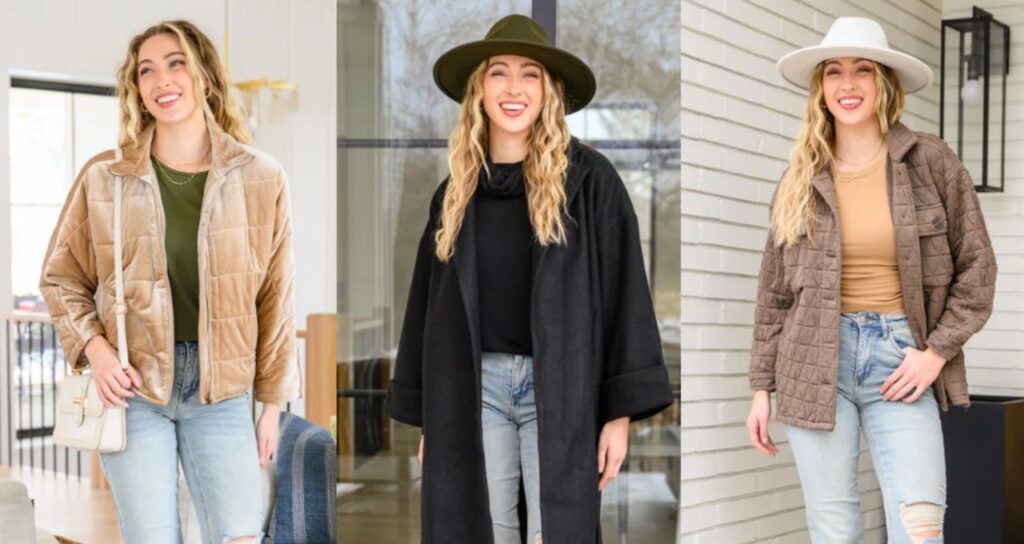
Opt for relaxed fits, sweater dresses, and knitted styles.
Cold Season Outfits for Special Events
Velvet or embellished winter dresses are great for weddings and parties.
Common Mistakes to Avoid When Buying Winter Outfits
Many people make small mistakes that reduce comfort or style.
Avoid These Mistakes
- Choosing thin fabric that doesn’t keep you warm
- Ignoring proper sizing for layering
- Buying only style-focused dresses without comfort
- Forgetting footwear compatibility
- Overloading accessories
How to Care for Winter Outfits
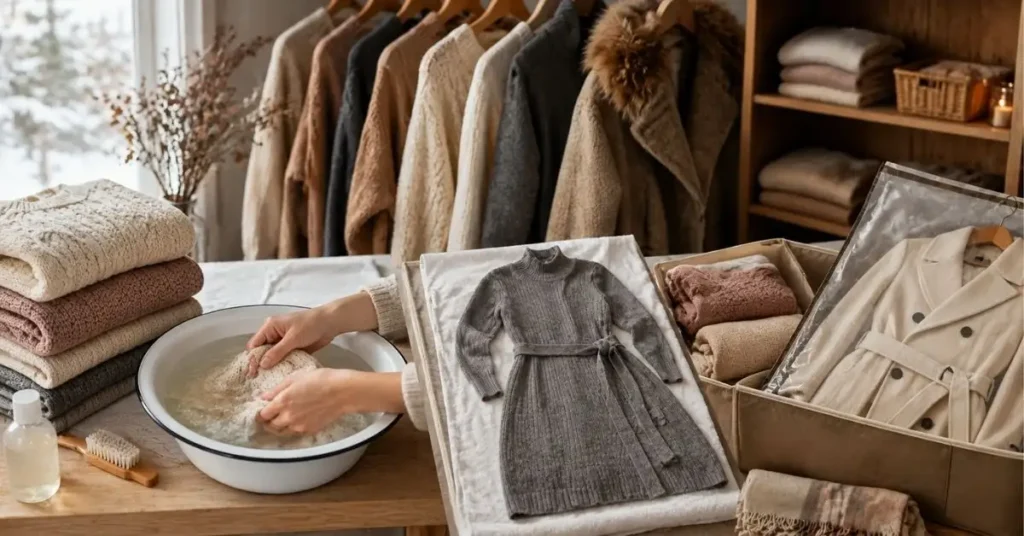
Proper care can help your winter outfits maintain their shape, softness, color, and overall appearance for a longer time. Cold-weather clothing often uses delicate or heavy fabrics such as wool, knit, velvet, fleece, and cashmere blends. These materials may require more careful handling than lightweight everyday clothing.
Following the correct washing, drying, and storage methods can prevent shrinking, stretching, fading, pilling, and fabric damage. Always check the care instructions before cleaning any winter garment.
Care Tips
1. Read Fabric Labels Carefully
Before washing a winter dress or other cold-weather outfit, check the care label. It will tell you whether the garment should be machine washed, hand washed, dry cleaned, or cleaned using a specific temperature.
Different fabrics have different requirements, so avoid using the same washing method for every outfit.
2. Hand Wash Wool and Knit Dresses
Wool and knitted garments can lose their shape when exposed to rough washing or excessive agitation. When the care label allows hand washing, use cool or lukewarm water and a gentle detergent.
Avoid twisting or wringing the garment because this can stretch the fibers. Instead, gently press out excess water and reshape the garment while it is damp.
3. Avoid High-Heat Drying
High temperatures can cause some winter fabrics to shrink, weaken, or lose their original shape. Whenever possible, follow the care label and choose a low-heat or air-drying method.
For knitted or wool garments, laying the item flat on a clean, dry towel can help it maintain its shape while drying.
4. Store in a Dry, Clean Place
Before storing seasonal clothing, make sure every garment is completely clean and dry. Moisture can lead to unpleasant odors, mildew, and fabric damage.
Keep winter clothing in a cool, dry, and well-ventilated storage area. Avoid overcrowding your wardrobe because tightly packed garments may become wrinkled and lose their shape.
5. Use Garment Covers for Long Storage
If you are storing winter outfits for several months, garment covers can help protect them from dust and accidental stains. Breathable fabric covers are generally preferable for garments that need ventilation.
Fold heavier knitwear instead of hanging it for long periods, as hanging can sometimes stretch the shoulders. Structured coats and garments that are designed to hang can be stored on suitable padded or sturdy hangers.
Trending Cold Season Outfits
1. Oversized Knit Dresses
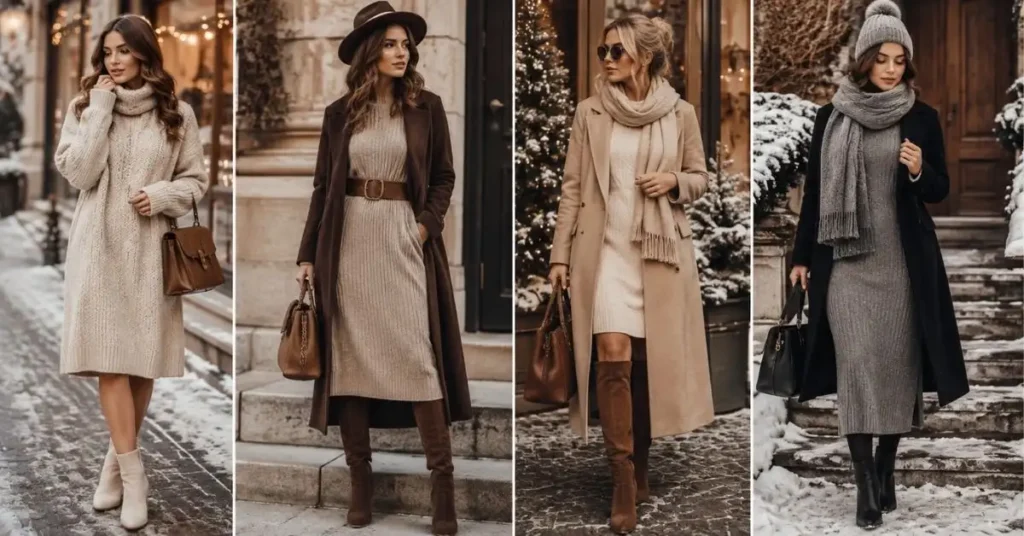
Oversized knit dresses are a popular choice for women who want a relaxed and comfortable winter look. Their loose silhouette provides plenty of room for movement while creating a cozy appearance.
You can wear an oversized knit dress with ankle boots, knee-high boots, or sneakers for a casual outfit. Adding a structured handbag or a long coat can make the look more polished.
2. Belted Winter Outfits
Belted winter outfits are ideal for creating a more defined silhouette. A belt can be added to a loose sweater dress, wool dress, or long winter outfit to highlight the waist.
Wide belts create a bold statement, while slim belts offer a more subtle and elegant finish. Pairing a belted dress with boots and a tailored coat can create a sophisticated outfit for work, dinner, or special occasions.
3. Neutral Color Cold Season Outfits
Neutral colors continue to be popular during the colder months because they are easy to style and create a timeless appearance. Shades such as beige, cream, camel, gray, brown, black, and soft white can work beautifully in winter wardrobes.
Neutral outfits also make layering easier. For example, a cream knit dress can be paired with a camel coat and brown boots for a coordinated look. You can add a darker handbag or simple gold-toned jewelry for a touch of contrast.
4. Layered Long-Sleeve Winter Outfits
Layering remains one of the most practical winter styling techniques. Long-sleeve dresses can be worn with thermal layers, tights, cardigans, jackets, or coats depending on the temperature.
A simple long-sleeve midi dress can become a complete outfit with opaque tights, ankle boots, and a warm coat. For extremely cold days, adding a scarf, gloves, and a thick outer layer can provide additional protection.
Conclusion
Winter dresses are a smart and stylish choice for the cold season. They keep you warm, comfortable, and fashionable at the same time. With so many designs, fabrics, and styles available, winter wear dresses suit every occasion from casual days to formal events. Long-sleeve winter outfits, in particular, offer excellent warmth and elegance. By choosing the right fabric, avoiding common mistakes, and styling them properly, you can enjoy winter fashion without discomfort. Invest in quality cold-weather outfits and stay confident and cozy all season long.
FAQs
1. Are winter dresses suitable for very cold weather?
Yes, winter outfits made from wool or knit fabrics and layered properly are great for cold weather.
2. Can winter outfits be worn casually?
Absolutely. Casual winter dresses are perfect for daily wear and outings.
3. What shoes go best with winter dresses?
Boots, ankle boots, and closed shoes work best with winter outfits.
4. Are long-sleeve winter outfits better than sleeveless ones?
Long-sleeve winter dresses provide more warmth and are better for cold seasons.
5. Can winter dresses be worn indoors?
Yes, lightweight winter dresses are comfortable for indoor use as well

Zahida Amir is the founder and creative force behind Style Aura Dresses, a multicultural fashion blog celebrating South Asian, Western, and bridal dress styles. With a deep passion for fashion trends and timeless elegance, Zahida Amir curates content that helps readers discover the perfect look for every occasion.
Through Style Aura Dresses, Zahida Amir shares style guides, dress inspiration, and expert fashion tips, blending traditional and contemporary influences to inspire women worldwide.