
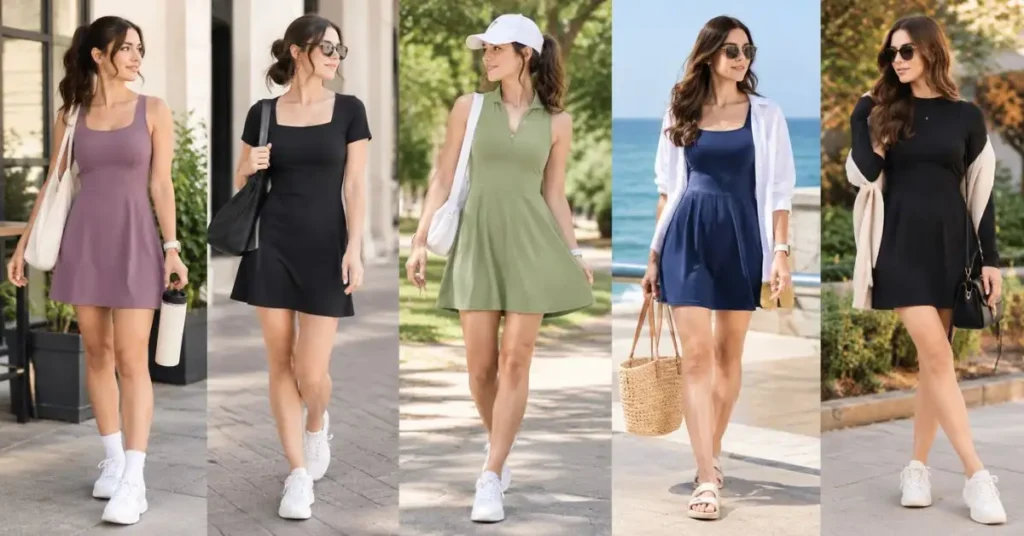
A halara dress brings together the relaxed appeal of everyday clothing with the sporty influence of modern athleisure. Instead of treating comfort and style as separate priorities, this type of one-piece look can make it easier to create an outfit that feels practical while still looking polished.
A halara dress is especially useful when you want a single comfortable base that can move easily from casual daytime plans to relaxed weekend activities. The appeal is easy to understand: one simple silhouette can work for errands, casual lunches, travel days, weekend plans, walks, and other everyday occasions.
The final appearance, however, depends on more than the garment itself. Footwear, accessories, proportions, layering, color, and the occasion all influence how the overall look comes together.
The key is to think beyond a single trend. A versatile piece should fit naturally into your existing wardrobe rather than requiring an entirely new collection of accessories and shoes.
This guide explores what defines a halara dress, how to choose a suitable style, ways to accessorize it, seasonal styling ideas, and practical mistakes to avoid. The goal is simple: help you create comfortable looks that still feel intentional and personal.
What Is a Halara Dress?
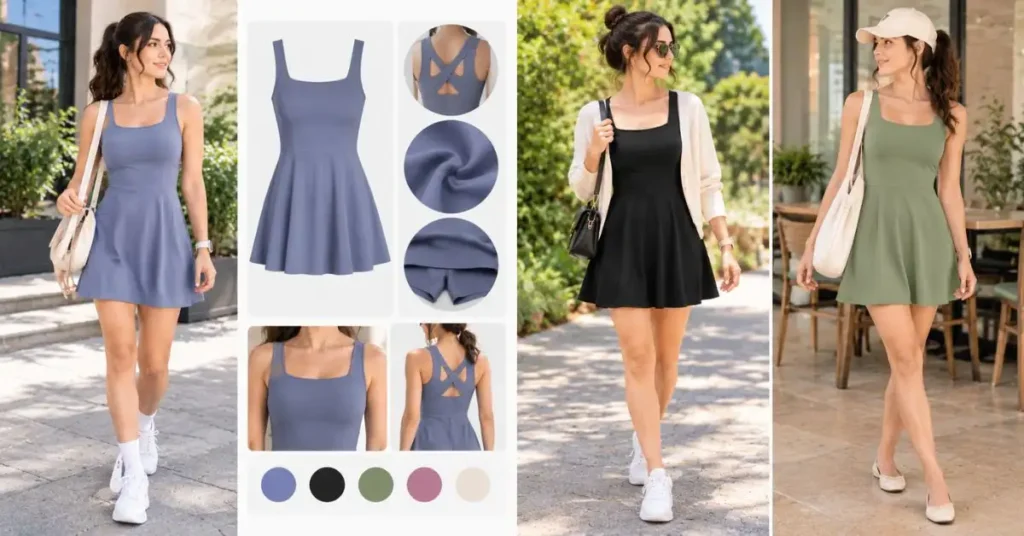
A halara dress generally refers to a casual, sporty-inspired one-piece style associated with the Halara fashion brand and the broader athleisure movement. Depending on the particular design, these garments can combine elements commonly seen in activewear with the shape and simplicity of a casual feminine silhouette.
The important distinction is that “halara dress” can describe a style category in everyday searches as well as a product associated with the Halara brand. Individual designs can vary considerably, so details such as fabric composition, support, length, construction, and care instructions should always be checked for the specific garment.
From a styling perspective, the concept is straightforward: start with a comfortable one-piece base and build around it.
That could mean pairing a Halara dress with clean white sneakers and a crossbody bag for daytime errands, adding a lightweight cardigan for cooler weather, or choosing simple jewelry and polished flats when you want a more refined appearance.
The versatility comes from the styling rather than from one particular silhouette.
Why Halara-Style Clothing Has Become Popular
Modern wardrobes increasingly combine casual clothing with elements traditionally associated with sportswear. This has helped athleisure become part of everyday fashion rather than something reserved exclusively for exercise.
A halara dress fits naturally into this shift because it combines the simplicity of a one-piece silhouette with the comfort associated with athleisure fashion.
One reason this approach works is convenience. A one-piece garment requires fewer decisions than a combination of separate tops and bottoms. When the silhouette is simple, you can also change the overall mood with relatively small adjustments.
For example, sneakers and a baseball cap can create a relaxed weekend appearance. Replace the cap with delicate jewelry, add a structured handbag, and the same base can feel more polished.
Another attraction is versatility.
A casual one-piece style can potentially move between several parts of the day without requiring a complete change of clothing. That makes it particularly useful for busy schedules, travel, casual social plans, and everyday activities.
For more inspiration, you can also explore our broader guide to women’s fashion and see how different silhouettes can work together across a modern wardrobe.
Key Features to Look For in a Halara Dress
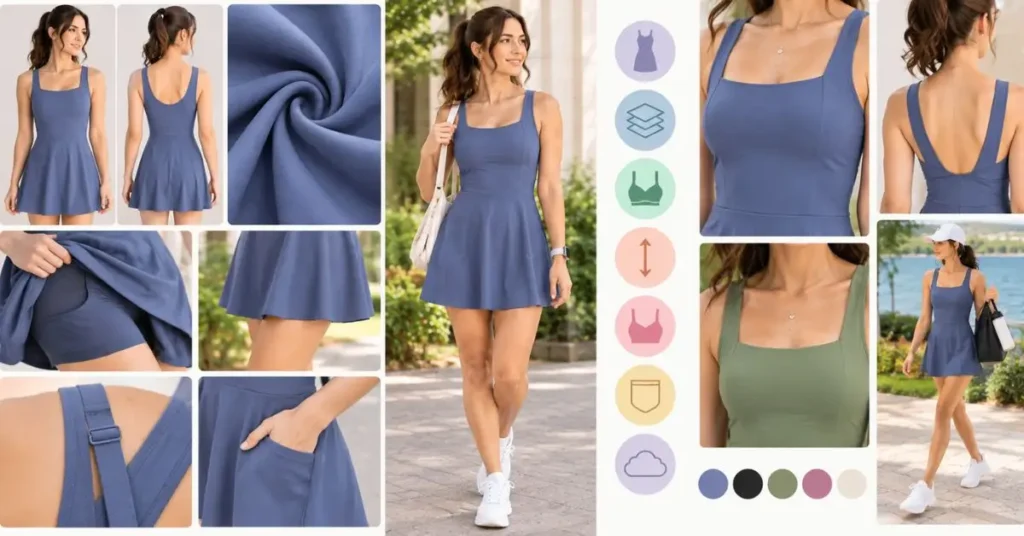
When choosing a halara dress, start by understanding the features that affect comfort, fit, appearance, and everyday practicality.
Silhouette
Consider how the garment sits on your body and how much structure you prefer.
A more fitted shape can create a streamlined appearance, while a relaxed silhouette may feel more casual. Neither approach is inherently better. The right choice depends on your comfort, personal taste, and intended use.
Fabric
Fabric has a major effect on how a garment feels and behaves.
Look at the composition and care information before purchasing. Stretch, weight, breathability, drape, and texture can all influence the wearing experience.
Rather than assuming that every Halara piece uses the same material, check the individual product description and care label.
Support
If the garment has an integrated bodice or built-in support features, consider whether that construction provides the level of comfort you prefer.
Support is particularly important if you plan to wear the piece for extended periods or during active parts of your day.
Length
Length changes both the appearance and practicality of a one-piece style.
A shorter silhouette may create a youthful sporty appearance, while a longer design can feel more understated. Think about your usual activities as well as the setting where you intend to wear it.
Straps and Neckline
Strap width and neckline shape can influence both comfort and visual balance.
Choose a construction that feels secure and appropriate for the occasion. If you plan to layer over the garment, also consider whether the neckline works well with cardigans, jackets, or sweaters.
Pockets
Pockets can be particularly useful in casual clothing. If a design includes them, consider their size and placement rather than assuming that every pocket will be equally practical.
Fit and Comfort
Fit should always be considered alongside appearance.
A piece can look attractive on a product page but still not suit your preferences once worn. Check sizing information carefully and consider how the fabric is expected to fit before making a decision.
Different Ways to Style a Halara Dress
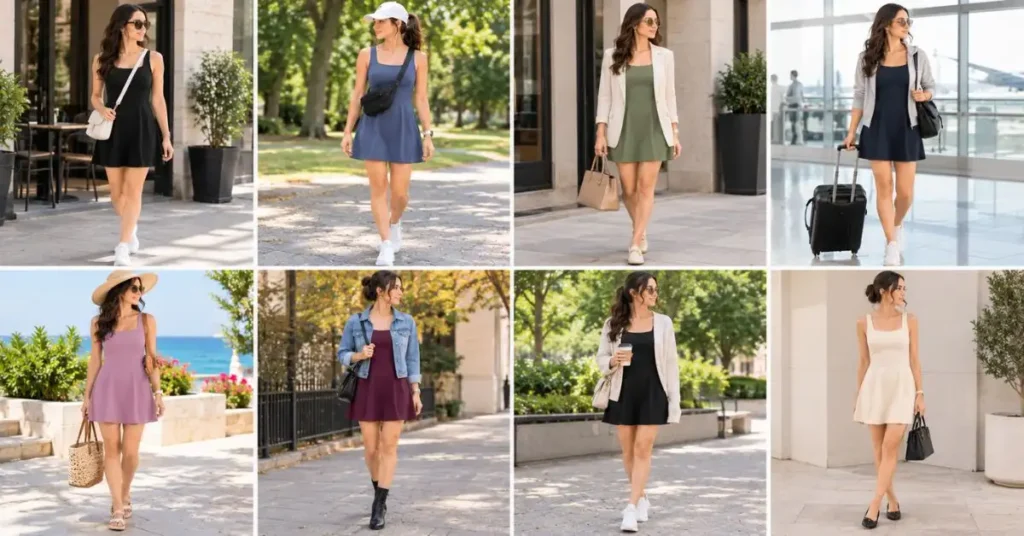
One halara dress can create several different looks when you change the footwear, accessories, and layers around it.
Casual Daytime Look
For an effortless daytime appearance, pair the garment with clean sneakers and a compact crossbody bag.
Keep jewelry minimal and choose sunglasses or a simple cap if appropriate. This combination works particularly well for errands, casual coffee plans, shopping, and relaxed weekend activities.
Sporty Look
Lean into the athleisure influence with sneakers, a baseball cap, and a practical shoulder or crossbody bag.
Keep the color palette coordinated rather than adding several competing statement pieces.
Polished Casual Look
To make the same base look more refined, replace athletic accessories with a structured handbag, understated jewelry, and sleek flats or loafers.
A lightweight blazer can also introduce tailoring without completely changing the relaxed character of the garment.
Travel Look
Comfort becomes especially important when traveling.
Choose supportive footwear and a practical bag. Add a lightweight layer that can be removed easily when temperatures change.
A simple color palette also makes travel styling easier because accessories can work with multiple pieces in your luggage.
Summer Look
During warm weather, keep the styling uncomplicated.
Sandals, sunglasses, a woven bag, and delicate jewelry can create an easy seasonal combination. Avoid adding unnecessary layers unless you expect cooler indoor temperatures.
Transitional-Season Look
When temperatures are unpredictable, layering becomes the easiest solution.
Try a lightweight cardigan, denim jacket, or casual overshirt. Sneakers or ankle boots can shift the look toward fall without making it feel overly heavy.
Weekend Look
For relaxed weekend plans, combine the piece with sneakers, a small shoulder bag, and simple accessories.
The goal is not to make the styling complicated. One strong base with two or three supporting pieces often looks more intentional than an overloaded combination.
Minimalist Look
Minimalist styling depends on restraint.
Choose a neutral color palette, streamlined footwear, and one understated accessory. Avoid adding multiple patterns or statement pieces.
This approach allows the silhouette itself to remain the focus.
How to Choose the Right Halara Dress for Your Body Shape
There is no single silhouette that is universally flattering, and body shape should never be treated as a set of strict fashion rules.
Instead, consider proportion and personal preference.
If you enjoy emphasizing the waist, look for a silhouette that naturally creates definition in that area. If you prefer a relaxed appearance, a looser shape may feel more comfortable.
Length can also influence visual proportion. Some people prefer shorter hemlines with sneakers, while others feel more comfortable in longer designs.
The most useful questions are practical:
- Can you move comfortably?
- Does the garment sit where you want it to?
- Do you like the silhouette from different angles?
- Can you wear it for the amount of time you expect?
- Does it work with the shoes and accessories you already own?
Personal confidence and comfort matter more than following rigid body-shape rules.
What Shoes Go With a Halara Dress?
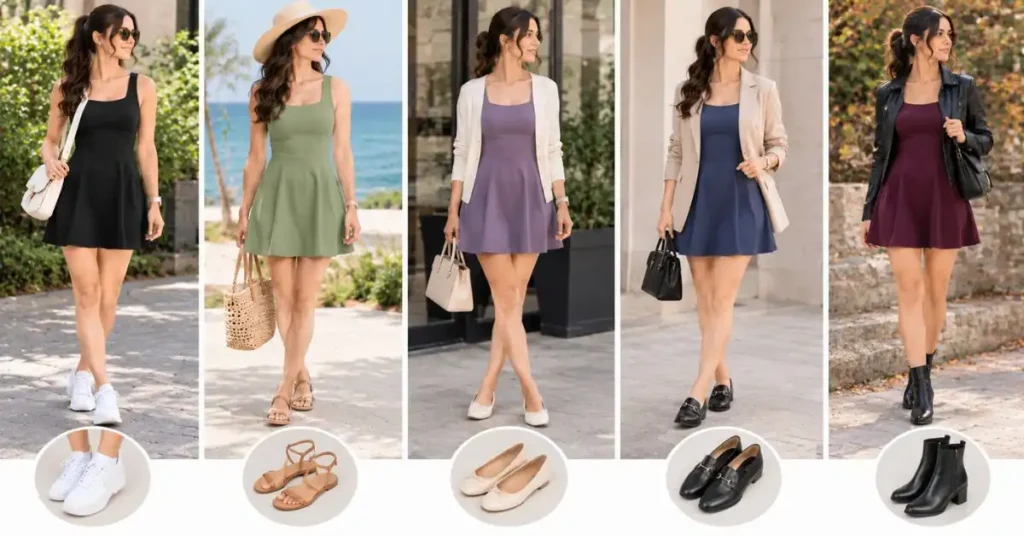
The right shoes can make a Halara dress feel sporty, relaxed, polished, or seasonally appropriate.
Sneakers
Sneakers are the most natural choice for a sporty appearance. White or neutral sneakers can create a clean foundation, while colorful footwear can introduce a stronger accent.
Sandals
Sandals are ideal for warm-weather styling. Simple flat sandals keep the appearance relaxed, while slightly refined styles can make the ensemble feel more polished.
Flats
Ballet flats and other streamlined flats can soften the sporty character of the garment. They work particularly well when paired with a structured handbag and simple jewelry.
Loafers
Loafers introduce a tailored element. This makes them useful when you want to create a smart-casual appearance without moving too far away from the garment’s relaxed character.
Ankle Boots
Ankle boots can work well during transitional weather. Choose a shape that complements the hemline rather than competing with it.
Accessories That Complete the Look
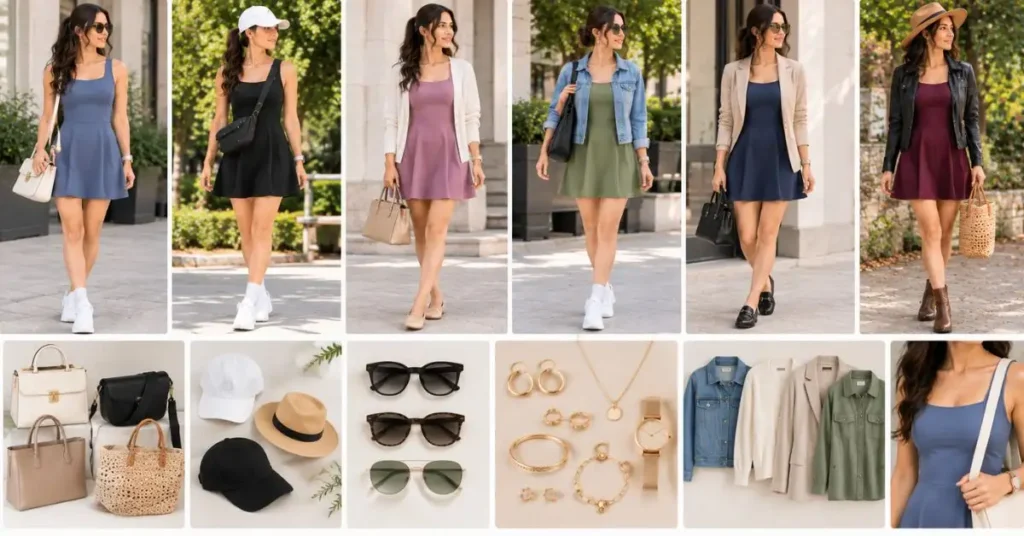
Accessories should support the overall silhouette rather than overwhelm it.
A structured handbag can make a casual piece look more polished. A crossbody bag is practical for everyday activities and travel. A baseball cap can reinforce the sporty influence, while sunglasses provide a simple finishing detail.
Jewelry should match the mood you want to create.
For a relaxed appearance, small hoops, a delicate chain, or a simple watch may be enough. If the garment itself is minimal, slightly more noticeable jewelry can add personality.
Lightweight layers are also useful accessories in a broader sense. A denim jacket, cardigan, blazer, or overshirt can change the appearance of the same base piece without requiring a completely different outfit.
The easiest rule is to select one main supporting element and keep the remaining accessories relatively simple.
How to Style a Halara Dress for Different Seasons
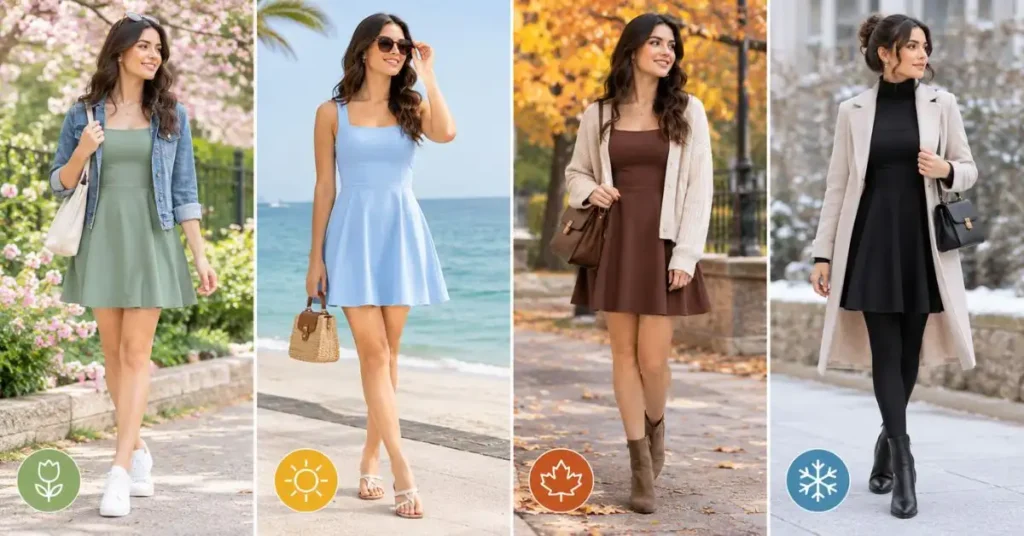
A halara dress can transition between seasons when you use thoughtful layers and weather-appropriate accessories.
Spring
Spring styling works well with lightweight layers and fresh accessories.
Try sneakers with a denim jacket or cardigan. Soft neutrals, pastel shades, and light textures can reinforce the seasonal feeling without requiring an overly colorful wardrobe.
Summer
Summer is the easiest season for a lightweight one-piece look.
Pair it with sandals, sunglasses, and a small handbag. If the garment has a sporty silhouette, delicate accessories can add a feminine contrast.
Fall
Fall gives you more opportunities to experiment with layering.
Add a lightweight sweater, denim jacket, or overshirt. Ankle boots can replace sandals, while a structured handbag can make the look feel more polished.
Mild Winter
In mild winter weather, layering becomes essential.
A fitted long-sleeve top underneath a suitable design can add warmth where appropriate, while a coat or jacket provides another layer.
Always consider the actual construction of the garment before layering. Not every silhouette works comfortably with thick clothing underneath.
If you enjoy seasonal styling, our vacation dresses content can also provide ideas for creating versatile warm-weather wardrobes.
Halara Dress vs. Traditional Casual Dresses
A sporty one-piece style and a traditional casual silhouette can both have a place in a modern wardrobe, but they serve somewhat different styling purposes.
| Feature | Sporty One-Piece Style | Traditional Casual Style |
|---|---|---|
| Overall feel | Relaxed and active-inspired | Casual and often more classic |
| Styling | Works naturally with sneakers | Can work with a wider range of footwear |
| Silhouette | Often streamlined or sporty | May include more varied shapes |
| Activity | Useful for casual movement and everyday plans | Depends heavily on the specific design |
| Layering | Often works with casual layers | May accommodate both casual and polished layers |
| Accessories | Sporty or minimalist | Can range from simple to more decorative |
The choice depends on the look you want and how you expect to wear the garment.
Someone who prefers athletic-inspired styling may naturally gravitate toward a halara dress, while someone who enjoys classic silhouettes may prefer traditional casual pieces for certain occasions.
There is no need to limit your wardrobe to one approach.
How to Build a Complete Halara Outfit
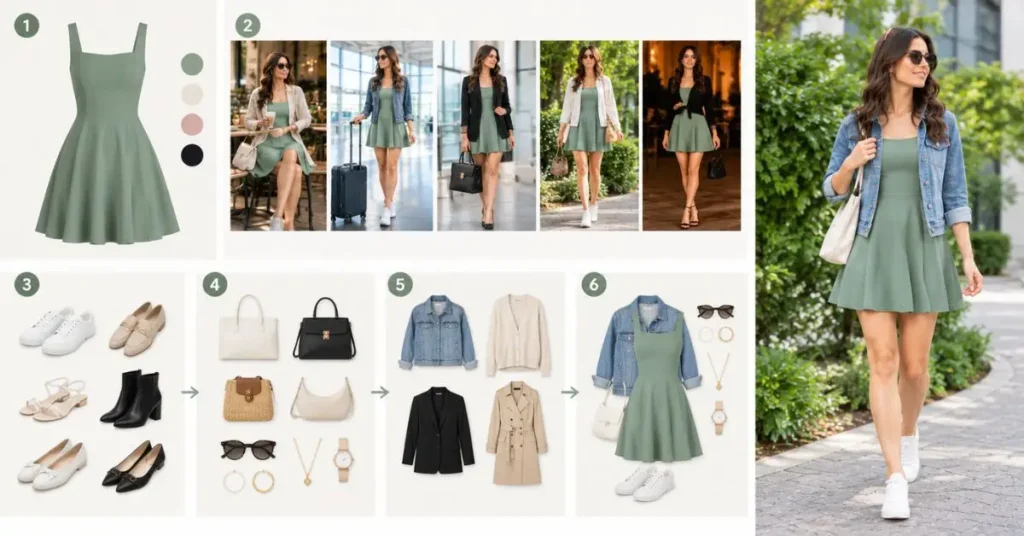
When styling a halara dress, think of the garment as your foundation and build the rest of the outfit around its color, silhouette, and intended use.
1. Choose the Base Piece
Start with the one-piece garment and consider its color, silhouette, and level of visual detail.
2. Consider the Occasion
Ask where you are going.
A coffee date, airport, office-casual environment, weekend walk, and dinner gathering may require very different styling choices.
3. Select Footwear
Choose shoes based on both comfort and the mood you want.
Sneakers create a sporty appearance, while loafers or flats can make the look more polished.
4. Add One or Two Accessories
A handbag and jewelry may be enough.
Avoid adding multiple statement items simply because the outfit feels too simple. Sometimes simplicity is what makes a look sophisticated.
5. Add a Layer if Needed
Use a cardigan, jacket, blazer, or overshirt according to the weather and occasion.
6. Check Proportion and Comfort
Before leaving, look at the complete silhouette.
Make sure the shoes, bag, layer, and garment feel visually balanced and comfortable enough for the day ahead.
Common Styling Mistakes to Avoid
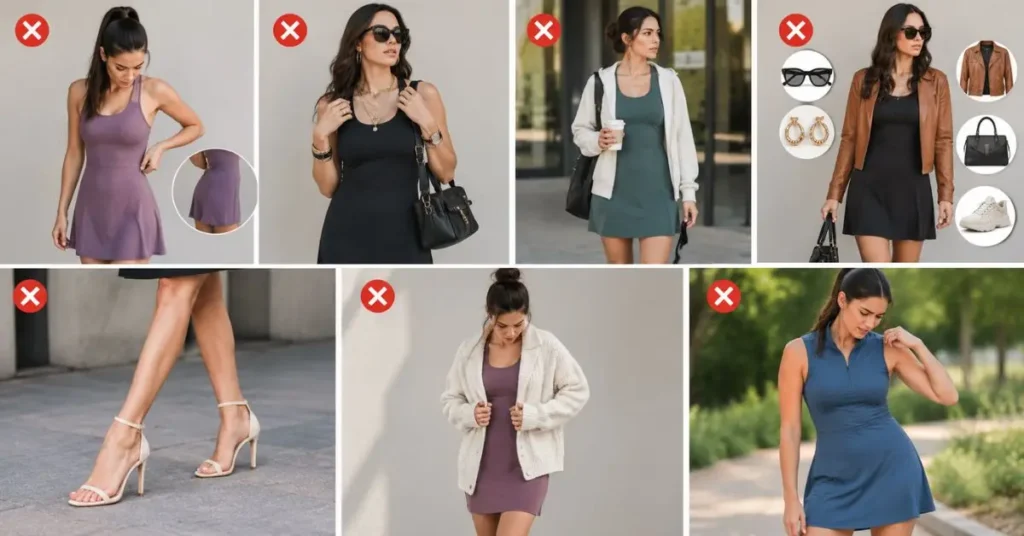
Even a simple garment can lose its impact when styling decisions compete with one another.
Choosing the Wrong Fit
A poor fit can affect both comfort and appearance. Always consider measurements and construction rather than choosing a size based solely on the label.
Over-Accessorizing
Too many accessories can make a sporty silhouette feel visually crowded.
Choose a few intentional details instead.
Ignoring the Occasion
A casual athletic-inspired piece may not suit every formal environment. Consider the dress code before deciding how to style it.
Mixing Too Many Statement Pieces
If your shoes, bag, jewelry, jacket, and sunglasses are all attention-grabbing, the overall look can become difficult to balance.
Choose one focal point and let the rest support it.
Selecting Unsuitable Footwear
Shoes should complement both the silhouette and the activity.
Beautiful footwear is not useful if you cannot comfortably wear it for the occasion.
Poor Layering
A thick layer over a fitted or structured garment can create unnecessary bulk.
Choose lightweight pieces when the base silhouette is already fitted.
Ignoring Comfort
Fashion should work with your lifestyle.
If you constantly need to adjust a garment, struggle to move, or feel uncomfortable after a short period, the styling may not be practical for you.
How to Care for a Halara Dress
Garment care depends on the specific fabric and construction.
Always begin with the care label attached to the individual piece. Do not assume that every garment from the same brand should be washed or dried in exactly the same way.
In general, pay attention to:
- recommended washing temperature
- machine-wash instructions
- hand-wash requirements
- drying instructions
- ironing limitations
- fabric-specific warnings
Avoid excessive heat when the care label advises against it, as heat can affect certain fabrics and elastic components.
Proper storage also matters. Make sure the garment is completely dry before storing it and avoid overcrowding delicate pieces in a wardrobe.
Is a Halara Dress Worth Adding to Your Wardrobe?
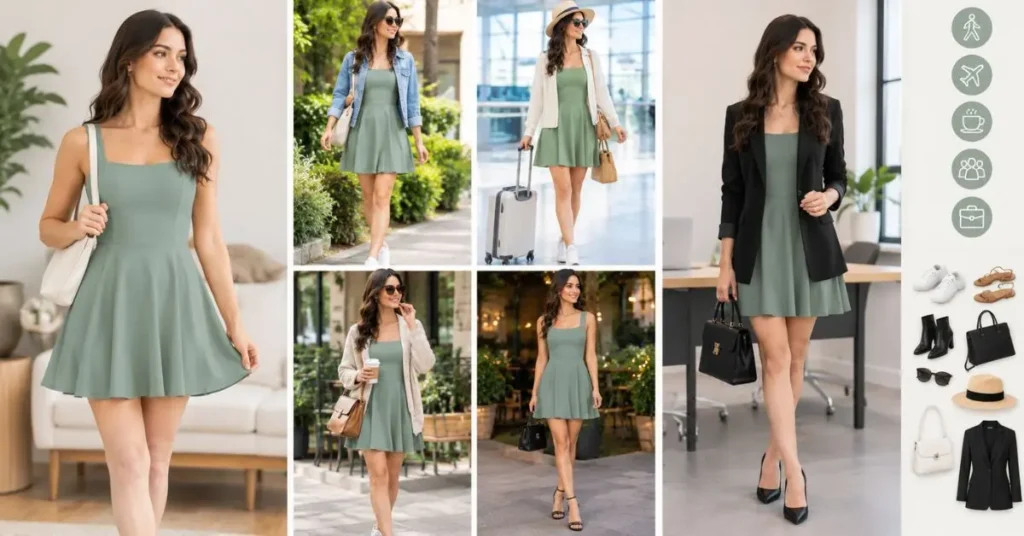
Whether a Halara dress belongs in your wardrobe depends on your lifestyle and personal preferences.
It may appeal to someone who enjoys comfortable, sporty-inspired clothing and wants a one-piece base that can be styled in several ways.
It can also be useful for people who regularly move between errands, casual activities, travel, and relaxed social occasions.
On the other hand, someone who prefers structured tailoring, formal silhouettes, or traditional feminine styling may find other wardrobe categories more suitable for certain occasions.
The most important question is not whether the trend is popular. Ask whether the garment fits your existing lifestyle.
Consider how often you would realistically wear it, whether you already own shoes and accessories that work with it, and whether the silhouette feels comfortable.
A versatile wardrobe is not necessarily the one with the most pieces. It is the one where the pieces you own can work together in multiple useful ways.
If you are building a wardrobe for professional environments as well, you can explore our guide to work dresses for more structured styling ideas.
Final Thoughts
A halara dress can be an easy foundation for comfortable, modern styling when approached with the right balance of practicality and personal expression.
The key is not to rely on the garment alone. Shoes, accessories, layers, proportions, and the occasion all influence the final appearance. A sporty base can become casual, minimalist, polished, or seasonal simply by changing the supporting pieces.
When choosing a style, pay attention to fit, fabric, construction, length, comfort, and care requirements. Rather than following strict fashion rules, focus on what feels natural for your lifestyle.
The best styling choices are often the simplest ones: a well-fitting base, suitable footwear, one useful accessory, and a layer when needed.
For more wardrobe inspiration, you can also explore our guide to medium-length dresses and discover how different proportions can create completely different everyday looks.
Ultimately, modern fashion is about flexibility. A thoughtfully styled one-piece can give you that flexibility while leaving enough room for your own personality to shape the final look.
FAQs
1. What is a halara dress?
A halara dress generally refers to a casual, sporty-inspired one-piece style associated with Halara and the wider athleisure trend. Specific designs can differ in fabric, silhouette, construction, and features, so individual product details should always be checked.
2. How do you style a halara dress?
You can style a halara dress with sneakers, sandals, flats, or ankle boots depending on the occasion. Add a crossbody bag, simple jewelry, sunglasses, or a lightweight layer to change the overall appearance.
3. What shoes go with a halara dress?
Sneakers are a natural choice for a sporty look, while sandals work well for warm weather. Flats, loafers, and ankle boots can create more polished or seasonal combinations.
4. Can you wear a halara dress for travel?
Yes, a comfortable one-piece can be practical for travel when paired with supportive footwear and useful accessories. Choose the styling according to your itinerary, weather, and expected activities.
5. Is a sporty one-piece suitable for everyday wear?
It can be suitable for everyday activities such as errands, casual outings, weekends, and relaxed social plans. The most appropriate choice depends on the specific design and the setting.
6. How should I choose the right fit?
Pay attention to the garment’s measurements, silhouette, fabric stretch, and construction. Choose a fit that allows comfortable movement and matches your preferred level of structure.
7. Can I wear a halara dress in cooler weather?
Yes. Depending on the construction, you can add layers such as cardigans, denim jackets, overshirts, blazers, or suitable coats. The best combination depends on the garment’s shape and the weather.
8. How should I care for this type of garment?
Always follow the care label for the individual piece because fabric and construction can vary. Pay particular attention to washing temperature, drying instructions, heat restrictions, and any special-care recommendations.

Zahida Amir is the founder and creative force behind Style Aura Dresses, a multicultural fashion blog celebrating South Asian, Western, and bridal dress styles. With a deep passion for fashion trends and timeless elegance, Zahida Amir curates content that helps readers discover the perfect look for every occasion.
Through Style Aura Dresses, Zahida Amir shares style guides, dress inspiration, and expert fashion tips, blending traditional and contemporary influences to inspire women worldwide.