
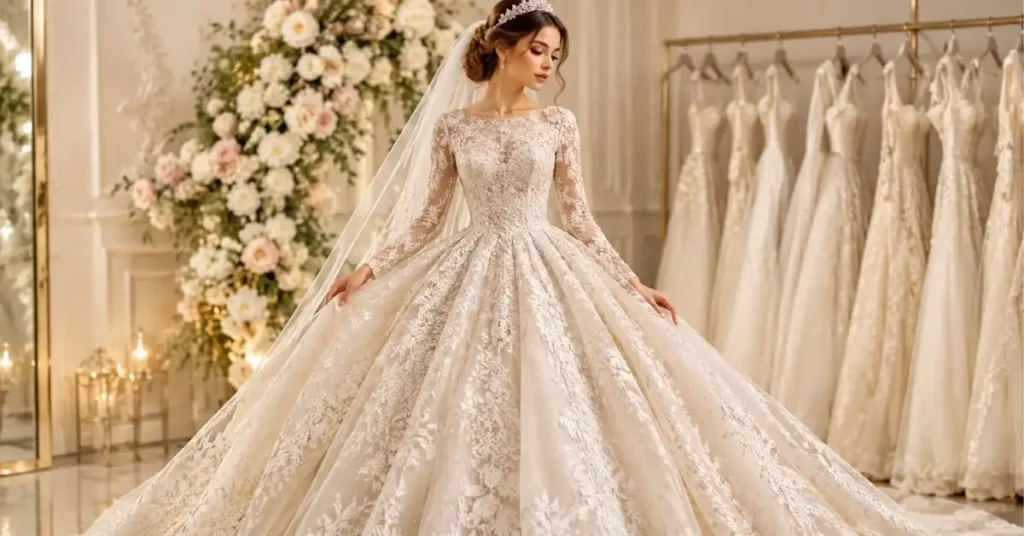
Choosing a wedding gown is one of the most personal parts of preparing for a special day. The right dress for wedding gown should not only look beautiful but also feel comfortable, suit the venue, and reflect your personal style. A dramatic ballroom celebration may call for a different silhouette than a relaxed garden ceremony, while summer and winter weddings can influence fabric choices.
Instead of choosing a design simply because it looks attractive on a hanger, think about how it will move, fit, and feel throughout the celebration. Silhouette, fabric, neckline, sleeves, train, and accessories all contribute to the finished look. With a little planning, finding a dress for wedding gown can become a more enjoyable and confident experience.
What Makes a Dress for Wedding Gown Stand Out?
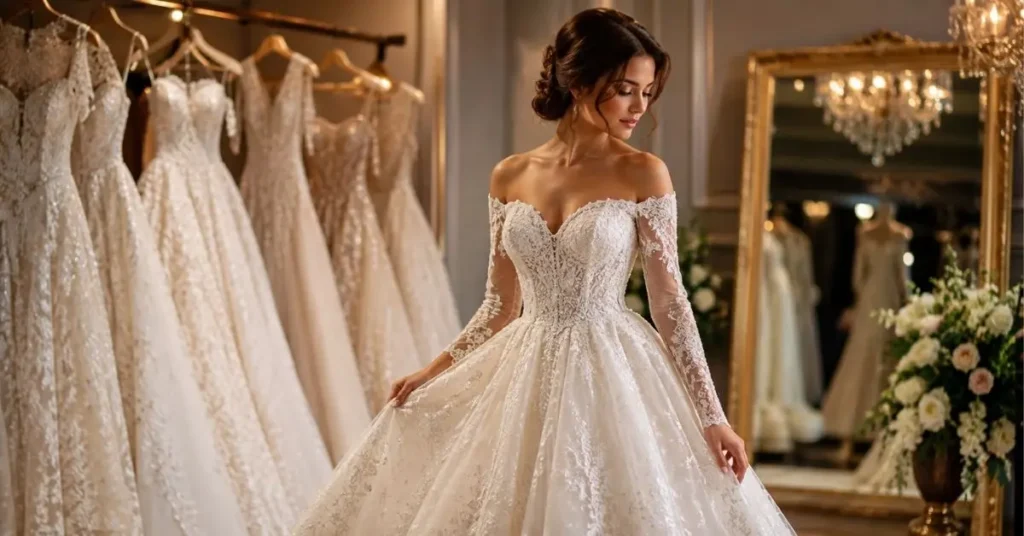
A memorable dress for a wedding gown usually has a balanced combination of shape, fabric, detail, and fit. A gown does not need excessive decoration to look luxurious. In many cases, a well-cut silhouette and beautiful fabric create a stronger impression than too many embellishments.
The silhouette is one of the first details to consider. It affects how the garment falls and how easily you can move. Necklines and sleeves also influence the overall character, while details such as lace, embroidery, beads, or subtle shimmer can add personality.
Fit is equally important. Even an elaborate gown can look less polished if it does not sit comfortably. Proper alterations can improve the shape while making it easier to walk, sit, and enjoy the celebration.
Popular Styles to Consider
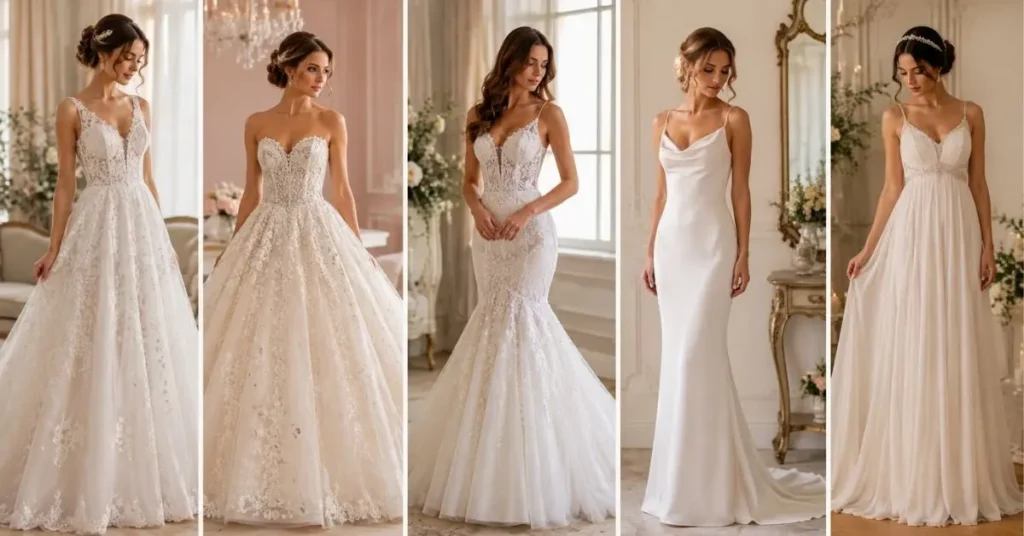
Different silhouettes create different moods. When selecting a dress for wedding gown, consider both the appearance you love and the level of comfort you need.
A-Line Gowns
A-line gowns gradually widen from the waist, creating a classic and versatile shape. They can work well for traditional ceremonies, outdoor celebrations, and formal receptions.
This silhouette is also useful when you want a graceful appearance without the volume of a full ball gown.
Ball Gowns
Ball gowns create a dramatic bridal look through a fitted bodice and fuller skirt. They are particularly suitable for grand venues and traditional wedding themes.
A structured fabric can enhance the shape, while softer materials can create a more romantic effect.
Mermaid Styles
Mermaid silhouettes are fitted through much of the body before becoming wider toward the lower portion. They create a striking and glamorous appearance.
Because the shape is more fitted, movement and comfort should be considered before choosing this option.
Column and Sheath Styles
Column and sheath silhouettes have a cleaner, more streamlined appearance. They can suit modern ceremonies, minimalist themes, and elegant evening celebrations.
A simple silhouette can also provide an excellent base for statement earrings, a detailed veil, or sophisticated footwear.
Empire-Waist Gowns
An empire waist sits higher than the natural waistline and creates a soft, flowing shape. This style can give a relaxed and romantic feeling, particularly when made from lightweight fabrics.
How to Choose the Right Dress for Wedding Gown
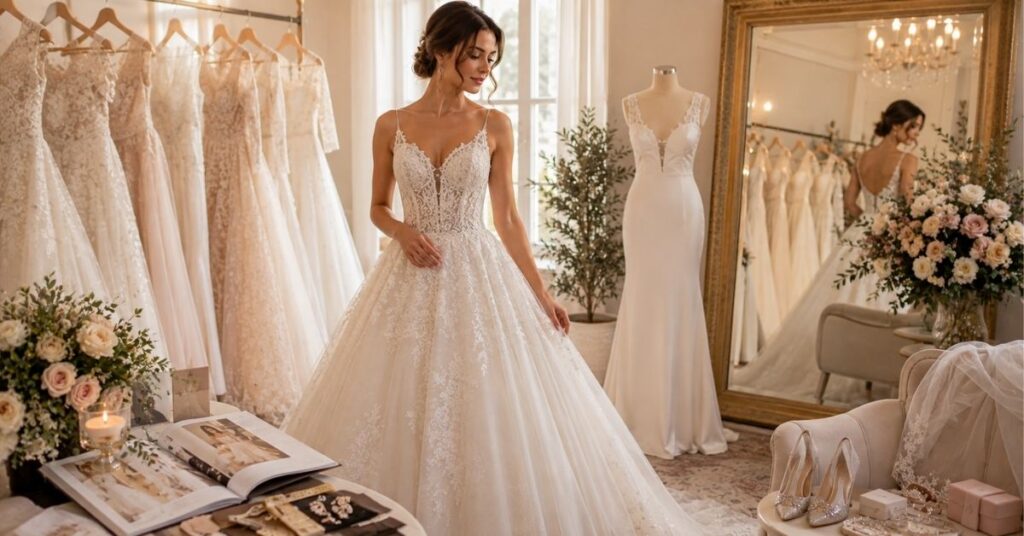
Finding the ideal dress for wedding gown becomes easier when you consider the practical details before focusing on decoration.
1. Consider the Wedding Venue
The location can guide your choice. A formal ballroom may suit a structured gown with a longer train, while an outdoor setting may be easier with a lighter silhouette.
2. Think About the Season
Weather can affect comfort. Lightweight fabrics may be preferable for warm conditions, while layered or more structured materials can work well for cooler celebrations.
3. Choose a Flattering Silhouette
Think about the shapes you normally feel comfortable wearing. The goal is not to follow a rule about body type but to select a silhouette that makes you feel confident.
4. Select a Suitable Fabric
Fabric affects movement, structure, texture, and comfort. Consider how the material feels against your skin and how it behaves during the ceremony and reception.
5. Consider Comfort and Movement
You may spend several hours standing, walking, sitting, dancing, and greeting guests. A beautiful dress for wedding gown should allow enough movement for these activities.
6. Match the Wedding Theme
The gown should feel connected to the overall atmosphere. A romantic garden ceremony may call for soft details, while a formal evening celebration can support a more polished and dramatic design.
7. Think About Alterations
Even a well-made gown may need adjustments. Allow enough time for professional alterations so the final fit feels comfortable and secure.
8. Set a Realistic Budget
Consider the complete cost rather than only the initial garment price. Alterations, accessories, shoes, and other finishing pieces may also be part of the overall budget.
Best Fabrics for a Wedding Gown
Fabric can completely change the appearance and feel of a dress for wedding gown. Each material has its own qualities.
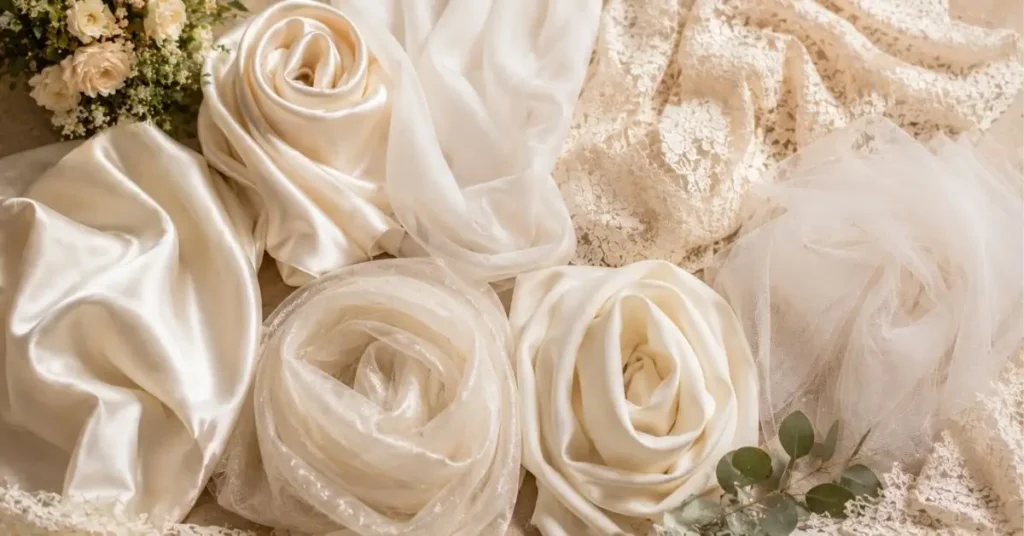
- Satin: Smooth and polished, with a structured appearance that works well for formal celebrations.
- Silk: Lightweight and naturally luxurious, making it suitable for refined and elegant bridal looks.
- Chiffon: Soft and flowing, often preferred when a light, graceful appearance is desired.
- Lace: Adds texture and romantic detail without requiring heavy decoration.
- Tulle: Lightweight and airy, often used for fuller skirts, veils, and layered details.
- Organza: Crisp and slightly structured, making it useful for creating volume.
- Crepe: Smooth with a fluid drape, making it suitable for simple and modern silhouettes.
The best option depends on the venue, season, silhouette, and personal comfort.
How to Style Your Wedding Look
Once you have selected your dress for wedding gown, accessories should enhance the overall appearance rather than compete with it.
Start with footwear. Choose shoes that complement the length and formality of the gown while remaining comfortable enough for extended wear.
Jewelry should follow the neckline and overall design. A detailed gown may look best with simpler jewelry, while a minimalist silhouette can support a more noticeable necklace or earrings.
A veil can add traditional elegance, while hair accessories can provide a modern finishing touch. Consider your hairstyle before choosing these pieces so that everything works together.
Makeup should also complement the mood of the ceremony. A soft bridal look may suit a romantic gown, while a more defined evening style can work with a dramatic silhouette.
Finally, consider comfort. Secure undergarments, suitable footwear, and a practical outer layer can make a significant difference during a long celebration.
Dress for Wedding Gown Ideas for Different Wedding Settings
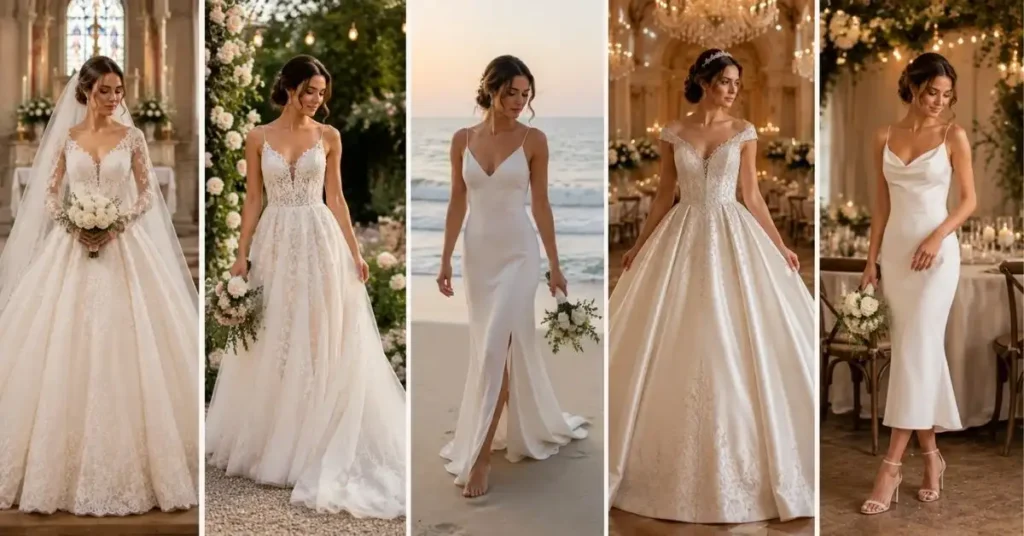
The setting can help narrow down your choices when selecting a dress for wedding gown.
Church or Traditional Wedding
A classic A-line or ball gown can work beautifully for a traditional ceremony. Lace sleeves, a veil, and a longer train can add a formal touch.
Garden Wedding
For an outdoor garden ceremony, consider a flowing silhouette made from chiffon, tulle, or another lightweight material. Delicate lace or floral-inspired details can complement the surroundings.
Beach Wedding
A beach ceremony often benefits from a lighter gown that allows easy movement. Avoid unnecessarily heavy construction and consider a simple silhouette with minimal layers.
Ballroom Wedding
A grand ballroom provides an opportunity for a more dramatic design. Ball gowns, structured satin, elaborate trains, and refined embellishments can create an elegant evening appearance.
Small or Intimate Wedding
An intimate celebration gives you more freedom to choose something simple. A sheath, column, or shorter silhouette can feel polished without looking overly formal.
Common Mistakes to Avoid
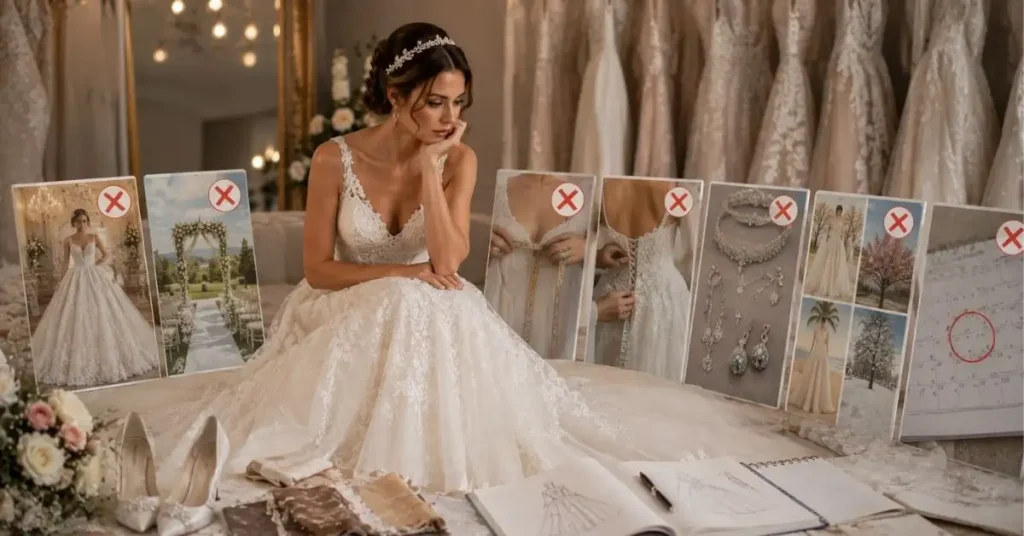
Even when you find a beautiful dress for a wedding gown, a few mistakes can affect the final experience.
Choosing style over comfort: A gown that looks stunning but restricts movement may become difficult after several hours.
Ignoring the venue: A very heavy design may not be practical for an outdoor summer ceremony.
Buying the wrong size: Avoid choosing a size based only on a number. Proper measurements are more useful.
Forgetting alterations: Small adjustments can make a significant difference to fit and comfort.
Over-accessorizing: Too many statement pieces can distract from the main garment.
Ignoring the season: Fabric and layering should reflect the expected weather.
Waiting too long: Ordering and alterations may take time, so avoid leaving everything until the last minute.
How to Make a Dress for Wedding Gown Feel Personal
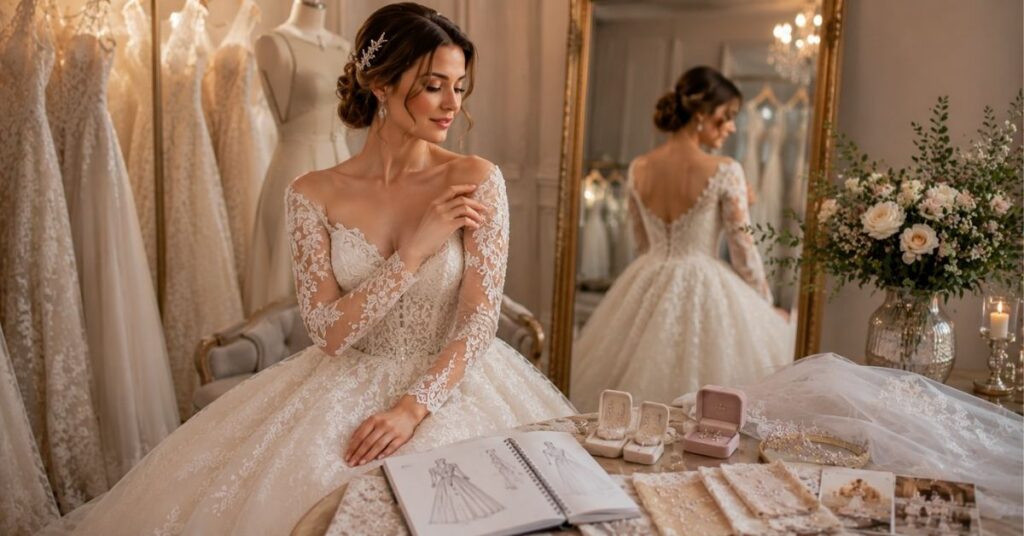
Your dress for wedding gown does not have to follow every traditional bridal convention. Personal details can make the final look more meaningful.
Consider adding delicate embroidery, a special lace detail, personalized sleeves, or a neckline that reflects your preferred style. Jewelry can also carry sentimental value, especially when it has been passed down through the family.
A veil, hairpiece, or subtle color detail can add individuality without changing the entire design. Custom alterations are another option when you want a more personal fit.
The most successful bridal looks usually feel authentic to the person wearing them. Trends can inspire, but your comfort and personality should remain central to the decision.
Conclusion
Choosing the right dress for wedding gown is about finding a balance between beauty, comfort, personal style, and practicality. The perfect choice does not have to follow every trend or include elaborate decoration. What matters most is how confidently and comfortably you feel wearing it. Think about your venue, season, silhouette, fabric, budget, and styling details before making a final decision. Whether you prefer a classic ball gown, a graceful A-line, a sleek column style, or a romantic flowing design, choose a dress for wedding gown that feels genuinely suited to you and the celebration you have planned.
FAQs
What should I look for in a wedding gown?
Choose a wedding gown that suits your venue, season, personal style, and comfort needs.
Consider the silhouette, fabric, neckline, length, and overall level of formality before making a choice.
A well-balanced design should make you feel comfortable while complementing the setting and celebration.
Which wedding gown style is most flattering?
A-line, ball gown, mermaid, and sheath styles can all create beautiful and distinctive silhouettes.
The most suitable option depends on your preferred fit, comfort, personal style, and the look you want to achieve.
Choose a gown that allows you to move comfortably and feel confident throughout the celebration.
What fabric is best for a wedding gown?
Satin, silk, chiffon, lace, tulle, and crepe are popular choices for wedding gowns.
Each fabric creates a different effect, from structured and polished to soft, romantic, and flowing.
Consider the season, venue, gown design, and comfort when selecting the most suitable fabric.
When should I choose my wedding gown?
It is helpful to start looking for your wedding gown well before the wedding date.
Allow enough time for comparing styles, ordering the gown, fittings, alterations, and final adjustments.
Starting early can also give you more flexibility when choosing the silhouette, fabric, and finishing details.
How can I make my wedding gown more comfortable?
Choose the correct size and have the gown professionally altered for a comfortable and secure fit.
Breathable fabrics, suitable undergarments, supportive footwear, and manageable gown weight can also improve comfort.
Try walking, sitting, and moving in the gown before the wedding to identify any areas that need adjustment.

Zahida Amir is the founder and creative force behind Style Aura Dresses, a multicultural fashion blog celebrating South Asian, Western, and bridal dress styles. With a deep passion for fashion trends and timeless elegance, Zahida Amir curates content that helps readers discover the perfect look for every occasion.
Through Style Aura Dresses, Zahida Amir shares style guides, dress inspiration, and expert fashion tips, blending traditional and contemporary influences to inspire women worldwide.