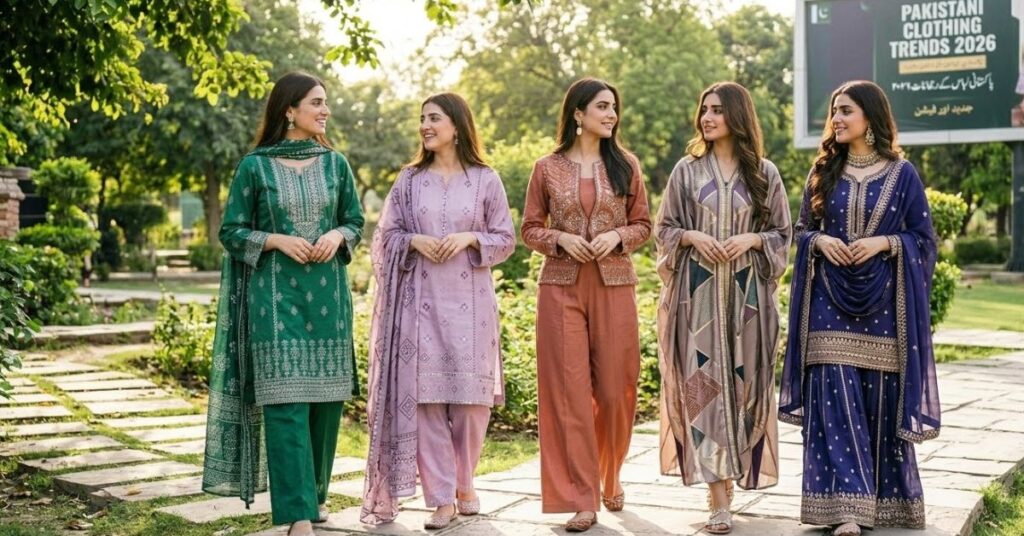
Pakistani clothing trends have evolved into a powerful blend of tradition, elegance, and modern fashion influence. From richly embroidered formal wear to simple everyday outfits, Pakistan’s fashion industry reflects cultural heritage while continuously adapting to global styles. Over the years, these trends have gained popularity not only within the country but also internationally among fashion lovers who admire South Asian aesthetics. Today, Pakistani clothing trends are no longer limited to traditional attire; they now include fusion wear, minimalist designs, and modern silhouettes that appeal to younger generations.
What Are Pakistani Clothing Trends?
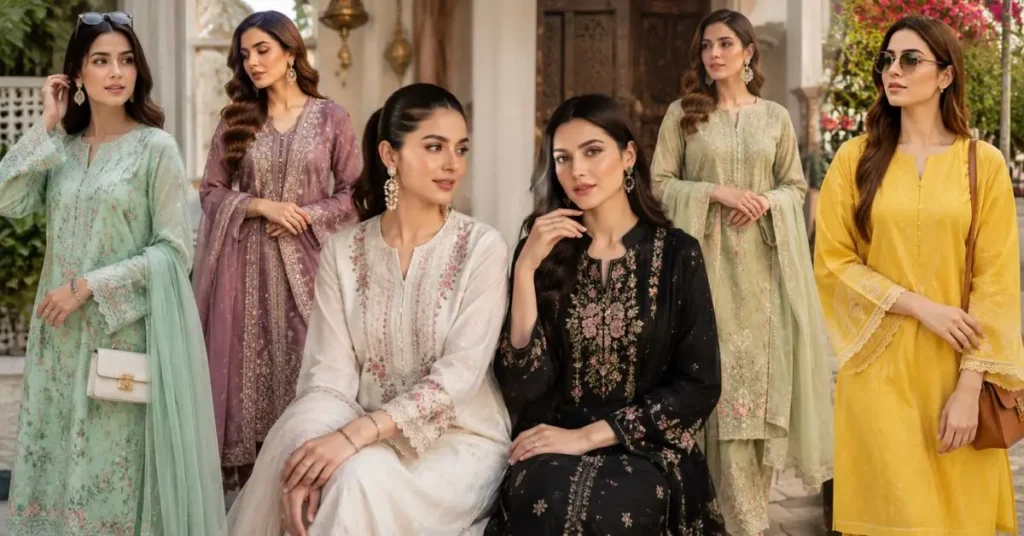
Pakistani clothing trends refer to the evolving styles, designs, and fashion choices commonly worn in Pakistan. These trends are influenced by cultural traditions, seasonal changes, celebrity fashion, and global fashion movements.
They typically include:
- Traditional eastern wear
- Contemporary fusion outfits
- Formal embroidered ensembles
- Casual everyday clothing
- Seasonal collections like lawn and winter wear
What makes Pakistani clothing trends unique is their balance between modesty and elegance. Designers focus on creating outfits that reflect cultural values while still looking modern and stylish.
Evolution of Pakistani Fashion Industry
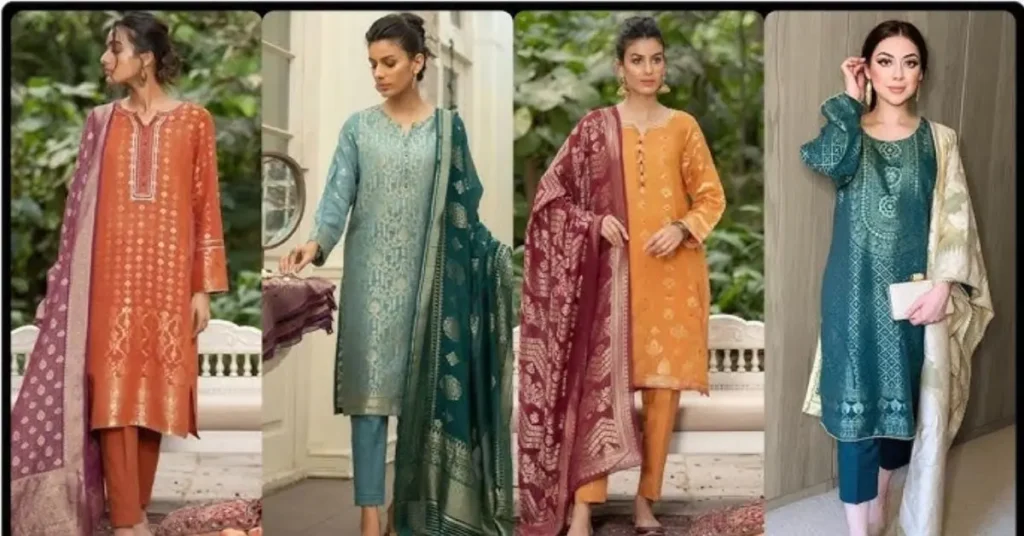
The fashion industry in Pakistan has grown significantly over the past few decades. Earlier, clothing was mostly traditional, with hand-embroidered fabrics and cultural designs dominating the market.
However, modern Pakistani clothing trends have transformed due to globalization and digital influence. Fashion weeks, social media, and celebrity culture have introduced new design perspectives.
Key changes include:
- Shift from purely traditional to fusion wear
- Introduction of luxury designer brands
- Expansion of ready-to-wear collections
- Influence of international fashion styles
Today, Pakistan’s fashion industry is recognized globally for its creativity and craftsmanship.
Popular Fabrics in Pakistani Fashion
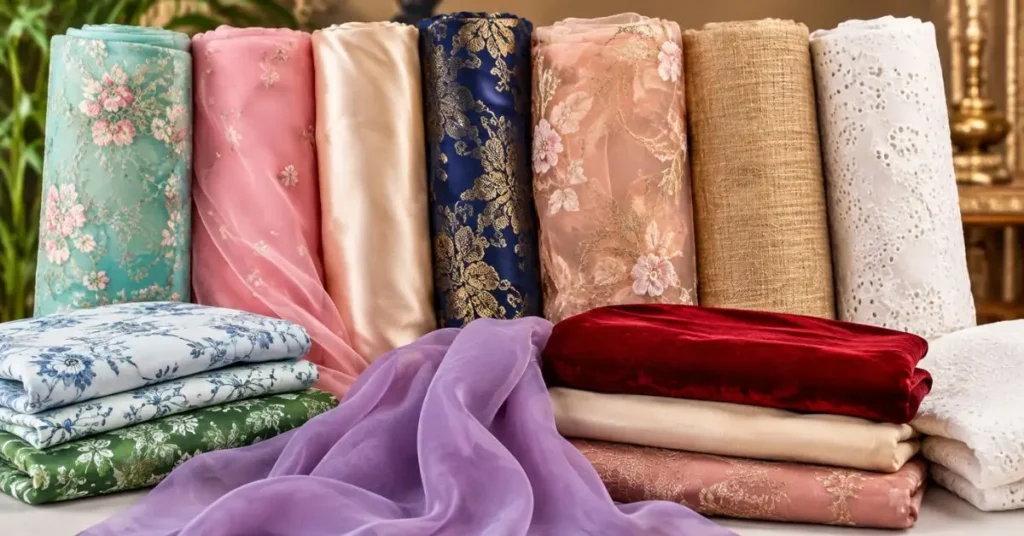
Fabric selection plays an important role in shaping Pakistani clothing trends. The right fabric can affect an outfit’s comfort, appearance, movement, and suitability for a particular season or occasion. Pakistani designers carefully select materials according to the weather, style, and level of formality.
Common Fabrics Include:
- Lawn: Lightweight, breathable, and comfortable, making it one of the most popular choices for hot summer days. It is commonly used for printed and embroidered everyday outfits.
- Chiffon: Soft and flowy, chiffon is widely used for formal dresses, dupattas, sleeves, and elegant evening outfits. Its delicate appearance adds a graceful touch to any look.
- Silk: Known for its smooth texture and luxurious appearance, silk is often used for premium formal wear, wedding outfits, sarees, and festive collections.
- Cotton: Comfortable, breathable, and easy to wear, cotton is ideal for daily clothing and casual outfits. It is especially popular during warm weather.
- Organza: Lightweight yet structured, organza is frequently used for festive and wedding attire. It works particularly well for dupattas, sleeves, borders, and statement details.
- Khaddar: A warm and textured fabric that is especially popular during winter. It is commonly used for comfortable casual and semi-formal outfits.
Choosing the Right Fabric
The best fabric depends on the season, occasion, and desired look. Lightweight materials such as lawn and cotton work well for summer, while velvet, khaddar, and heavier fabrics are better suited to winter. For weddings and formal events, silk, chiffon, and organza can create a more luxurious and sophisticated appearance.
Each fabric brings its own texture, comfort, and visual appeal, making Pakistani clothing trends diverse and versatile. This wide variety allows fashion lovers to find suitable styles for everything from everyday wear to festive celebrations and formal occasions.
Modern vs Traditional Styles
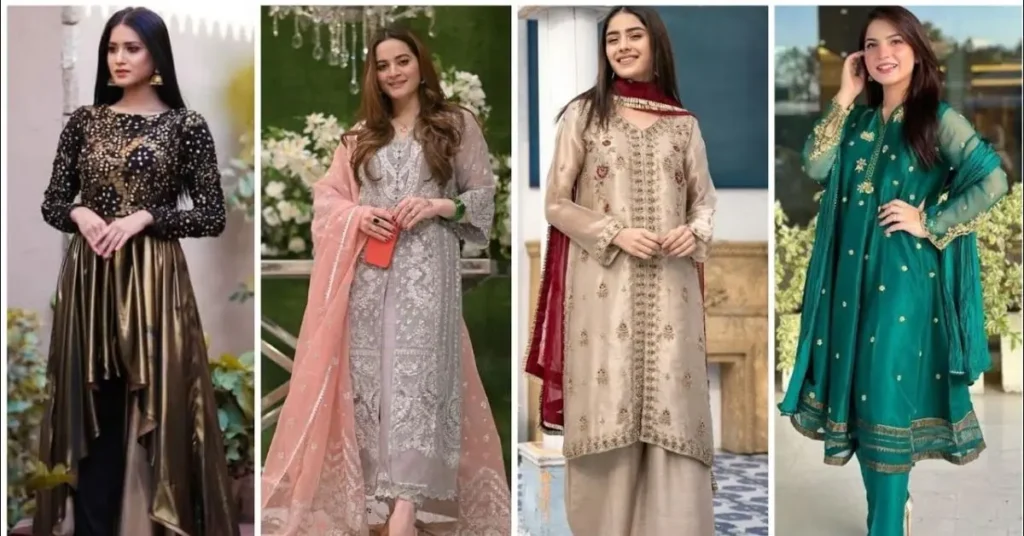
One of the most interesting aspects of Pakistani clothing trends is the contrast between modern and traditional styles.
Traditional Style:
- Heavily embroidered outfits
- Cultural patterns and motifs
- Long flowing silhouettes
- Rich colors like red, gold, and green
Modern Style:
- Minimalist designs
- Straight cuts and structured shapes
- Neutral and pastel tones
- Fusion of Western and Eastern fashion
Many people today prefer combining both styles to create a unique and balanced look.
Seasonal Fashion Trends in Pakistan
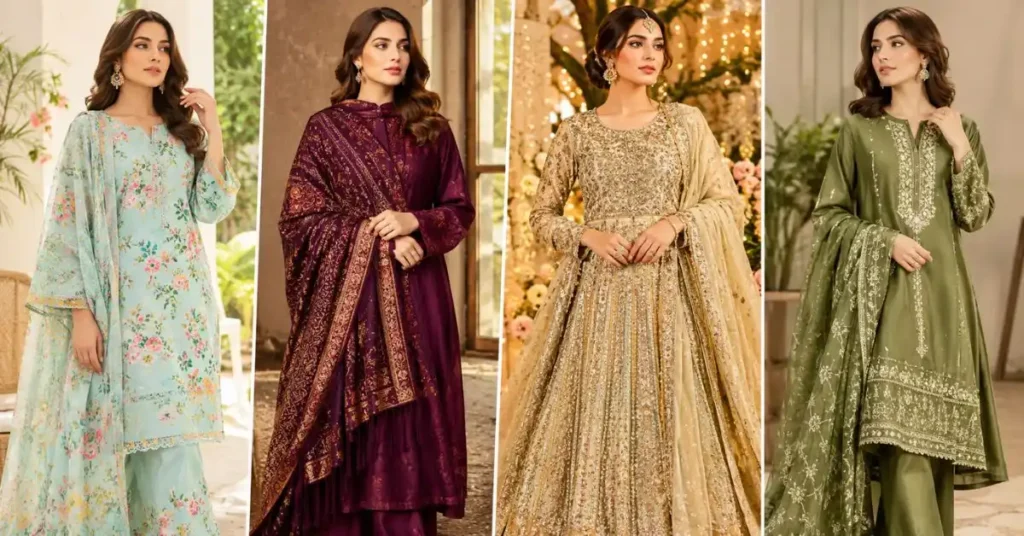
Seasonal changes have a strong influence on Pakistani clothing trends. Fashion choices often depend on the weather, fabric comfort, cultural events, and the type of occasion. From lightweight summer outfits to warm winter layers and glamorous festive wear, every season brings its own unique fashion styles.
Summer Fashion
During the hot summer months, lightweight and breathable fabrics such as lawn, cotton, and linen are highly popular. Women often prefer comfortable outfits with bright colors, floral prints, digital patterns, and soft pastel shades. Loose-fitting silhouettes and three-piece suits are also common choices for everyday wear.
Winter Fashion
Winter fashion focuses on warmth, layering, and rich textures. Fabrics such as wool, velvet, khaddar, linen, and knitted materials become popular during colder months. Deep shades like maroon, navy blue, bottle green, brown, and black are often seen in winter collections. Embroidered shawls, stylish coats, cardigans, and layered outfits add both warmth and elegance.
Festive Season
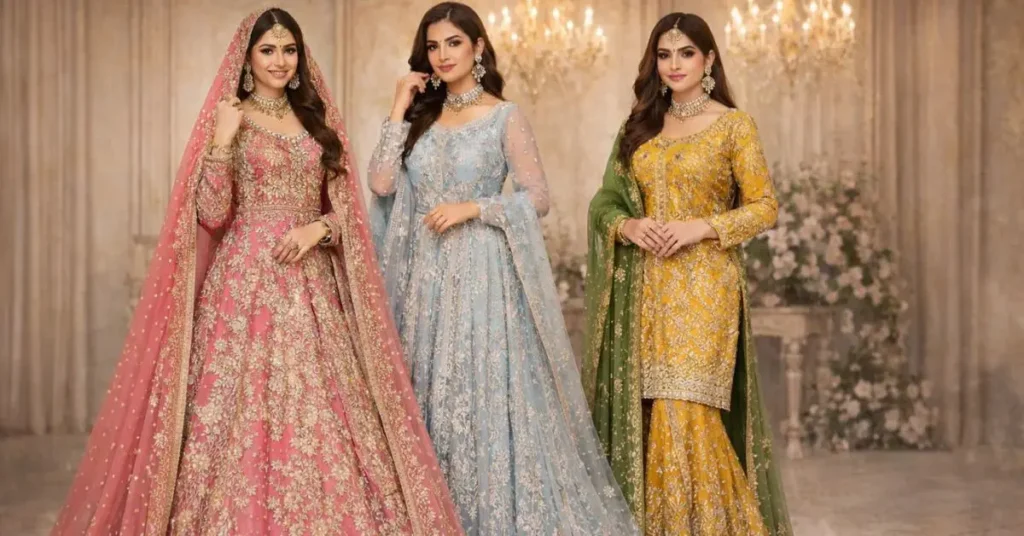
Eid celebrations, weddings, and other festive occasions bring some of the most glamorous Pakistani fashion trends. Heavily embellished outfits featuring embroidery, sequins, zari work, pearls, and intricate detailing become the center of attention. Traditional styles such as lehengas, shararas, ghararas, Anarkali suits, and formal three-piece outfits remain popular choices.
Changing Fashion Preferences
Pakistani fashion continues to combine traditional craftsmanship with modern designs. Designers are experimenting with new cuts, colors, fabrics, and styling techniques while keeping cultural elements alive. This blend of classic and contemporary fashion allows women to choose outfits that feel both stylish and connected to Pakistani traditions.
Pakistani Clothing Trends in 2026
In 2026, fashion is expected to become more sustainable, minimal, and globally inspired. Designers are focusing on eco-friendly fabrics and versatile outfits that can be styled in multiple ways.
Key 2026 trends include:
- Minimal embroidery with modern cuts
- Earthy and pastel color palettes
- Fusion of eastern and western silhouettes
- Sustainable and eco-conscious fabrics
- Digital and geometric prints
These updates show how Pakistani clothing trends continue to evolve with time while maintaining cultural roots.
Celebrity Influence on Fashion
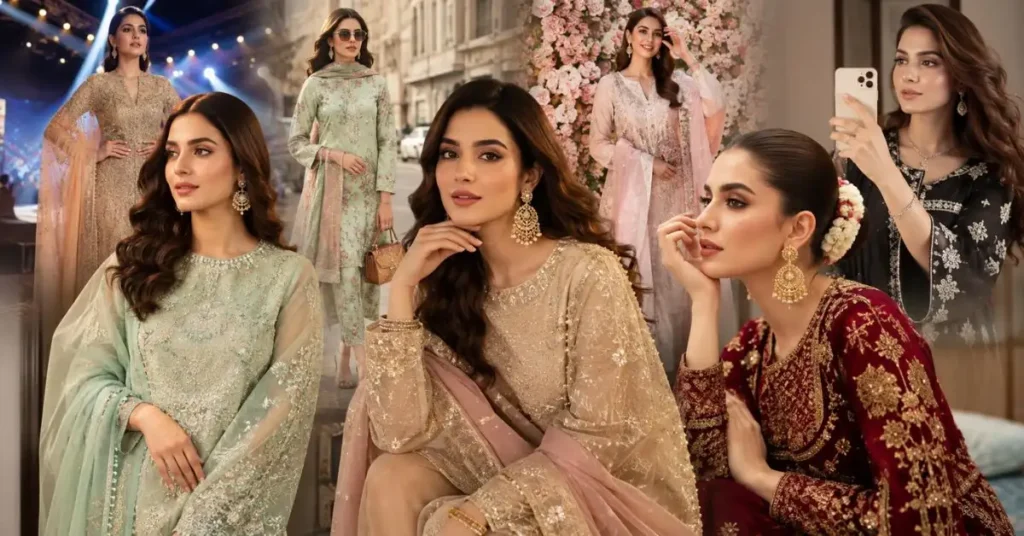
Celebrities play a major role in shaping Pakistani clothing trends. Actors, models, designers, and social media influencers often introduce new styles through television dramas, fashion campaigns, photoshoots, award shows, and public appearances. Their outfits can quickly influence what people choose for everyday wear and special occasions.
When a popular celebrity wears a particular color, fabric, cut, or traditional design, it often gains attention among fashion lovers. For example, embroidered suits, statement sleeves, elegant sarees, modern shalwar kameez, and heavily embellished formal outfits can become highly desirable after being featured by well-known personalities.
Social media platforms such as Instagram, TikTok, and YouTube have made this influence even stronger. Celebrities and influencers regularly share outfit ideas, styling tips, and behind-the-scenes fashion looks with millions of followers. As a result, new trends can spread across Pakistan within a very short time.
This celebrity-driven fashion culture has also encouraged people to experiment with traditional and modern styles. Many women now combine classic Pakistani clothing with contemporary accessories, footwear, and styling techniques to create a more personalized look.
Overall, celebrity influence continues to make Pakistani fashion more dynamic, creative, and fast-changing while keeping traditional clothing relevant to modern audiences.
Best Styling Tips for Pakistani Fashion
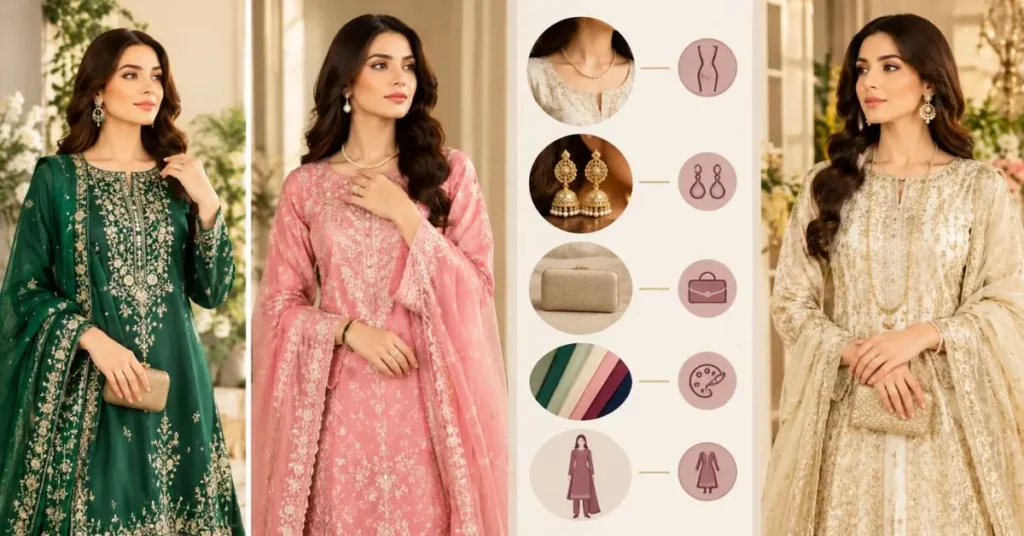
To make the most of Pakistani clothing trends, styling is very important. Here are some simple yet effective tips:
- Choose outfits according to your body type
- Keep accessories balanced and not overdone
- Match colors with skin tone and occasion
- Mix traditional and modern elements for a unique look
- Focus on comfort along with style
Good styling enhances the overall appearance and makes any outfit stand out.
Why Pakistani Fashion Is Gaining Global Attention
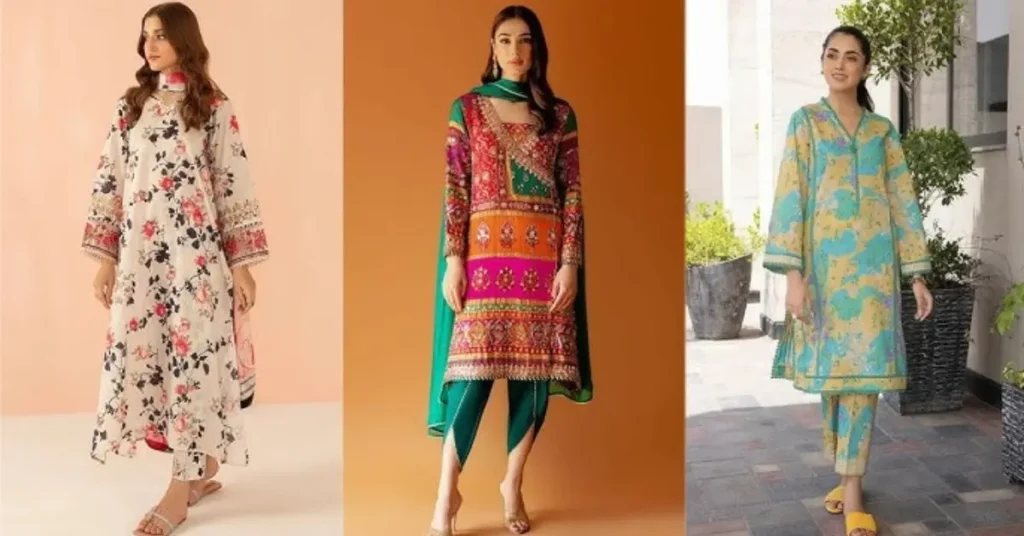
In recent years, Pakistani fashion has gained growing attention beyond South Asia. Pakistani clothing trends are being appreciated internationally for their detailed craftsmanship, elegant designs, vibrant colors, and strong cultural identity. Designers are successfully combining traditional techniques with modern cuts, making Pakistani outfits appealing to a wider global audience.
Several factors are contributing to the international popularity of Pakistani fashion:
- Unique Embroidery and Craftsmanship: Intricate embroidery, handwork, embellishments, and traditional techniques give Pakistani outfits a distinctive appearance.
- Elegant Yet Modest Designs: Pakistani clothing often offers stylish silhouettes while maintaining a graceful and modest aesthetic.
- High-Quality Fabrics: Fabrics such as lawn, cotton, silk, chiffon, velvet, and khaddar provide options for different seasons and occasions.
- Cultural Richness: Traditional patterns, regional influences, embroidery styles, and classic silhouettes reflect Pakistan’s diverse cultural heritage.
- Growing Online Fashion Market: E-commerce and social media have made Pakistani clothing easier to discover and purchase by customers around the world.
- Celebrity and Designer Influence: Fashion designers, celebrities, and influencers are helping introduce Pakistani styles to international audiences through social media, fashion campaigns, and global events.
Conclusion
Pakistani clothing trends beautifully combine tradition, creativity, and modern fashion. From elegant everyday outfits and seasonal collections to luxurious formal wear and designer creations, Pakistani fashion continues to evolve while preserving its cultural roots.
The growing influence of modern cuts, fresh colors, detailed embroidery, and contemporary styling has made Pakistani clothing popular both locally and internationally. At the same time, traditional fabrics, patterns, and craftsmanship continue to give these outfits their unique identity.
As fashion trends change, Pakistani clothing remains a powerful expression of culture and personal style. Whether you prefer a simple everyday look or an elaborate formal outfit, Pakistani fashion offers endless choices that reflect elegance, diversity, confidence, and timeless beauty.
FAQs
1. What are Pakistani clothing trends?
They refer to modern and traditional fashion styles commonly worn in Pakistan, including casual, formal, and festive outfits.
2. Why are Pakistani clothing trends popular?
They are popular due to their elegance, cultural richness, and blend of modern and traditional designs.
3. What fabrics are commonly used in Pakistani fashion?
Lawn, cotton, silk, chiffon, and organza are the most commonly used fabrics.
4. Are Pakistani clothing trends changing?
Yes, they are constantly evolving with modern cuts, global influences, and new fashion innovations.
5. Can Pakistani fashion be worn internationally?
Absolutely. Many people worldwide wear Pakistani outfits for weddings, events, and cultural appreciation.
Zahida Amir is the founder and creative force behind Style Aura Dresses, a multicultural fashion blog celebrating South Asian, Western, and bridal dress styles. With a deep passion for fashion trends and timeless elegance, Zahida Amir curates content that helps readers discover the perfect look for every occasion.
Through Style Aura Dresses, Zahida Amir shares style guides, dress inspiration, and expert fashion tips, blending traditional and contemporary influences to inspire women worldwide.