
Quick Answer
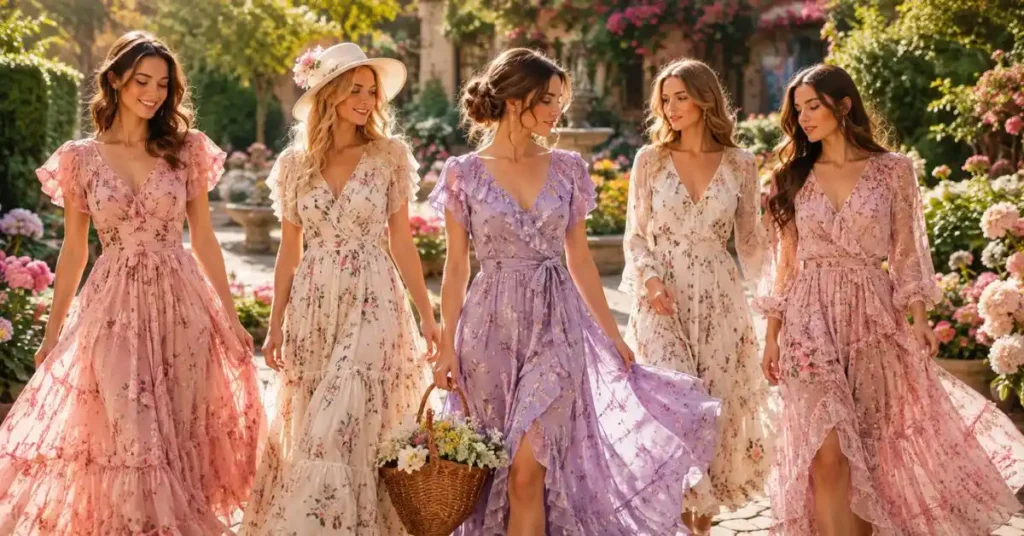
Romantic style dresses feature soft silhouettes, flowing fabrics, delicate prints, and feminine details such as lace, ruffles, and puff sleeves. You can wear them for brunch, vacations, weddings, or evening events by choosing the right length, fabric, color, and accessories. Comfortable shoes and balanced styling help create an elegant outfit.
Author Box
Author: Zahida Amir
Role: Founder & Fashion Content Creator
Experience: Fashion styling, dress trends, outfit inspiration, seasonal fashion, fabrics, clothing care, and everyday wardrobe ideas.
Content Approach: Original fashion research, practical styling guidance, and trusted fashion resources designed to help readers make confident clothing and styling choices.
Introduction
Romantic style dresses bring softness, movement, and feminine details into everyday fashion. From floral midi dresses to flowing maxi styles, these designs offer a way to look elegant without relying on heavy embellishments or complicated outfits. Lace trims, puff sleeves, gentle colors, and flowing skirts can create a graceful appearance for many occasions.
Choosing the right dress, however, takes more thought than selecting a pretty pattern. A lightweight chiffon dress may suit an evening celebration but needs careful handling. A cotton A-line dress may feel more practical for daytime wear, while a satin design can create a polished look for a special event. The best option depends on the weather, occasion, fit, and your personal preferences.
Romantic fashion also works with different style tastes. You can create a soft vintage-inspired outfit, a simple modern look, or a more formal ensemble by changing the shoes, handbag, jewelry, and outerwear.
In this guide, Style Aura Dresses explains the features that define romantic style dresses, how to select suitable fabrics and colors, and how to style these outfits for real-life situations. You will also find outfit combinations, a practical dress-selection checklist, and wardrobe-planning tips to help you choose pieces you can wear confidently and comfortably.
What Are Romantic Style Dresses?
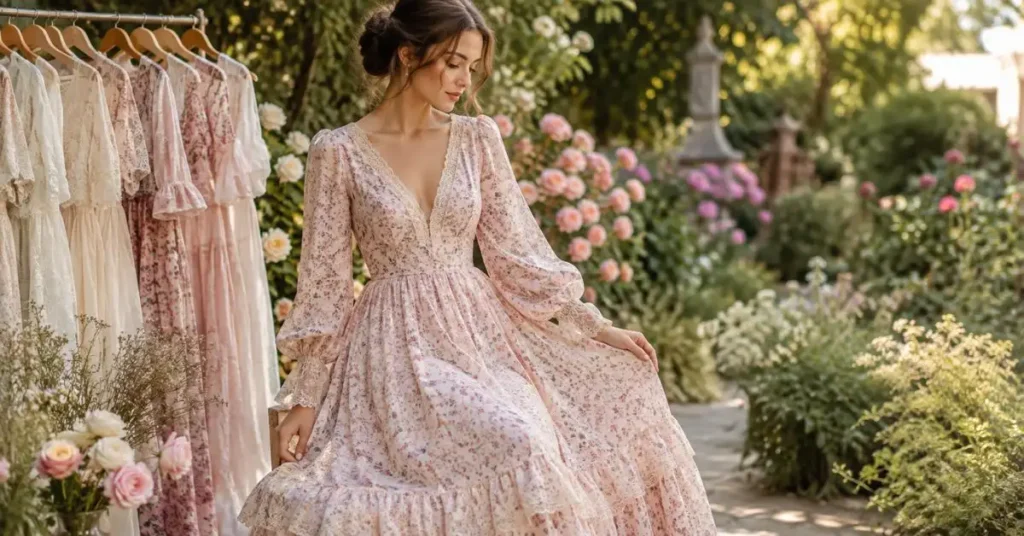
Romantic style dresses are garments that emphasize softness, graceful movement, and delicate design details. They often feature flowing silhouettes, gentle colors, floral patterns, lace, ruffles, gathered waists, or puff sleeves. The overall look feels feminine without requiring every detail to appear in one outfit.
This aesthetic draws inspiration from vintage clothing and traditional feminine silhouettes, but it can also suit modern wardrobes. A simple slip dress with minimal jewelry can create a romantic appearance, while a floral maxi with ruffled sleeves offers a more decorative interpretation.
The silhouette plays an important role. An A-line dress gradually widens from the waist, creating a balanced shape. A wrap dress uses fabric that crosses over the body and ties at the waist. A fit-and-flare dress follows the upper body before opening into a fuller skirt. Each option creates a different effect, so your choice should reflect your comfort and preferred appearance.
Romantic style does not mean that every dress must be pink, floral, or covered in lace. Navy, burgundy, forest green, and other deeper shades can also create a romantic mood. Similarly, clean lines and understated accessories can make the style feel contemporary.
The key is balance. One or two thoughtful details can communicate the aesthetic more effectively than combining numerous decorative features.
If you enjoy lightweight designs for warmer weather, explore these beach dress ideas for inspiration on relaxed silhouettes and practical vacation styling.
Key Features of Romantic Style Dresses
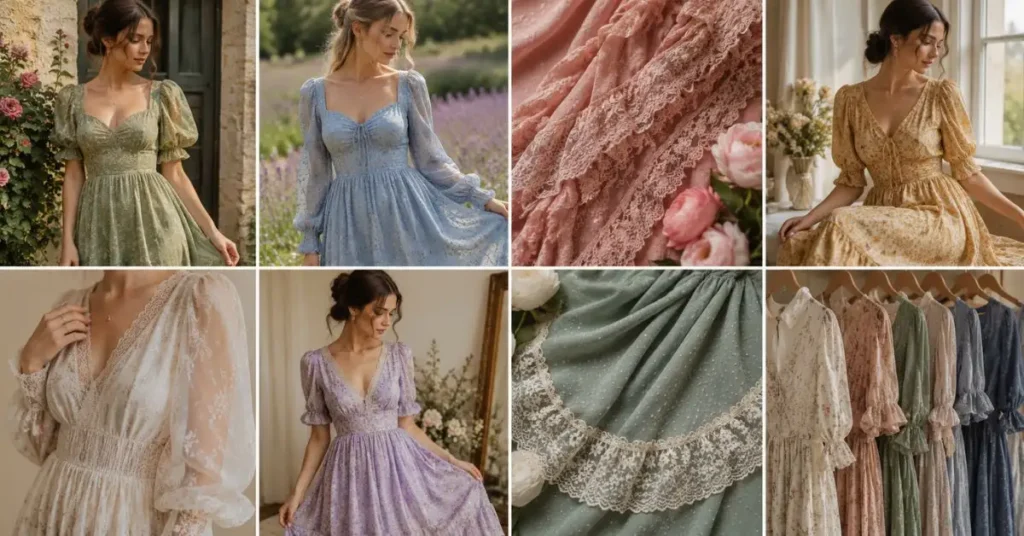
Several design elements help define romantic dresses. Understanding them makes it easier to choose clothing that suits your taste instead of purchasing something simply because it looks attractive in a photograph.
Soft silhouettes create the foundation. Flowing skirts, gently shaped waists, and relaxed cuts allow movement and can make an outfit feel less rigid. However, a loose shape should still fit comfortably around the shoulders, bust, and waist. Excess fabric can overwhelm the outfit if the proportions do not work well together.
Feminine details add character. Common examples include lace trims, ruffled hems, puff sleeves, delicate buttons, tie-front details, and gathered bodices. You do not need all these features in one garment. A simple dress with a square neckline or a small lace detail can look just as romantic as a more elaborate design.
Prints also influence the mood. Small floral patterns often create a delicate appearance, while larger flowers produce a stronger statement. Fine stripes and subtle polka dots can work when you prefer something different from traditional florals.
Color helps bring the outfit together. Cream, ivory, blush, lavender, and dusty blue create a soft palette. Deeper colors such as burgundy and navy offer a richer option for evening wear or cooler seasons.
Fabric determines how these features behave. Chiffon creates movement, cotton often works well for daytime comfort, and satin adds a smooth sheen. Lace introduces texture, while organza can help sleeves or skirts hold their shape.
Choose details according to the occasion and how you plan to wear the garment. A decorative dress may be suitable for a celebration but less convenient for everyday activities. For a practical wardrobe, prioritize comfortable construction, suitable lining, and a fit that allows you to move naturally.
Popular Romantic Dress Silhouettes to Try
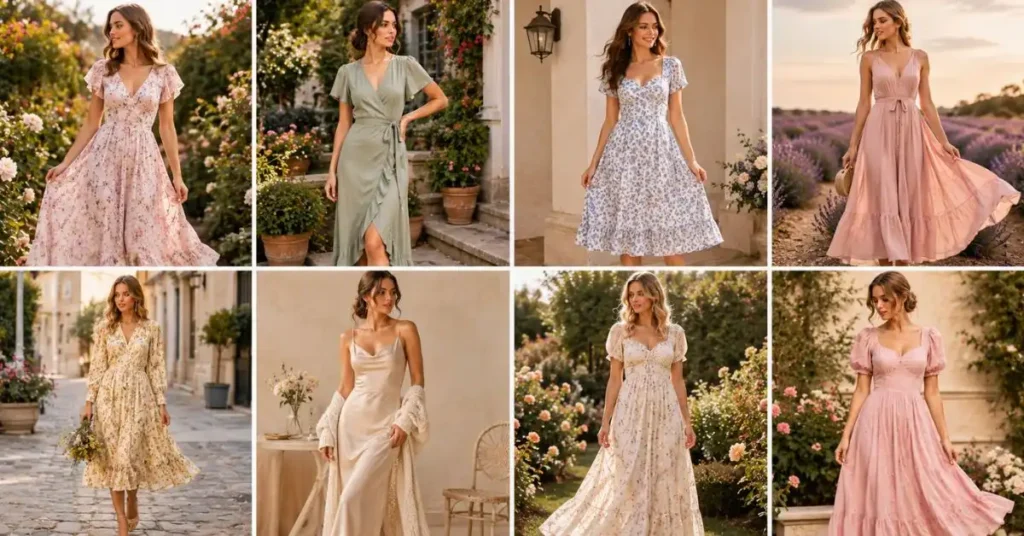
The silhouette is the overall shape of a dress. It affects how the garment moves, where it creates structure, and how easily you can style it for different occasions.
An A-line dress gradually widens from the waist toward the hem. This shape works for casual outings, brunch, and some semi-formal events. It often feels easy to style because you can pair it with flat shoes, sandals, or heels.
A wrap dress crosses over the body and usually fastens with a tie or closure. Its adjustable waist can make it a flexible option, although you should check the neckline and fastening to ensure the dress stays secure while you move.
Fit-and-flare designs provide structure through the bodice and fullness through the skirt. They can suit daytime gatherings and celebrations, especially when the fabric offers enough movement without adding excessive bulk.
Midi dresses end around the middle of the lower leg, although exact lengths vary. They offer a useful balance between coverage and movement. Maxi dresses extend toward the ankles or floor and create a flowing effect, but you should check the hem to avoid tripping.
Slip dresses offer a simpler interpretation of romantic fashion. Their clean lines work well with a cardigan, blazer, or delicate jewelry. Puff-sleeve dresses add volume around the shoulders and can become the focal point of an outfit.
Choose your silhouette based on the setting, fit, and personal taste rather than assuming one shape suits everyone. Try sitting, walking, and raising your arms before deciding whether a dress feels comfortable.
A Practical Silhouette Guide
- For everyday wear: Try cotton A-line or relaxed midi dresses with flat sandals or sneakers.
- For brunch: Choose a floral wrap dress or puff-sleeve midi with simple jewelry.
- For evening events: Consider a satin slip dress or a structured fit-and-flare design.
- For vacations: Choose a flowing maxi that packs reasonably well and suits the climate.
- For cooler weather: Look for long sleeves, suitable lining, and enough room for a cardigan or coat.
The best silhouette should support your movement and suit the event. If you need to adjust the dress repeatedly or feel restricted when sitting, consider a different cut or size.
Best Fabrics for a Romantic Look
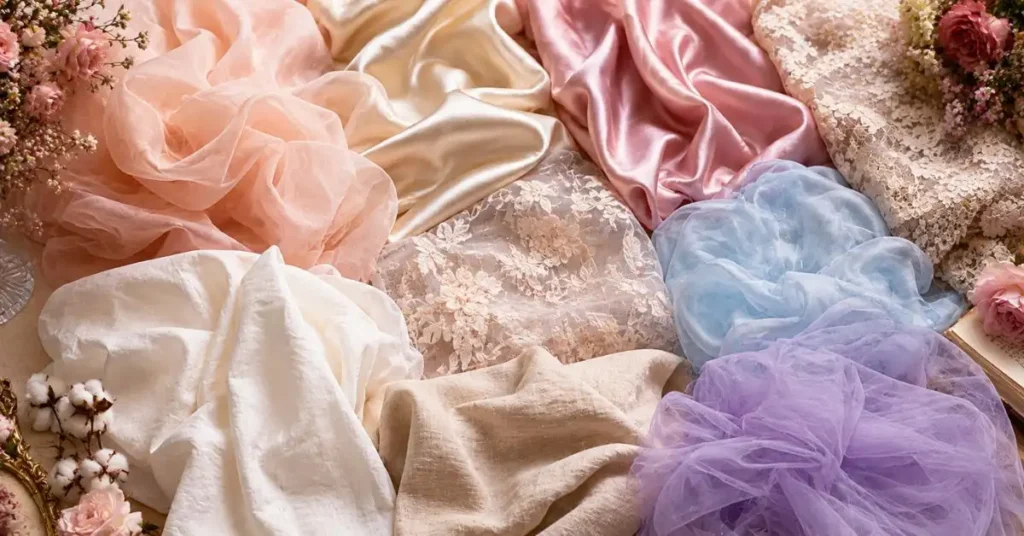
Fabric affects the comfort, drape, appearance, and care requirements of romantic style dresses. The same design can look very different in cotton, chiffon, silk, or satin, so check the material before purchasing.
Cotton works well for many casual dresses because it often feels comfortable against the skin. It can suit daytime activities, warm weather, and repeated wear. However, thin cotton may require a lining, and some cotton fabrics wrinkle after washing.
Linen offers an airy texture that suits relaxed summer outfits. Its natural wrinkles are part of its character, but they may not suit someone who prefers a very smooth finish. Linen blends can provide a different balance of texture and ease of care.
Chiffon is lightweight and creates graceful movement. Designers often use it for flowing skirts, sleeves, and occasionwear. Because chiffon can be sheer or delicate, check the lining and washing instructions.
Silk offers a smooth feel and natural sheen. It can suit evening events, but some silk garments require careful cleaning and storage. Satin can provide a similar polished appearance, depending on its fiber composition and finish.
Lace adds decorative texture and can appear as a trim, overlay, sleeve, or full dress. Check the seams and edges because delicate lace may snag on jewelry or rough surfaces. Organza holds more structure, making it useful for puff sleeves and fuller shapes.
| Fabric | Best Occasion | Key Benefit | Styling Tip |
|---|---|---|---|
| Cotton | Casual outings and daytime events | Often comfortable for regular wear | Pair with flat sandals and a woven bag |
| Linen | Vacations and warm-weather gatherings | Airy texture and relaxed appearance | Accept natural wrinkles or choose a blend |
| Chiffon | Celebrations and evening events | Lightweight movement | Check lining and transparency |
| Silk | Special occasions | Smooth, refined finish | Follow the care label |
| Satin | Dinner and formal events | Adds a subtle or noticeable sheen | Keep jewelry simple |
| Lace | Parties and special gatherings | Adds texture and detail | Avoid accessories that may snag the fabric |
| Organza | Events that suit structured volume | Helps create shape | Balance fuller sleeves with simple accessories |
Choose the fabric according to your local weather and the length of time you plan to wear the dress. A delicate material may look beautiful but require more maintenance than a cotton alternative. Always follow the garment’s care instructions rather than assuming that similar-looking fabrics need the same treatment.
Best Colors and Prints for Romantic Fashion
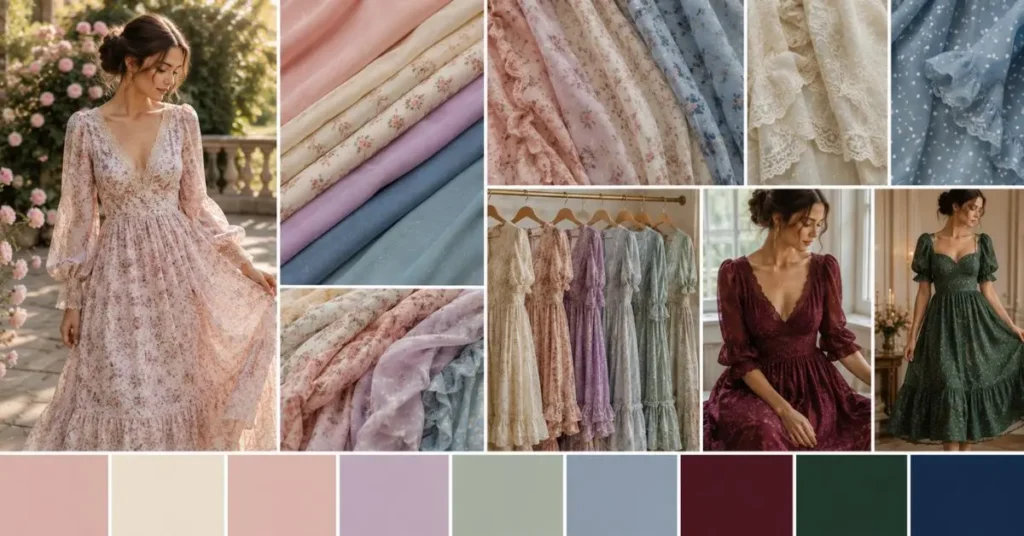
Color and pattern help define the mood of a romantic outfit. Soft shades often create a gentle appearance, while deeper colors can add drama without losing the feminine character of the style.
Blush, cream, ivory, lavender, and dusty blue work well when you want a light, delicate palette. These shades can coordinate with neutral handbags, understated jewelry, and beige or metallic footwear. They are useful starting points for daytime outfits, garden parties, and spring celebrations.
Floral prints remain a natural choice for romantic fashion. Small scattered flowers can feel subtle, while large botanical designs make the dress stand out. If you prefer a quieter look, choose a muted floral print on a neutral background. For a stronger outfit, select a brighter pattern and keep the accessories understated.
Deep colors offer another approach. Burgundy, forest green, navy, and plum can suit evening gatherings, autumn outfits, and formal occasions. A solid-colored dress can also make it easier to introduce texture through a lace trim, a satin finish, or a distinctive handbag.
Think about contrast when coordinating colors. A cream dress with tan accessories creates a warm, understated outfit. A dusty-blue dress with silver-toned jewelry can produce a cooler palette. Burgundy paired with black or metallic accessories can create a more dramatic evening look.
You do not need to match every accessory to the exact color of the dress. Choose one or two complementary shades and allow some contrast. This helps the outfit feel coordinated without looking overly planned.
Print scale also matters when selecting accessories. A dress with a busy floral design usually benefits from a plain bag and simple shoes. A solid dress gives you more freedom to experiment with texture, jewelry, or a patterned accessory.
Before buying a dress, consider how its color works with your existing wardrobe. A shade that coordinates with shoes, outerwear, and bags you already own may offer more opportunities for repeat wear.
How to Style Romantic Style Dresses
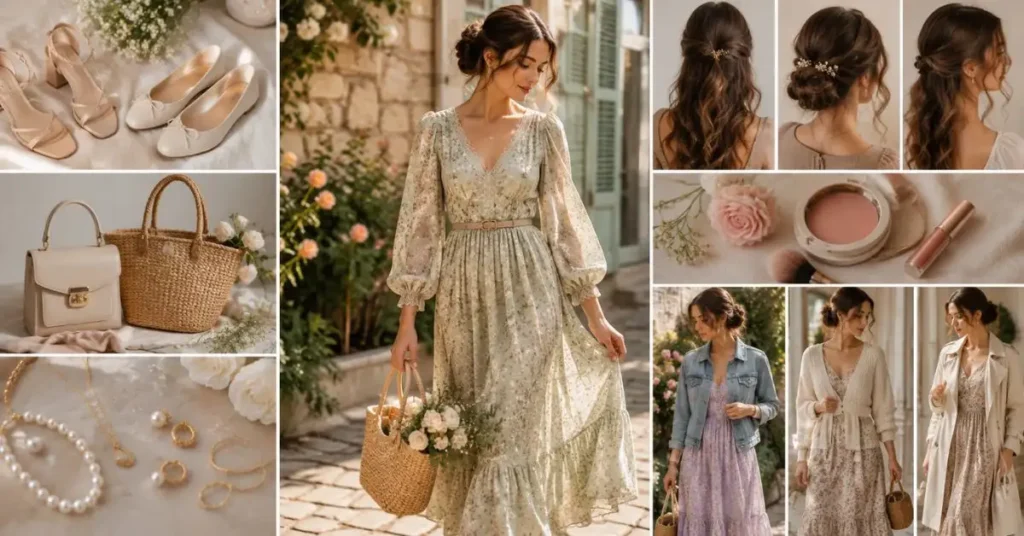
Styling romantic dresses becomes easier when you follow a simple process. Start with the occasion, select suitable footwear, choose a handbag, and add accessories that support the dress rather than compete with it.
For casual outings, pair a cotton floral dress with flat sandals, clean sneakers, or ballet flats. A crossbody bag keeps essentials close while allowing you to move comfortably. Small earrings or a simple necklace can complete the outfit without adding unnecessary decoration.
For brunch or garden parties, try a midi dress with woven accessories and delicate jewelry. If the dress has puff sleeves or a detailed neckline, keep the necklace simple or skip it entirely. This allows the dress’s design to remain visible.
For evening events, consider a satin or chiffon dress with heeled sandals and a compact handbag. A deeper color can create a more formal mood, while a soft floral print may suit an outdoor celebration. Always consider the dress code before deciding how formal your outfit should look.
Outerwear can change the character of a dress. A cropped denim jacket introduces a casual contrast, while a soft cardigan adds warmth. A tailored blazer can make a simple slip dress feel more structured. Check sleeve volume before layering, especially if the dress has puffed or gathered sleeves.
Jewelry should complement the neckline and fabric. Delicate chains can work with simple necklines, while small earrings may suit a dress with lace or ruffles around the collar. If you prefer statement jewelry, let one piece lead instead of wearing several bold accessories together.
Outfit Styling Framework
Use this step-by-step method whenever you plan an outfit:
- Choose the occasion. Decide whether you need a casual, daytime, semi-formal, or evening look.
- Select the silhouette. Choose a shape and length that allow comfortable movement.
- Check the fabric. Consider the weather, lining, transparency, and care needs.
- Set the color direction. Choose a soft neutral, pastel, floral print, or deeper shade.
- Select footwear. Match the shoes to the occasion and the amount of walking involved.
- Add a bag and jewelry. Choose accessories that complement the dress.
- Check the complete outfit. Walk, sit, and move to make sure everything feels secure and comfortable.
This framework helps you create outfits with fewer unnecessary purchases. It also makes it easier to reuse the same dress for different occasions by changing footwear, outerwear, and accessories.
For more practical style guides, explore ideas for balancing silhouettes, accessories, and personal preferences.
Romantic Outfit Ideas for Different Occasions
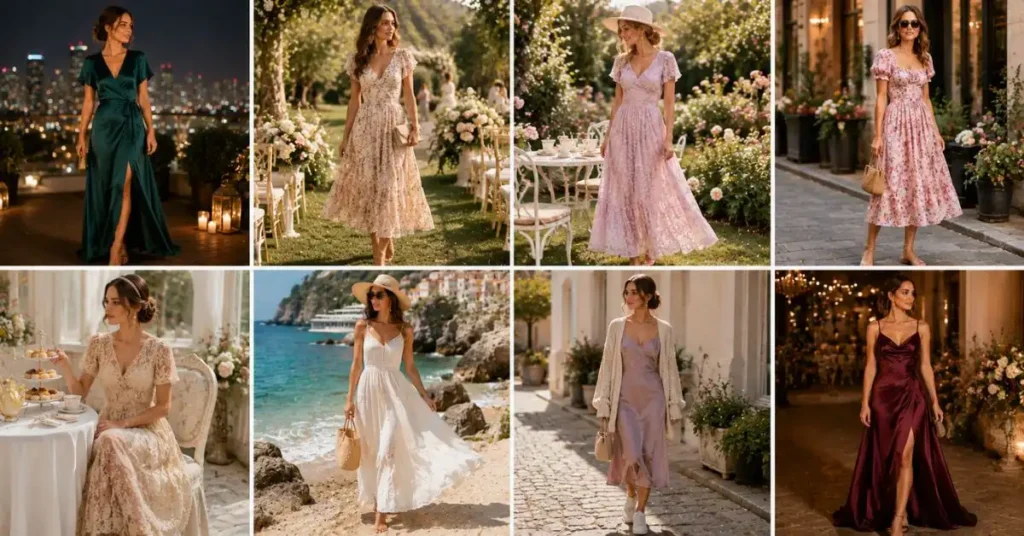
Romantic style dresses can suit many events when you adjust the fabric, length, and accessories to the setting. The goal is to create an outfit that looks appropriate and feels comfortable throughout the occasion.
Date night: Choose a wrap dress or a simple satin design in burgundy, navy, or another shade you enjoy. Add comfortable heels, a compact bag, and delicate earrings. If you will be walking outdoors, choose footwear that feels stable.
Wedding guest events: A midi or maxi dress in a tasteful floral print can work for many daytime weddings. Check the invitation for the dress code, avoid outfits that conflict with the couple’s preferences, and consider the venue before choosing the hemline or shoes.
Garden parties: Cotton, chiffon, or lightweight blends can suit outdoor daytime gatherings. Soft colors and floral patterns complement the setting, while block heels or flats may be more practical on grass than narrow heels.
Brunch: A puff-sleeve midi or floral A-line dress creates a relaxed, polished look. Pair it with sandals, a woven bag, and understated jewelry.
Afternoon tea: A knee-length or midi dress with subtle lace or a small print can create a classic appearance. Ballet flats or low heels help keep the outfit comfortable.
Vacation: A flowing maxi dress or a simple slip-inspired design can work for sightseeing, meals, and relaxed evening outings. Choose fabric that suits the climate and consider whether it wrinkles easily in luggage.
Casual daytime activities: A cotton dress with sneakers, a crossbody bag, and a lightweight layer can offer comfort without losing its feminine style.
Evening celebrations: Satin, chiffon, or lace details can make an outfit feel more refined. Choose a dress that matches the formality of the event and avoid adding too many decorative accessories.
| Outfit Option | Best Occasion | Main Advantage | Styling Suggestion |
|---|---|---|---|
| Cotton A-line dress | Errands and daytime outings | Practical and easy to style | Sneakers or flat sandals |
| Floral midi dress | Brunch and garden parties | Soft, feminine appearance | Woven bag and delicate earrings |
| Chiffon maxi dress | Outdoor celebrations | Flowing movement | Comfortable sandals and a small clutch |
| Satin slip dress | Dinner and evening events | Smooth, polished finish | Heels and simple jewelry |
| Long-sleeve romantic dress | Cooler days and family gatherings | Adds coverage | Ankle boots and a cardigan |
| Lace-detail dress | Parties and special occasions | Adds decorative texture | Minimal accessories |
Always consider the weather, venue, and dress code. A beautiful outfit should work in the actual setting, not just in a photograph.
How to Build a Romantic Capsule Wardrobe
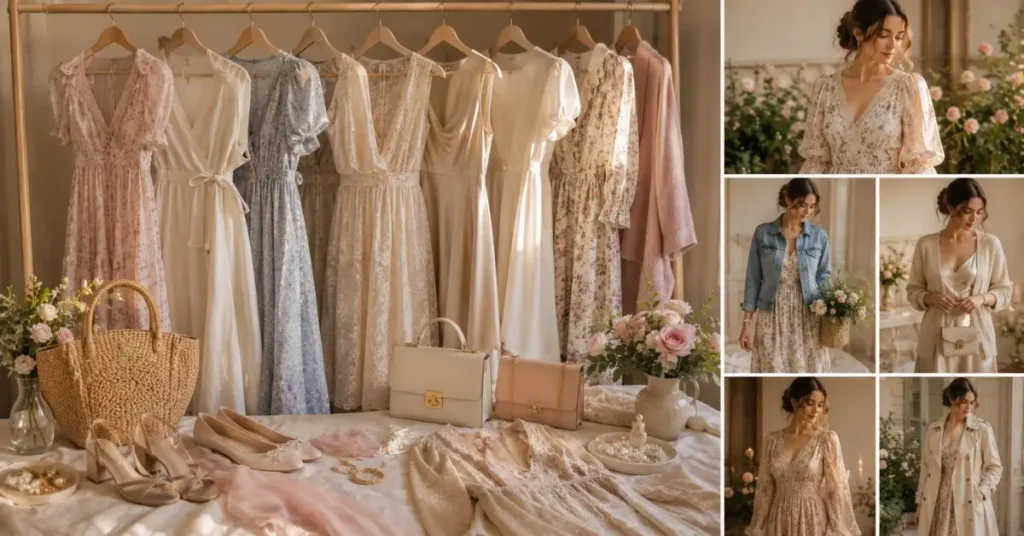
A capsule wardrobe contains a small selection of pieces that coordinate with one another. Building a romantic capsule wardrobe does not require buying several dresses with the same print or silhouette. Instead, focus on variety, versatility, and the way each item fits into your existing clothing collection.
Start with one everyday dress. A cotton A-line or simple midi in a neutral shade can work for errands, casual lunches, and relaxed gatherings. Add a floral dress to introduce pattern and color.
Choose one dress for special occasions. A satin slip dress, lace-detail midi, or flowing maxi can fill this role, depending on your lifestyle. You do not need a formal gown if you rarely attend formal events.
Next, select accessories that work across multiple outfits. Neutral sandals, comfortable flats, a structured handbag, and a woven tote can support several looks. Simple earrings and a delicate necklace can also work with more than one dress.
Layering pieces extend seasonal use. A cardigan can add warmth to a slip dress, while a denim jacket creates a casual contrast. A tailored coat may work with long-sleeve dresses in cooler weather.
Before buying something new, ask whether it coordinates with at least two or three pieces you already own. Consider care requirements as well. A dress that needs frequent specialist cleaning may be less practical if you want to wear it regularly.
Romantic Wardrobe Checklist
- One comfortable everyday dress
- One floral or printed dress
- One dress for special occasions
- A silhouette that works with your preferred footwear
- Neutral shoes for repeated wear
- A practical daytime bag
- A smaller bag for evening events
- A lightweight cardigan or jacket
- Accessories that complement several outfits
- A plan for washing and storing delicate garments
This approach helps you build a wardrobe around actual needs instead of short-lived trends. Choose quality and comfort within your budget, and add new pieces only when they provide a useful option.
Common Styling Mistakes to Avoid
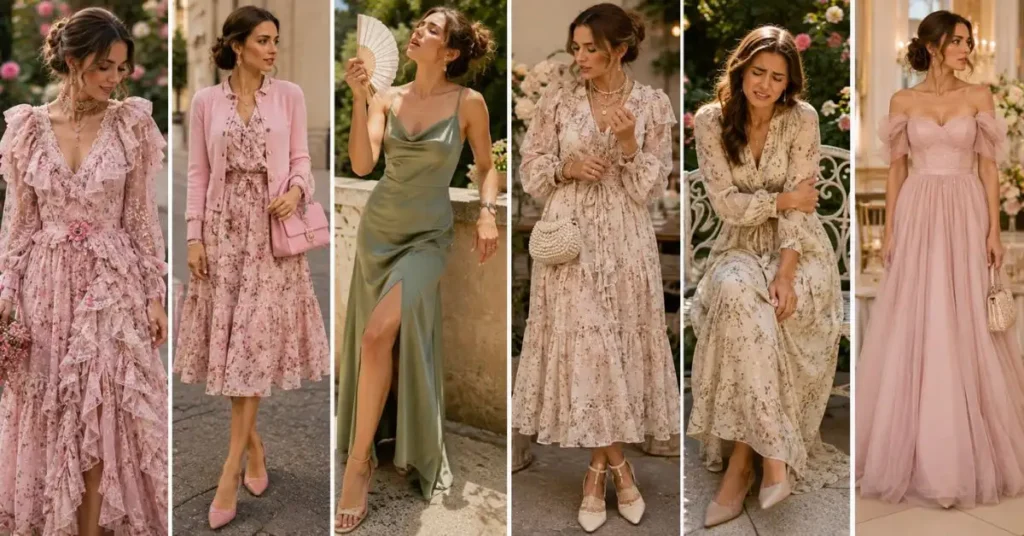
Romantic fashion works best when the outfit feels balanced. A few common mistakes can make a dress less practical or distract from the details that make it attractive.
Combining too many decorative details: Ruffles, lace, bold florals, bows, and statement jewelry can compete with one another. Choose one or two main features and keep the remaining pieces simple.
Ignoring the weather: Heavy satin may feel uncomfortable during hot daytime activities, while thin chiffon may not provide enough warmth in cold weather. Check the forecast and choose suitable layers.
Choosing the wrong length: A hem that drags on the ground can become dirty or create a tripping risk. Check the length with the shoes you plan to wear.
Overlooking transparency: Some light fabrics need a lining or slip. Check the garment in natural light and follow the care label when choosing underlayers.
Selecting uncomfortable shoes: Narrow heels may not suit grass, cobblestones, or long periods of walking. Choose footwear according to the venue and your comfort.
Overmatching accessories: Matching every accessory to the exact shade of the dress can make the outfit feel too coordinated. Introduce a complementary neutral or texture instead.
Ignoring fit: A dress that pulls at the bust, restricts the shoulders, or shifts while walking may not be the right choice. Check measurements and try moving naturally before committing to the outfit.
Forgetting clothing care: Delicate fabrics and lace can snag, shrink, or lose their shape if handled incorrectly. Read the care label before washing or ironing.
The most important principle is to dress for your actual needs. You can adapt romantic fashion to your own preferences without following every trend or buying expensive pieces.
Conclusion
Romantic style dresses combine soft silhouettes, flowing fabrics, delicate details, and versatile outfit possibilities. They can suit casual outings, brunch, vacations, weddings, and evening events when you choose the right fabric, color, length, and accessories.
Start by identifying the occasion and selecting a silhouette that feels comfortable. Check the fabric and care requirements, coordinate your shoes and bag, and use accessories to complement the dress rather than compete with it.
You can also build a practical romantic wardrobe with a few carefully chosen pieces. An everyday cotton dress, a floral midi, and an occasion-ready design may offer more value than several garments you rarely wear.
Style Aura Dresses encourages readers to adapt these ideas to their own tastes, lifestyles, and budgets. The best outfit is one that feels like you, works for the occasion, and allows you to move comfortably throughout the day.
Frequently Asked Questions
What are romantic style dresses?
Romantic style dresses feature soft silhouettes, flowing fabrics, and feminine details such as floral prints, lace, ruffles, and puff sleeves. They can range from simple everyday dresses to more formal occasionwear.
What makes an outfit look romantic?
Soft fabrics, graceful movement, gentle colors, and delicate details often create a romantic appearance. You can achieve the look with one or two thoughtful features rather than using every decorative element at once.
What colors are considered romantic?
Blush, cream, ivory, lavender, dusty blue, and soft pink are common choices. Burgundy, forest green, navy, and plum can also create a romantic look, especially for evening events.
What fabrics work best for romantic fashion?
Cotton and linen blends can suit casual daytime wear. Chiffon offers flowing movement, while satin and silk can suit special occasions. Lace and organza add texture or structure. Always consider comfort and care requirements.
Can romantic style be worn casually?
Yes. Choose a cotton A-line, relaxed midi, or simple slip dress, then pair it with sneakers, flats, or sandals. Minimal jewelry and a practical bag can keep the outfit comfortable and appropriate for everyday activities.
Which shoes go best with romantic dresses?
Ballet flats, sandals, sneakers, loafers, block heels, and dressy heels can all work. Select shoes according to the occasion, dress length, weather, and how much walking you expect to do.
How can I make romantic fashion look modern?
Balance soft dress details with clean accessories, contemporary footwear, and structured bags. A floral dress with minimalist sneakers or a slip dress with a tailored blazer can create a modern contrast.
Are romantic style dresses suitable for weddings?
Some romantic dresses suit weddings, especially daytime or garden celebrations. Check the invitation, venue, and dress code before choosing the color, length, fabric, and level of formality.
How do I care for delicate romantic dresses?
Read the garment’s care label before washing, drying, or ironing it. Delicate fabrics and lace may need gentle handling or specialist cleaning. Store clean garments in a dry place and protect decorative details from snagging.
How can I build a romantic wardrobe on a budget?
Start with one everyday dress, one printed dress, and one option for special occasions. Choose accessories that work with several outfits and check fabric quality, fit, and care requirements before purchasing.
Zahida Amir is the creative force behind Style Aura Dresses, a multicultural fashion blog. With a passion for timeless elegance, she curates easy-to-follow style guides that help readers find the perfect look for every occasion.


