
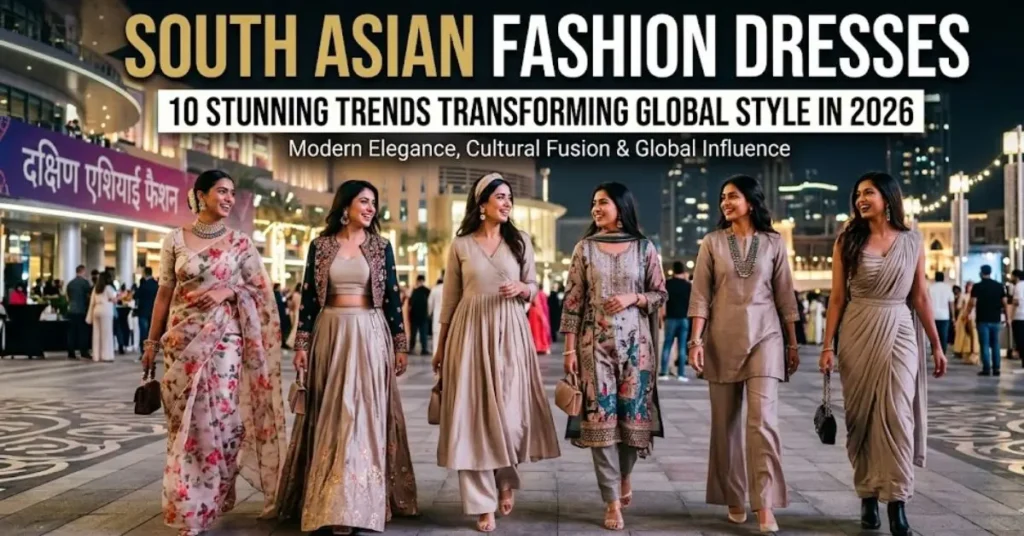
South Asian Fashion Dresses have become a major influence in the global fashion industry, blending centuries-old traditions with modern creativity. From elegant wedding ensembles to contemporary everyday wear, these styles continue to captivate fashion enthusiasts across the USA, UK, Canada, Australia, and beyond. Their vibrant colors, intricate embroidery, luxurious fabrics, and cultural significance make them stand out in a world increasingly focused on individuality and heritage.
As fashion becomes more diverse and inclusive, South Asian-inspired clothing has gained widespread recognition on international runways, social media platforms, and celebrity wardrobes. Designers are reimagining traditional silhouettes while preserving the craftsmanship that makes these garments unique. Whether you’re attending a wedding, celebrating a festival, or simply looking for sophisticated attire, South Asian fashion offers countless possibilities.
.
What Makes South Asian Fashion Dresses Unique?
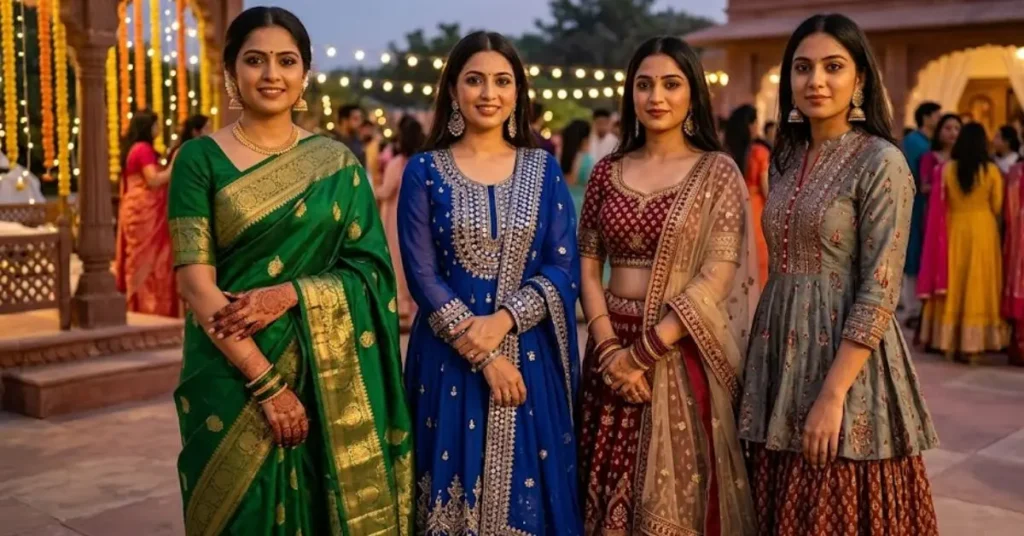
South Asian fashion is renowned for its rich cultural heritage and artistic craftsmanship. Unlike many Western clothing styles, these garments often feature hand embroidery, intricate beadwork, and luxurious textiles.
Several characteristics make this fashion category distinctive:
- Detailed embroidery and embellishments
- Vibrant and symbolic color palettes
- High-quality fabrics such as silk and chiffon
- Fusion of traditional and modern aesthetics
- Cultural significance tied to celebrations and ceremonies
Many designs are inspired by centuries of history while incorporating contemporary cuts and styling techniques that appeal to modern consumers.
History and Cultural Influence of South Asian Fashion
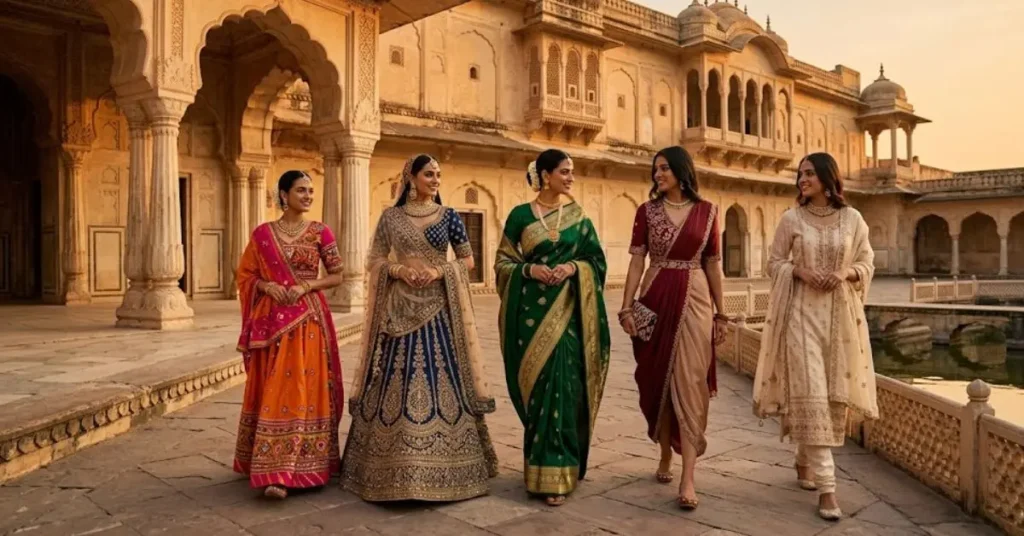
The roots of South Asian fashion can be traced back thousands of years. Throughout history, clothing has reflected regional traditions, royal influences, and artistic developments.
Ancient civilizations contributed weaving techniques and textile innovations that remain relevant today. During royal eras, luxurious fabrics and elaborate craftsmanship became symbols of status and prestige.
Over time, cultural exchanges introduced new materials, patterns, and tailoring methods. Today, designers honor these traditions while adapting them for modern lifestyles, creating apparel that resonates with both younger and older generations.
Popular South Asian Fashion Trends in 2026
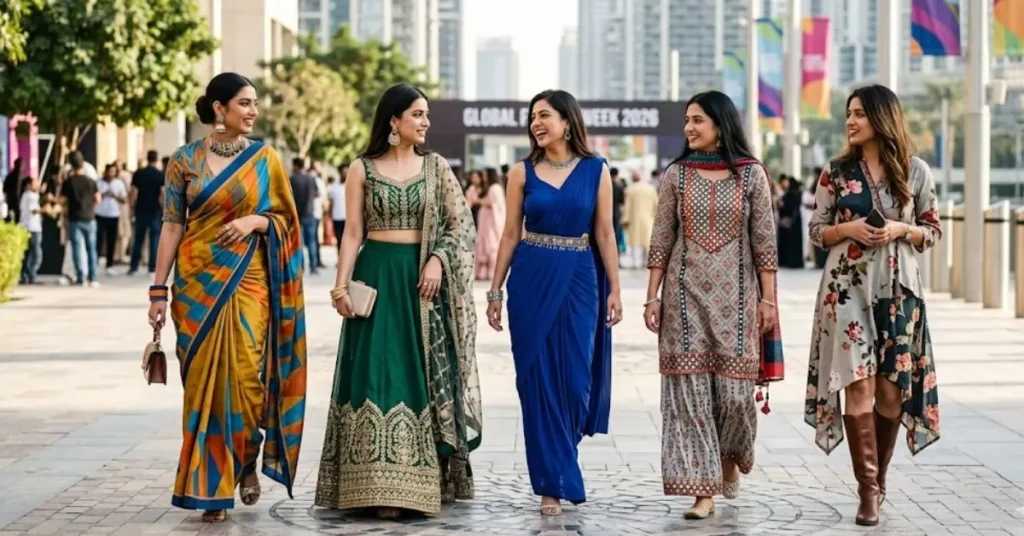
Fashion trends continue to evolve, and 2026 has introduced exciting innovations within South Asian style.
Minimalist Embroidery South Asian Fashion Dresses
Many consumers are choosing refined embroidery patterns that provide elegance without excessive embellishment.
Pastel Color Palettes South Asian Fashion Dresses
Soft shades such as blush pink, lavender, mint green, and powder blue remain highly sought after.
Contemporary Fusion Wear
Designers are blending traditional craftsmanship with modern silhouettes, creating versatile outfits suitable for various occasions.
Sustainable Fashion
Eco-conscious shoppers increasingly prefer garments produced using ethical practices and environmentally friendly materials.
Statement Sleeves South Asian Fashion Dresses
Dramatic sleeves add a fashionable touch while maintaining cultural authenticity.
These trends demonstrate how South Asian fashion continues to innovate while respecting its heritage.
Traditional and Modern Styles in South Asian Fashion
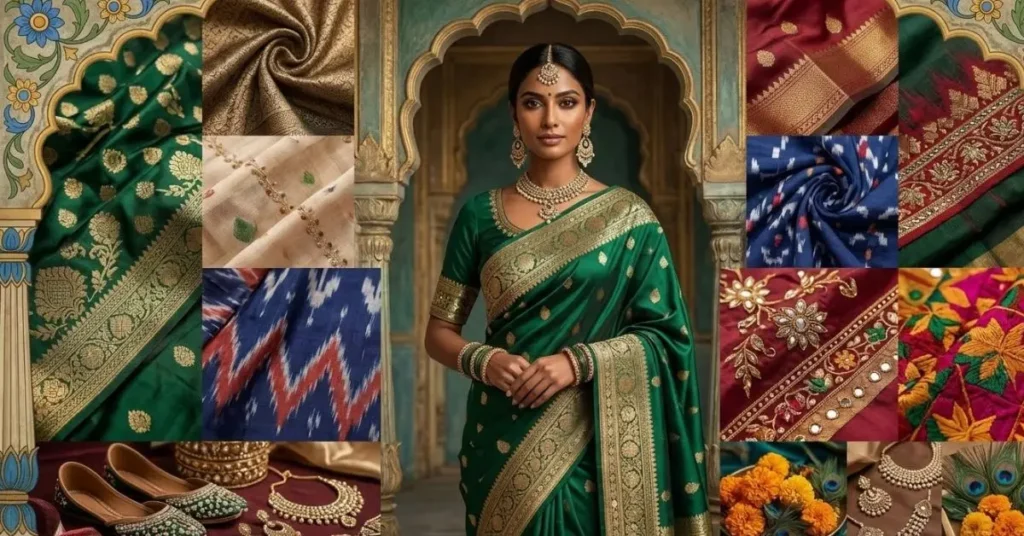
One of the greatest strengths of South Asian fashion is its ability to balance tradition and innovation.
Traditional styles emphasize heritage, cultural symbolism, and classic craftsmanship. They are often worn during weddings, religious events, and family celebrations.
Modern interpretations focus on:
- Simplified silhouettes
- Lightweight fabrics
- Contemporary tailoring
- Versatile styling options
- Everyday wearability
This combination allows individuals to celebrate their cultural roots while embracing current fashion trends.
Best Fabrics Used in South Asian Fashion
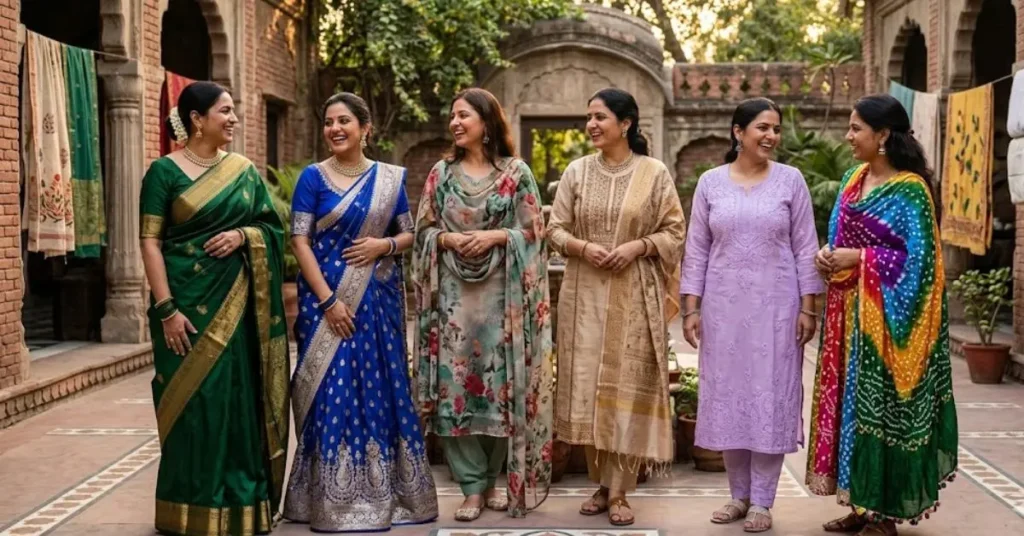
Fabric selection plays a crucial role in both comfort and appearance. Different materials are chosen depending on the occasion, season, and design.
Silk
Silk remains one of the most luxurious options, offering elegance, durability, and a refined appearance.
Chiffon
Known for its lightweight texture, chiffon creates graceful movement and is ideal for formal events.
Cotton
Cotton is highly breathable, making it a practical choice for everyday wear and warm climates.
Organza
This fabric adds structure and sophistication while maintaining a delicate appearance.
Velvet
Velvet continues to be popular for winter celebrations due to its rich texture and luxurious feel.
Choosing the right fabric can significantly enhance both comfort and style.
How to Choose the Perfect Outfit for Different Occasions
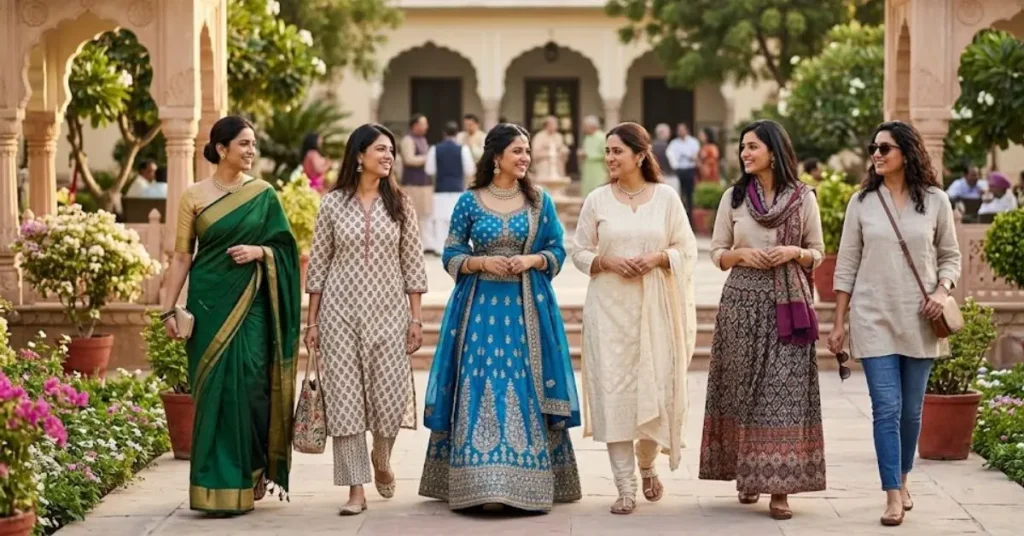
Selecting appropriate attire depends on the event, venue, and personal preferences.
Weddings
Opt for luxurious fabrics, detailed embroidery, and rich colors that complement the celebratory atmosphere.
Festivals
Bright shades and artistic embellishments help create a festive appearance.
Formal Events
Choose elegant silhouettes with subtle detailing for a polished look.
Casual Gatherings
Lightweight materials and minimalist designs provide comfort without compromising style.
When selecting an outfit, always consider comfort alongside aesthetics.
Sustainable and Eco-Friendly Fashion Choices
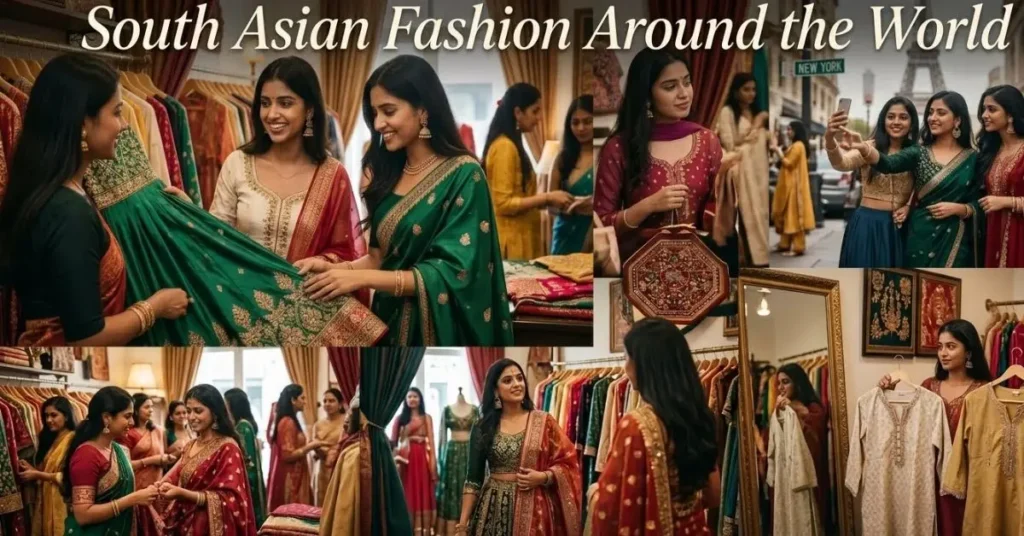
Sustainability has become a priority across the fashion industry, and South Asian designers are responding with innovative solutions.
Many brands now focus on:
- Ethical production methods
- Natural fibers
- Reduced waste practices
- Artisan support programs
- Environmentally responsible dyeing techniques
Consumers increasingly value transparency and sustainability when making purchasing decisions. Choosing eco-friendly options supports both the environment and traditional craftsmanship.
Styling Tips from Fashion Experts
Fashion experts recommend focusing on balance and personalization when creating a stylish look.
Accessorize Thoughtfully
Select accessories that enhance rather than overwhelm your outfit.
Prioritize Fit
Proper tailoring can dramatically improve overall appearance.
Experiment with Layering
Layering different textures and fabrics adds depth and visual interest.
Mix Traditional and Modern Elements
Combining heritage-inspired pieces with contemporary accessories creates a unique style statement.
Choose Colors Strategically
Select shades that complement your skin tone and the occasion.
These simple techniques can elevate any outfit while maintaining authenticity.
Common Mistakes to Avoid When Buying Ethnic Fashion
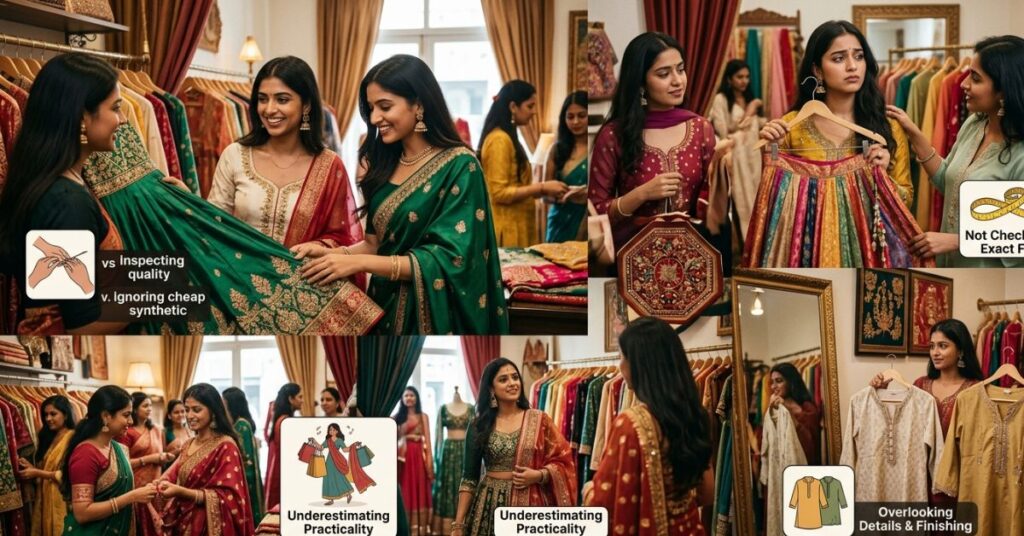
Even experienced shoppers occasionally make fashion mistakes.
Some common issues include:
- Ignoring fabric quality
- Choosing style over comfort
- Over-accessorizing
- Purchasing without considering the occasion
- Neglecting proper tailoring
Avoiding these mistakes can help ensure a more satisfying and stylish wardrobe investment.
Future of South Asian Fashion Beyond 2026
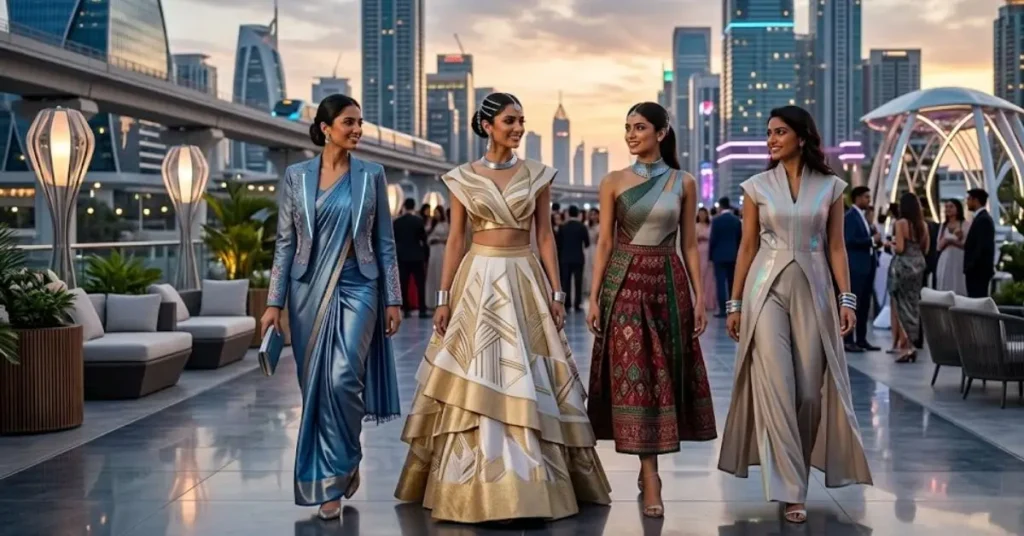
The future of South Asian fashion looks exceptionally promising. Designers continue to embrace innovation while preserving traditional artistry.
Emerging developments include:
- Smart textile integration
- AI-assisted design processes
- Greater sustainability initiatives
- Increased global collaborations
- Digital fashion experiences
As technology and creativity converge, South Asian fashion is expected to become even more influential on the international stage.
Conclusion
South Asian Fashion Dresses continue to inspire the global fashion industry through their exceptional craftsmanship, cultural significance, and evolving design aesthetics. From traditional celebrations to contemporary lifestyles, these garments offer remarkable versatility and timeless appeal.
The growing international demand demonstrates how fashion can bridge cultures while celebrating individuality. Whether you prefer classic elegance or modern fusion styles, South Asian fashion provides endless opportunities for self-expression. Its rich heritage, luxurious fabrics, and innovative trends ensure that it remains relevant in an ever-changing industry.
FAQs
Why are South Asian Fashion Dresses becoming globally popular?
Their combination of cultural heritage, craftsmanship, vibrant aesthetics, and modern adaptability appeals to diverse audiences worldwide.
What fabrics are most commonly used in South Asian fashion?
Popular materials include silk, cotton, chiffon, velvet, and organza due to their comfort, durability, and elegance.
Can traditional South Asian outfits be styled for modern occasions?
Yes. Many contemporary designs blend traditional elements with modern tailoring, making them suitable for various settings.
Are sustainable options available in South Asian fashion?
Absolutely. Many designers now prioritize ethical production, natural materials, and environmentally friendly manufacturing processes.
What trends are expected to dominate in the coming years?
Sustainability, minimalist embellishments, fusion styling, and technology-driven innovations are expected to shape future trends.
Zahida Amir is the founder and creative force behind Style Aura Dresses, a multicultural fashion blog celebrating South Asian, Western, and bridal dress styles. With a deep passion for fashion trends and timeless elegance, Zahida Amir curates content that helps readers discover the perfect look for every occasion.
Through Style Aura Dresses, Zahida Amir shares style guides, dress inspiration, and expert fashion tips, blending traditional and contemporary influences to inspire women worldwide.