
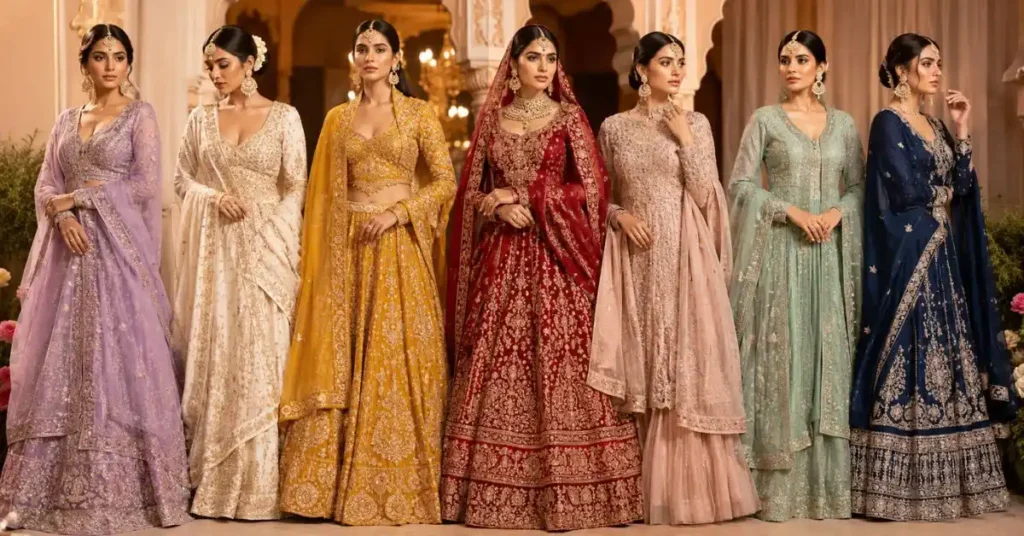
Designer Indian Dresses have always carried a kind of magic that few other fashion traditions can match. The intricate embroidery, the luxurious fabrics, and the way each silhouette tells a story of culture and craftsmanship are genuinely unlike anything else in the world of fashion. Whether you are a bride searching for the perfect lehenga choli, a wedding guest looking for a showstopping festive attire, or simply a woman who loves South Asian fashion, Designer Indian Dresses offer something extraordinary for every taste, every budget, and every occasion. In 2026, this beloved category has evolved even further, blending Mughal heritage with contemporary sensibility in ways that feel both fresh and deeply rooted in tradition.
The Rich Heritage Behind Designer Indian Dresses
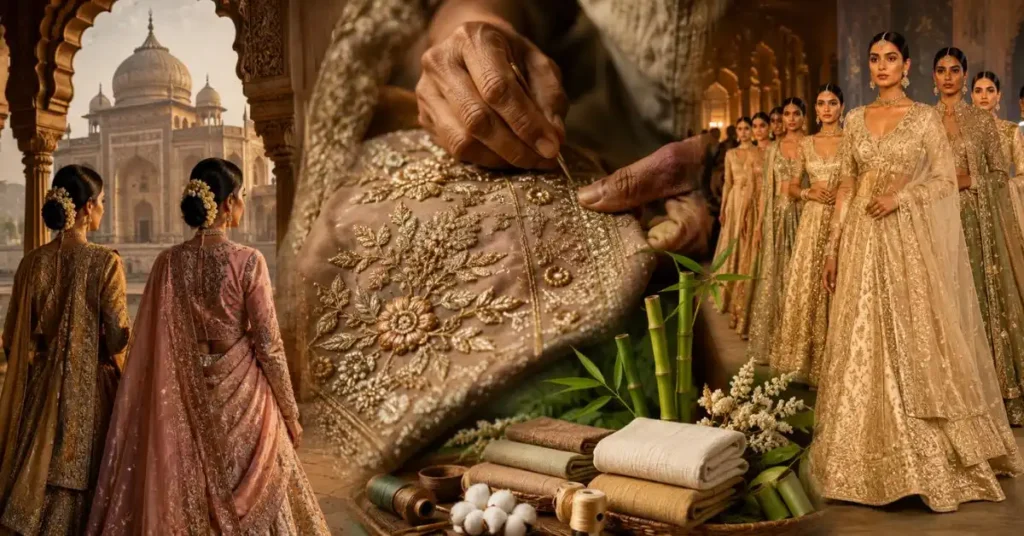
Designer Indian Dresses carry centuries of cultural pride within every stitch. From the royal courts of the Mughal Empire to the grand runways of Mumbai and Delhi, Indian couture has always been defined by its exceptional craftsmanship and artistic vision. Skilled artisans spend weeks, sometimes months, hand-embroidering a single garment with zari, resham, and stone work that simply cannot be rushed.
What makes Designer Indian Dresses so globally admired is how seamlessly they honour tradition while evolving with each generation. Legendary names like Sabyasachi Mukherjee, Manish Malhotra, and Tarun Tahiliani have elevated South Asian fashion to international recognition, dressing celebrities and brides from Mumbai to London to New York. Their work proves that Indian couture is not just ethnic wear; it is wearable art.
Today, a new wave of designers is continuing this legacy with sustainability at the forefront. Artisans and designers are focusing more on sustainability in 2026, utilizing organic and locally sourced textiles like cotton, khadi, linen, and bamboo silk not only for their comfort but also for their minimal environmental footprint. This conscious shift is making Designer Indian Dresses even more meaningful to wear.
Most Iconic Types of Designer Indian Dresses
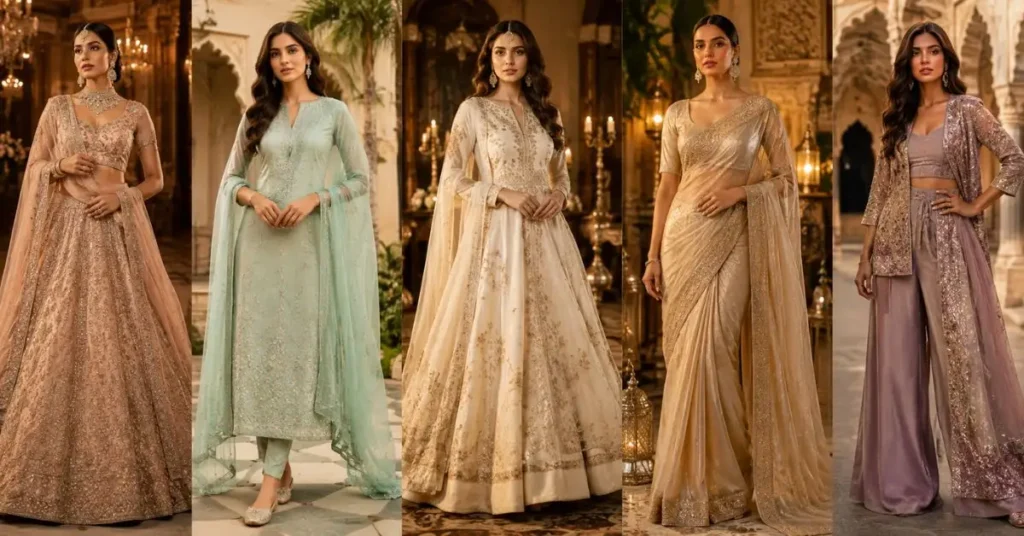
The world of Designer Indian Dresses is beautifully diverse. Each silhouette carries its own personality, occasion suitability, and styling language. Here are the most iconic styles every woman should know.
Designer Lehenga Choli
The lehenga choli is perhaps the most iconic of all Designer Indian Dresses, and in 2026 it has reached new heights of elegance. The trend is shifting toward luxe minimalism: tone-on-tone embroidery, muted metallic hues, and clean shapes, with women preferring lightweight lehengas with subtle shimmer that look rich but feel airy.
Ivory lehengas with pearl work, blush pink organza styles, and sage green georgette pieces are dominating bridal and bridesmaid fashion right now. Designers are also blending saree and lehenga aesthetics, creating pre-pleated styles that make dressing up effortless without sacrificing grace.
Designer Salwar Kameez
The salwar kameez remains one of the most versatile pieces in the Designer Indian Dresses category. It suits every body type, every age group, and almost every occasion from casual family gatherings to formal celebrations. Monochromatic dressing is the biggest trend of 2026: one colour in multiple textures, creating a long, unbroken visual line that elongates the body and looks intentional and curated without trying hard.
A deep teal salwar kameez in tonal silk, or a blush pink set with slightly varying textures, delivers exactly this kind of quiet luxury. Pair it with minimal jewellery and embroidered juttis for a look that feels polished without being overdressed.
Designer Anarkali Suits
The Anarkali suit has made one of the most exciting comebacks in recent fashion history. Modern Anarkalis feature cleaner lines, less volume, and more contemporary embroidery, being worn to cocktail parties, not just weddings.
Designers are transforming Anarkali suits into flowing gowns with cape sleeves, slit cuts, and statement belts that allow freedom of movement throughout any event. This evolution makes the Anarkali one of the most wearable and photographable Designer Indian Dresses for 2026.
Designer Saree Styles
A saree in the hands of a skilled designer becomes something truly breathtaking. Metallic sarees are the standout fashion choice of 2026: silver tissue silk, gold shimmer georgette, and satin with sequin accents that transition effortlessly from wedding events to evening celebrations.
Organza sarees with hand-painted florals are particularly popular among younger women across North America and the UK. Pre-stitched and ruffle drape styles have made the saree more accessible than ever, ensuring that even women unfamiliar with traditional draping can wear this timeless garment with confidence.
Designer Indo-Western Fusion
Indo-Western fusion is no longer a niche category; it has become a mainstream staple in Designer Indian Dresses collections across South Asia and beyond. Palazzo and crop-top combinations with jackets solve the tricky dress-code dilemma of being casual enough for some events yet polished enough for others.
Saree-style gowns, embellished jumpsuits, and asymmetrical kurtas with Western trousers are particularly popular among women in the UK, USA, and Canada who need outfits that work seamlessly across both festive and social settings. This category is where creativity truly has no ceiling.
Best Fabrics Used in Designer Indian Dresses
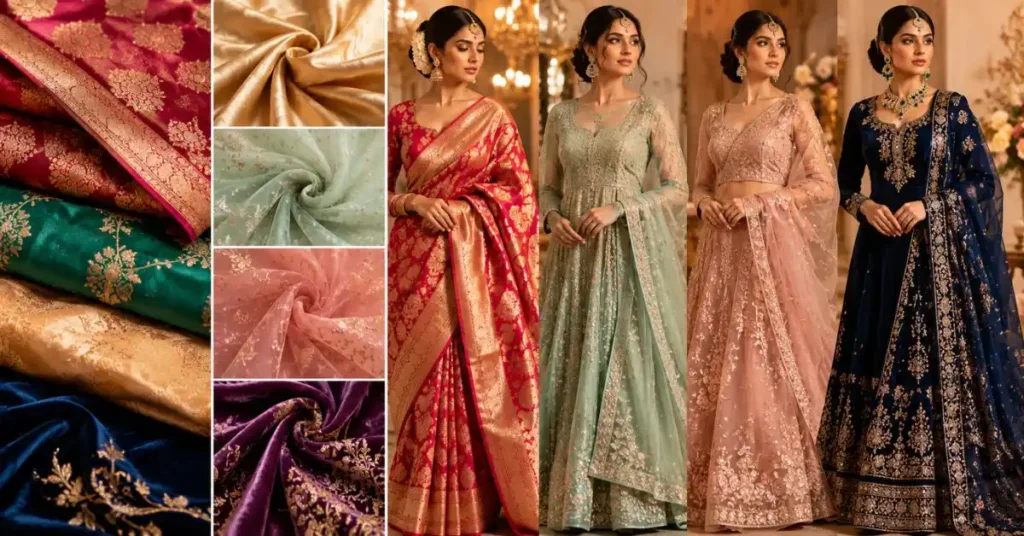
Fabric choice defines the entire personality of any Designer Indian dress creation. Choosing the right material for the right occasion is genuinely one of the most important decisions you will make.
Silk remains the queen of all fabrics in Indian couture. Banarasi silk, Kanjeevaram silk, and raw silk all carry a natural sheen and weight that makes embroidery sit beautifully. Silk Designer Indian Dresses are best suited to weddings, formal receptions, and grand festive gatherings.
Georgette is the go-to fabric for movement and flow. It is lightweight, comfortable, and drapes beautifully, making it the preferred choice for Anarkali suits, sarees, and flared silhouettes. Fabrics like mesh, silk, lace, and ones with unique patterns will keep you cool while adding drama to your outfit in 2026.
Organza brings structure and shimmer without heaviness. It is perfect for layered lehengas, saree blouses, and dupatta detailing. Velvet remains the top choice for the winter wedding season, delivering warmth and visual richness in equal measure.
Trending Colors in Designer Indian Dresses for 2026
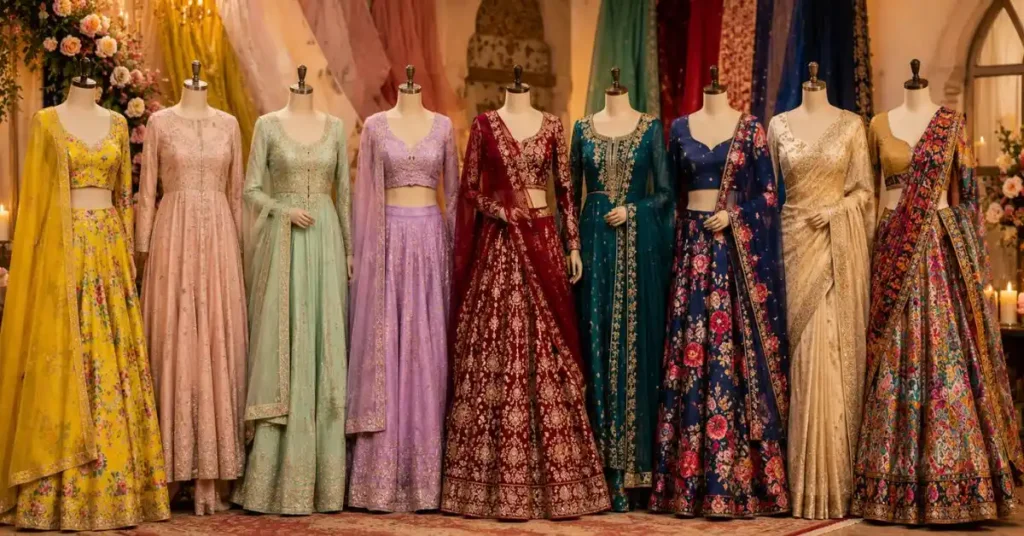
Color is where Designer Indian Dresses truly come alive, and 2026 has introduced an exciting palette that balances bold energy with understated elegance. The fashion landscape embraces bright hues that reflect confidence, from sunshine yellow to deep emerald — alongside digital prints, geometric designs, and floral motifs that are making waves across ethnic silhouettes.
Pastel shades continue to dominate daytime and pre-wedding functions. Powder pink, mint green, lilac, and ivory are everywhere this season, often finished with pearl detailing or delicate threadwork. For evening and bridal occasions, jewel tones rule: deep maroon, royal blue, emerald green, and burnished gold create an undeniable sense of occasion.
Bold prints inspired by Indian art forms like Madhubani, Kalamkari, and Bandhani are being applied even to sarees and suits, giving traditional silhouettes a genuinely contemporary twist. Pair bold prints with neutral accessories to let the silhouette speak for itself.
How to Choose the Right Designer Indian Dress for Your Occasion
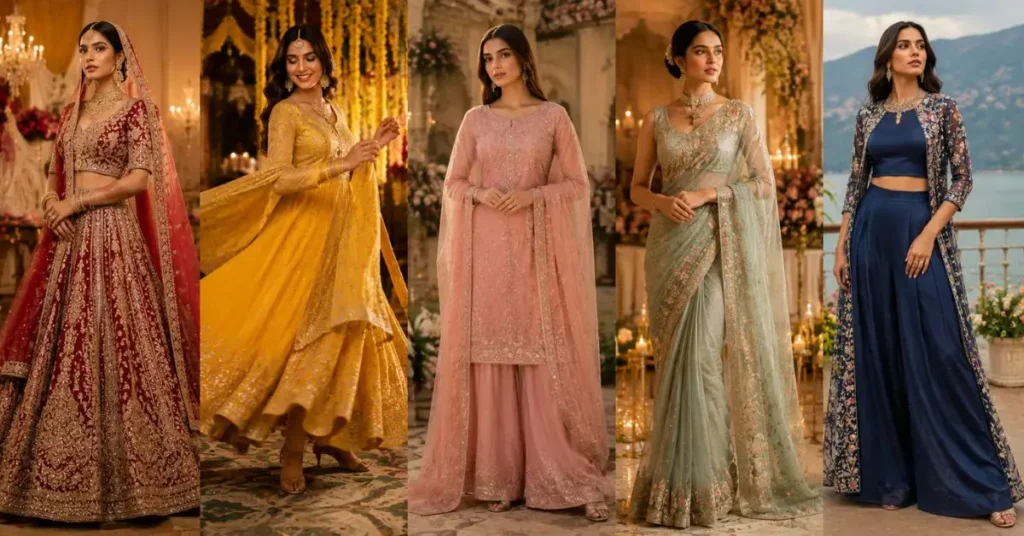
Selecting the right piece from the world of Designer Indian Dresses comes down to three key factors: the occasion, your comfort level, and your personal aesthetic. Each event calls for a different kind of statement.
For bridal wear and grand wedding ceremonies, heavily embroidered lehenga cholis or structured ghararas in silk or velvet deliver the royal look most brides dream of. For mehndi and sangeet nights, lightweight georgette Anarkalis or playful sharara sets allow the movement and energy these celebrations demand.
Semi-formal gatherings and engagement ceremonies call for the sweet spot between tradition and ease. A designer salwar kameez in a rich fabric, or an organza saree with minimal embellishment, hits that balance perfectly. For destination weddings or events abroad, Indo-Western fusion pieces travel well and photograph beautifully against any backdrop.
Top Styling Tips for Designer Indian Dresses
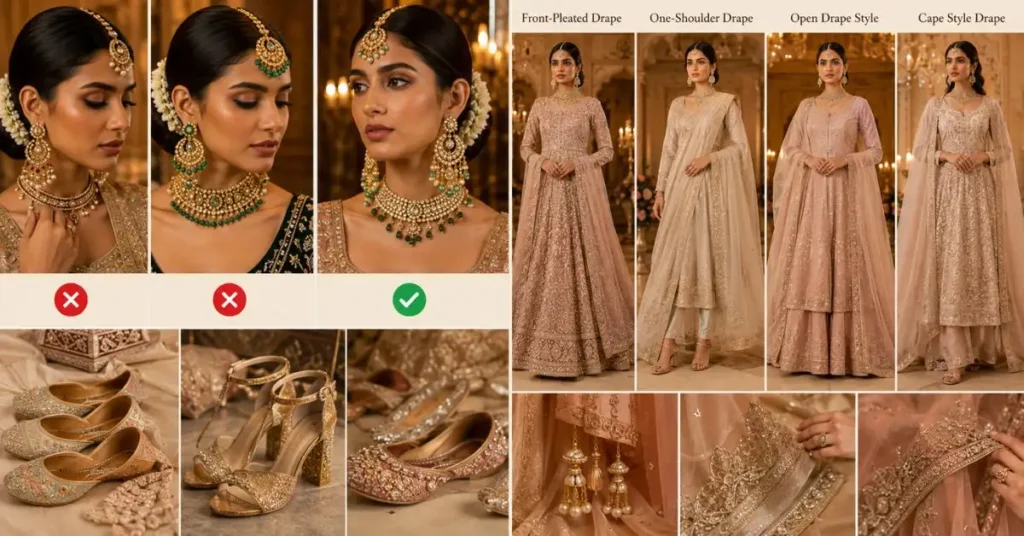
Even the most stunning Designer Indian Dresses benefit from thoughtful styling choices. The right jewellery, footwear, and dupatta drape can elevate a beautiful outfit into a truly unforgettable look.
Keep jewellery proportional to embellishment. If your outfit already carries heavy zari or stone work, choose one statement piece, a maang tikka or a chandelier earring, rather than layering multiple bold pieces that compete with the garment itself. Minimal outfits, on the other hand, beautifully welcome statement kundan or polki sets.
Footwear matters more than most women realize. Embroidered juttis and mojaris complement the ethnic heritage of Designer Indian Dresses effortlessly, while block heels work particularly well under floor-length silhouettes where you need both height and stability throughout a long event.
Dupatta draping is an art worth learning. A front-pleated drape suits structured ghararas and lehengas, while a casual one-shoulder drape keeps Anarkali suits and salwar kameez looking fresh and modern. Never underestimate how much the dupatta changes the entire mood of an outfit.
Designer Indian Dresses for Every Budget
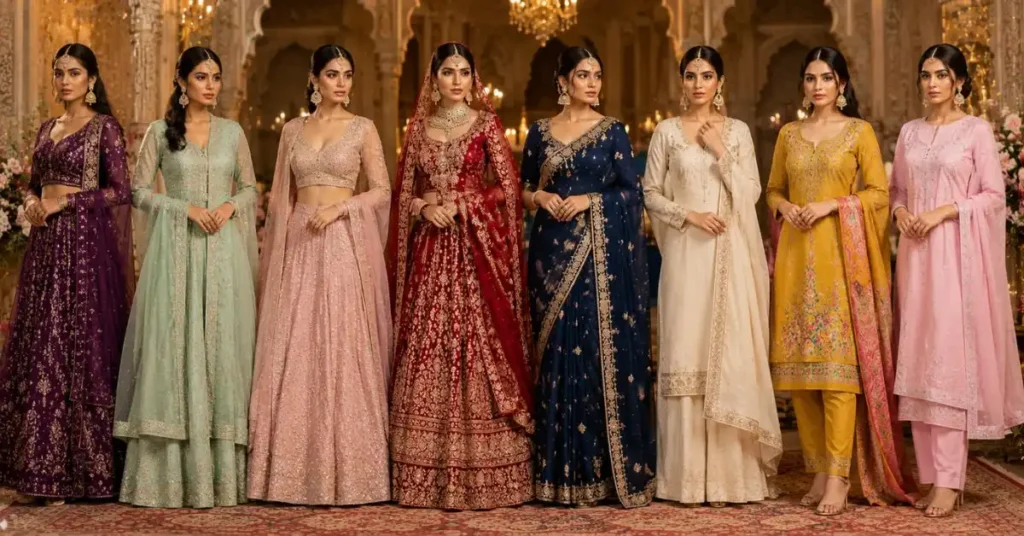
One of the most wonderful things about Designer Indian Dresses is that genuine quality and beauty exist at every price point. You do not need to spend a fortune to look extraordinary.
At the luxury end, investing in a piece by an established Indian couturier means acquiring a garment that will last decades and carry deep sentimental value. Bridal Designer Indian Dresses from houses like Sabyasachi or Manish Malhotra are heirloom pieces that brides often pass down through generations.
Mid-range options from emerging designers offer exceptional craftsmanship at more accessible prices. Many talented designers across India, Pakistan, and the UK are creating stunning embroidered pieces in the range that feel luxurious without requiring a bridal budget. Renting Designer Indian Dresses has also become a smart, sustainable option for one-time events.
For everyday festive wear, well-crafted cotton or georgette Designer Indian Dresses with minimal embroidery offer timeless style at friendly price points. Quality fabric and clean stitching always elevate a simpler piece. Invest in fit and fabric first, and the rest follows naturally.
Conclusion
Designer Indian Dresses represent far more than fashion. They carry the weight of centuries of artistry, cultural pride, and feminine elegance in every thread and embellishment. Whether you are drawn to the regal drama of a bridal lehenga choli, the effortless grace of a designer saree, the modern energy of an Indo-Western fusion piece, or the timeless comfort of a beautifully tailored salwar kameez, a perfect Designer Indian Dress is waiting for you in 2026. The key is understanding your occasion, choosing fabric that suits the season, and styling with intention rather than excess. South Asian fashion has never been more exciting, more accessible, or more globally celebrated than it is right now. Embrace it fully, wear it proudly.
FAQs
Q1. What makes Designer Indian Dresses different from regular ethnic wear?
Designer Indian Dresses are crafted with premium fabrics, hand embroidery, and couture-level construction that regular ethnic wear typically does not offer.
Q2. Which Indian Dress style is best for a wedding?
A heavily embroidered lehenga choli in silk or velvet is the most popular choice for weddings, delivering a bridal look that is both traditional and breathtaking.
Q3. Can Designer Indian Dresses be worn outside of South Asia?
Absolutely, designer Indian dresses, especially Indo-Western fusion pieces, are widely worn and celebrated at events across the UK, USA, Canada, and beyond.
Q4. What fabrics are most popular in Indian couture for 2026?
Silk, georgette, organza, and velvet remain the top fabrics, with sustainable options like khadi and bamboo silk gaining significant momentum this year.
Q5. How do I style a Designer Indian Dress for a semi-formal event?
Choose a designer salwar kameez or minimal organza saree, pair it with one statement jewellery piece, and finish with embroidered juttis for a polished yet understated look.
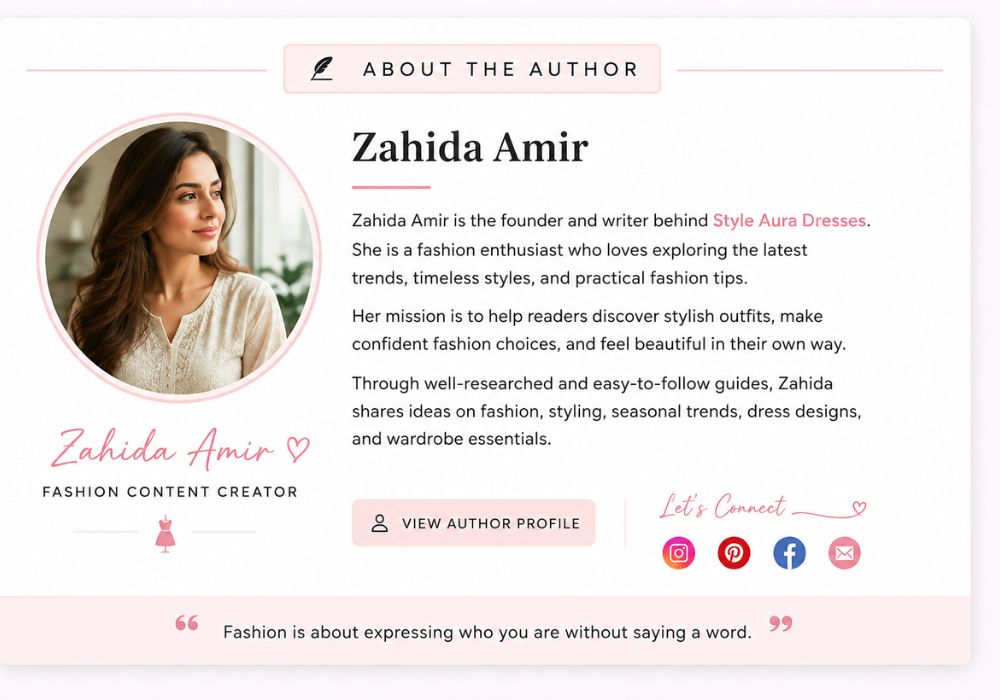
Zahida Amir is the founder and creative force behind Style Aura Dresses, a multicultural fashion blog celebrating South Asian, Western, and bridal dress styles. With a deep passion for fashion trends and timeless elegance, Zahida Amir curates content that helps readers discover the perfect look for every occasion.
Through Style Aura Dresses, Zahida Amir shares style guides, dress inspiration, and expert fashion tips, blending traditional and contemporary influences to inspire women worldwide.