
Quick Answer
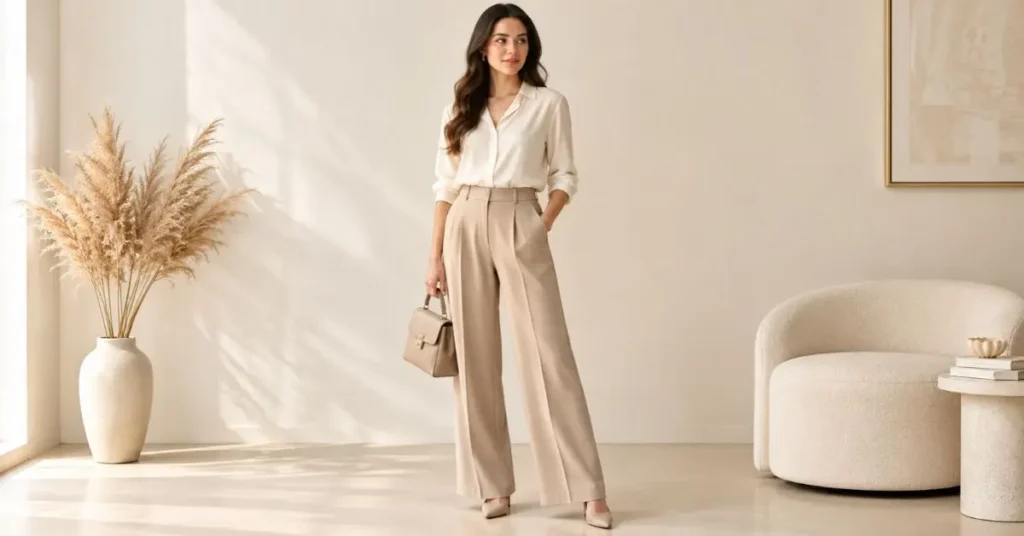
Women’s dress pants are tailored trousers designed for work, formal events, business-casual outfits, and polished everyday wear. Popular options include straight-leg, wide-leg, slim-fit, bootcut, and ankle-length styles. Choose a comfortable fit, a suitable fabric, and a versatile color, then pair your trousers with a blouse, shirt, blazer, or elegant top.
Author Box
Author: Zahida Amir
Role: Founder & Fashion Content Creator
Experience: Fashion styling, dress trends, outfit inspiration, seasonal fashion, fabrics, clothing care, and everyday wardrobe ideas.
Content Approach: Original fashion research, practical styling guidance, and trusted fashion resources designed to help readers make confident clothing and styling choices.
Introduction
Women’s dress pants are a versatile wardrobe essential for women who want to look stylish and feel comfortable. Whether you’re heading to the office, attending a job interview, meeting friends for lunch, or preparing for a formal event, the right pair of trousers can help you create a polished outfit with ease.
However, finding the perfect pair can be challenging. Some trousers feel tight around the waist, while others may not fit comfortably around the hips or thighs. Certain fabrics wrinkle easily, and the wrong length can affect the overall appearance of your outfit. Choosing the right pair means considering your body proportions, preferred style, daily activities, and budget.
Fortunately, women’s dress pants come in a wide range of cuts, colors, fabrics, and designs. You can choose classic black trousers for professional settings, wide-leg pants for a modern look, or lightweight linen-blend trousers for warmer days.
At Style Aura Dresses, we share practical fashion inspiration to help you choose your wardrobe with confidence. In this guide, you’ll discover popular dress pants styles, learn how to find a comfortable fit, explore fabric options, and get outfit ideas for work, casual outings, and special occasions. You’ll also learn how to care for your trousers and choose versatile pieces that complement your existing wardrobe.
What Are Women’s Dress Pants?
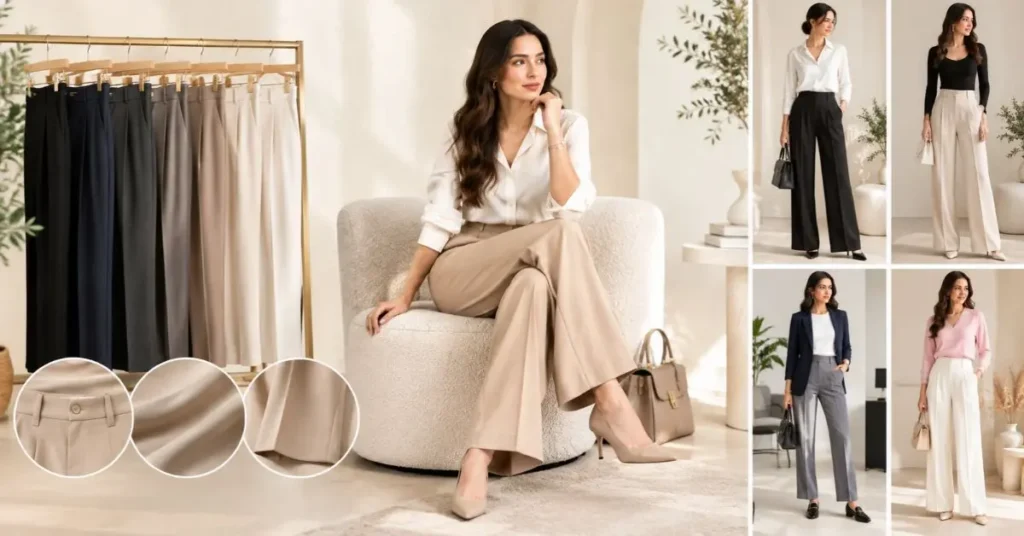
Women’s dress pants are tailored or semi-tailored trousers that create a neat, refined appearance. They usually feature structured waistbands, smooth fabrics, clean seams, and carefully shaped legs. Unlike jeans or casual joggers, they generally suit professional environments and outfits that require a more polished finish.
Dress pants are also known as dress trousers or slacks. The exact meaning can vary by brand and region, but these terms commonly describe trousers designed for smart, professional, or semi-formal occasions.
You do not need to work in an office to wear them. Modern designs work well for dinners, presentations, conferences, travel, celebrations, and everyday outings.
Why dress pants deserve a place in your wardrobe
- Versatility: One pair can work with several tops, jackets, and shoes.
- Polished appearance: Tailored lines can make a simple outfit look intentional.
- Comfort options: Stretch blends and relaxed cuts offer more freedom of movement.
- Seasonal flexibility: Lightweight fabrics suit warm weather, while wool blends provide more warmth.
- Easy coordination: Neutral shades work with many colors and patterns.
The best pair depends on where you plan to wear it. A structured black trouser may suit a formal office, while a relaxed beige style may feel more appropriate for brunch or a casual meeting.
Consider your daily routine before buying. If you spend hours sitting, prioritize a comfortable waistband and enough room through the hips. If you walk frequently, check the hem length and choose a fabric that moves easily.
You can also explore modern dress styles and outfit inspiration to discover ways to build coordinated looks around different wardrobe pieces.
Popular Women’s Dress Pants Styles
The silhouette of your trousers affects the overall appearance of an outfit. Some cuts create a traditional professional look, while others offer a relaxed or contemporary feel. Understanding these differences makes shopping easier.
| Dress pants style | Best for | Suitable season | Styling idea |
|---|---|---|---|
| Straight-leg | Work and everyday wear | All seasons, depending on fabric | Button-down shirt and loafers |
| Wide-leg | Business casual and dinners | Spring through winter, depending on fabric | Fitted top and structured blazer |
| Slim-fit | Office and smart-casual outfits | All seasons | Blouse and pointed-toe flats |
| Bootcut | Professional and dressy outfits | Most seasons | Heeled shoes and a tucked-in top |
| Ankle-length | Casual offices and daytime outings | Spring and summer, or mild weather | Loafers and a lightweight blouse |
| Pleated trousers | Meetings and polished occasions | Fall and winter in heavier fabrics | Fine-knit top and tailored jacket |
Straight-leg trousers
Straight-leg pants maintain a relatively consistent width from the thigh toward the hem. Their balanced shape makes them easy to coordinate with shirts, blouses, sweaters, and blazers.
Choose this style if you want a dependable option for work and everyday wear. Check that the fabric falls smoothly rather than pulling across the hips.
Wide-leg dress pants
Wide-leg trousers create more space through the legs and offer a flowing, modern silhouette. They can work particularly well with fitted tops, tucked-in shirts, and shorter jackets.
Their main consideration is length. Trousers that drag on the ground can become dirty or damaged, while excessively short hems may interrupt the intended shape.
Slim-fit and tapered pants
Slim-fit trousers follow the leg more closely without necessarily clinging to it. Tapered pants gradually narrow toward the ankle.
Both styles work well with longer shirts, lightweight blazers, and simple footwear. Make sure the fabric allows comfortable sitting and walking.
Bootcut and ankle-length pants
Bootcut trousers widen slightly toward the hem, while ankle-length pants finish above the ankle. Bootcut styles pair well with heels, whereas ankle-length designs work with loafers, ballet flats, and clean sneakers in casual settings.
There is no single best silhouette for every woman. Choose the style that feels comfortable, suits your proportions, and works with the shoes you already own.
How to Choose the Right Fit
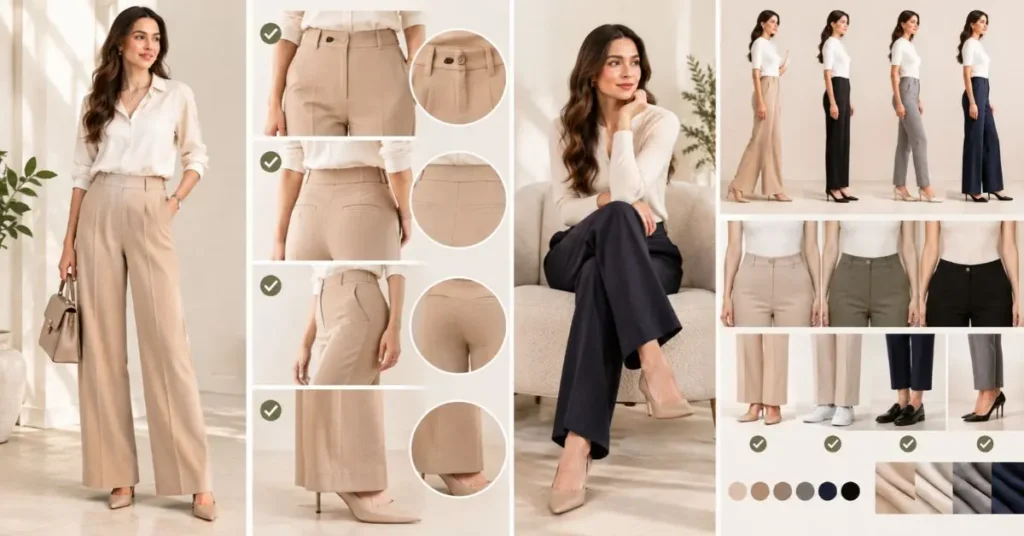
Fit matters more than the size printed on the label. Different brands use different measurements, and two pairs marked with the same size may fit differently.
Start by checking the waistband, hips, seat, thighs, and hem. A good pair should stay in place when you walk, sit comfortably, and maintain a clean line without excessive pulling or bunching.
Check the waistband and rise
The rise describes the distance between the crotch seam and the waistband. High-rise pants sit higher on the waist, while mid-rise designs sit lower. Your most comfortable option depends on your body proportions and personal preference.
- Choose a waistband that stays secure without digging into your stomach.
- Sit down to check whether the closure feels uncomfortable.
- Look for excessive gaps at the back of the waist.
- Make sure the front closure lies flat.
Check the hips and thighs
The fabric should follow your shape without stretching tightly across the hips or seat. Horizontal tension lines, strained pockets, and uncomfortable pulling may indicate that you need a different size or cut.
If trousers fit your waist but feel restrictive around the thighs, try a fuller cut or a curvy-fit design instead of automatically buying a larger size.
Get the length right
Your intended shoes should guide the final hem length. Straight-leg pants often look neat when they fall close to the top of the shoe, while wide-leg trousers may need extra length to maintain their flowing shape.
Petite shoppers can explore shorter inseams, and taller shoppers may prefer long or tall sizing. A simple hem alteration can improve the appearance of trousers that otherwise fit well.
Women’s dress pants fitting checklist
Before buying, check the following:
- The waistband feels secure when standing and sitting.
- The hips and seat have enough room for movement.
- The thighs do not feel restricted.
- The fabric does not pull sharply across the front.
- The crotch area feels comfortable without excess fabric.
- The hem works with your preferred footwear.
- The pockets lie flat and do not pull open.
- You can walk, sit, and climb stairs comfortably.
Try the trousers in natural movement rather than judging them only in front of a mirror. A comfortable fit will make the garment easier to wear throughout the day.
Best Fabrics for Women’s Dress Pants
Fabric affects comfort, appearance, drape, durability, and care requirements. A style that works beautifully in lightweight crepe may look completely different in thick wool or rigid cotton.
| Fabric | Best occasion or season | Key benefit | Styling and care tip |
|---|---|---|---|
| Wool or wool blend | Professional wear and cooler weather | Structured appearance and warmth | Follow the care label; some pieces need dry cleaning |
| Polyester blend | Work and frequent wear | Often holds its shape and resists wrinkles | Check breathability and fabric quality |
| Crepe | Office wear and dinners | Smooth drape with a refined finish | Use the recommended washing method |
| Cotton twill | Smart-casual outfits | Durable, structured feel | Wash according to the garment label |
| Linen or linen blend | Warm weather and travel | Lightweight feel and airflow | Expect some natural wrinkling |
| Viscose or rayon blend | Relaxed formal and everyday outfits | Soft drape and fluid movement | Avoid heat or washing methods that may cause shrinkage |
Wool and wool blends
Wool trousers work well in cooler conditions and for traditional professional outfits. Their structured appearance works well with tailored blazers, fine-knit sweaters, and button-down shirts.
Some wool fabrics need specialist care, so check the label before purchasing.
Polyester blends and crepe
Polyester blends can offer practical wrinkle resistance, although performance varies by construction and fiber blend. Crepe often has a slightly textured surface and a graceful drape that suits office outfits and evening looks.
Avoid assuming that every synthetic fabric will feel comfortable in hot weather. Compare thickness, lining, stretch, and breathability.
Cotton and linen
Cotton twill provides a more structured feel for smart-casual outfits. Linen and linen blends suit warm weather because they feel light and airy, but pure linen usually wrinkles more easily.
For summer, consider lightweight trousers in beige, cream, navy, or soft gray. In winter, choose a heavier fabric that works with knitwear, boots, and tailored outerwear.
Practical rule: Choose the fabric for your climate and routine first, then select the color and silhouette. This helps you avoid buying attractive trousers that are uncomfortable or difficult to maintain.
How to Style Women’s Dress Pants for Different Occasions
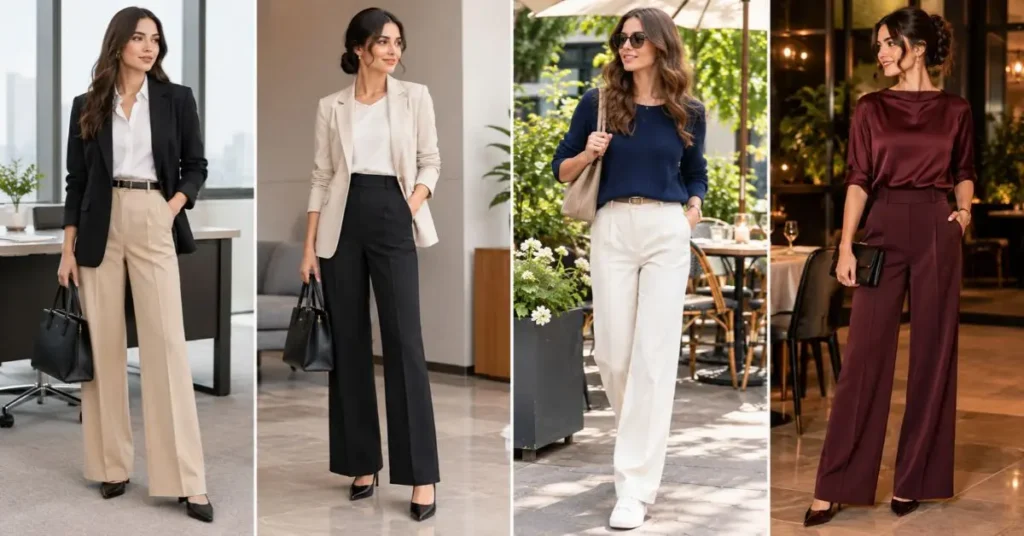
Women’s dress pants can work for many occasions when you coordinate the top, footwear, and accessories. You do not need a completely different wardrobe for every setting. A few versatile pieces can create several outfits.
Office and business meetings
For a professional appearance, pair straight-leg or tailored wide-leg trousers with a button-down shirt, blouse, or lightweight knit top. Add a blazer when the setting calls for more structure.
Black, charcoal, navy, and beige are easy starting points because they coordinate with many colors. Loafers, low heels, or closed-toe flats can complete the outfit.
Keep accessories practical. A structured handbag, simple earrings, and a neat belt can add polish without distracting from the overall look.
Interviews and formal work settings
Choose trousers with a clean finish and minimal decorative details. Pair them with a well-fitted shirt, modest blouse, or coordinated blazer.
Check the workplace dress code before choosing colors or footwear. Some environments favor traditional tailoring, while others welcome relaxed silhouettes and more expressive styling.
Make sure the outfit allows you to sit comfortably during a long interview. Wrinkles, tight waistbands, and hems that catch under your shoes can distract you from the occasion.
Casual outings and brunch
For a relaxed appearance, combine ankle-length trousers with a cotton top, a simple knit, or a tucked-in T-shirt. Clean sneakers, ballet flats, or loafers can make the outfit feel comfortable.
Try cream pants with a navy top, beige trousers with white, or black pants with a soft pastel blouse. These combinations look coordinated without requiring complicated accessories.
A lightweight cardigan or denim jacket can add another layer when the weather changes.
Dinners and special occasions
Choose wide-leg trousers in crepe or another elegant fabric and pair them with a satin-finish blouse, fitted top, or tailored jacket. Heels or refined flats can complete the look.
Deep navy, black, burgundy, and emerald are useful choices for evening outfits. Keep the accessories balanced: a small handbag, delicate jewelry, and one standout detail are often enough.
For more inspiration on balancing colors, textures, and silhouettes, explore different fashion styles for women.
Color Combinations That Make Dress Pants Easy to Style
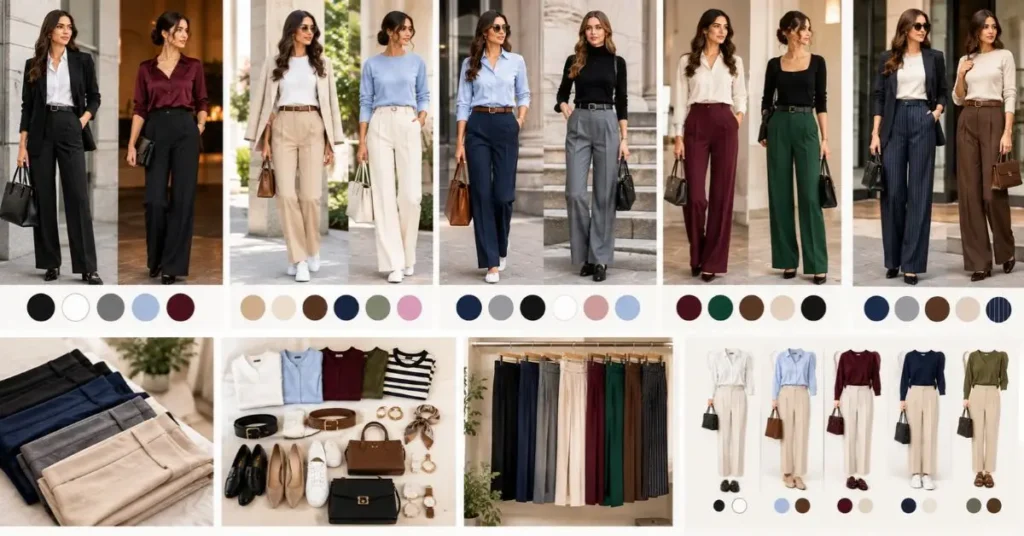
Color coordination can help you create outfits that feel intentional. Neutral trousers are particularly useful because you can combine them with many tops without buying a separate wardrobe for each look.
Black dress pants
Black trousers are among the most versatile options for work, dinners, and formal settings. Pair them with white, cream, gray, pale blue, or burgundy.
For a professional outfit, try black straight-leg pants with a white shirt and black loafers. For an evening look, switch to a satin blouse and understated jewelry.
Beige and cream trousers
Beige and cream pants create a soft, refined appearance. They work well with white, brown, navy, olive, and pastel shades.
Choose a fabric with enough opacity, especially if the trousers are light-colored. Check them in natural light to see whether pockets or undergarments show through.
Navy and gray trousers
Navy trousers offer a softer alternative to black while remaining suitable for professional outfits. Gray pairs well with white, black, dusty pink, and blue.
For a coordinated office look, combine navy pants with a pale blue shirt and a neutral handbag. Gray trousers can work with a black knit top and loafers for an understated outfit.
Bold colors and patterns
Burgundy, forest green, chocolate brown, and pinstripes can add personality to a wardrobe. If your trousers feature a strong pattern or bright color, keep the top relatively simple.
You can also use a belt or handbag to connect the colors in your outfit. The goal is not to match every item exactly, but to create a balanced overall appearance.
A simple color-coordination framework
- Start with one main color, such as black, navy, beige, or gray.
- Select a top that complements or contrasts with that color.
- Add a second neutral through your shoes or handbag.
- Introduce one accent color through jewelry, a scarf, or another accessory.
- Check the complete outfit in natural light before leaving.
This method makes outfit planning easier and helps you get more use from the trousers you already own.
Seasonal Styling and Common Mistakes to Avoid
The right women’s dress pants should suit both the occasion and the weather. A comfortable summer outfit may become impractical in cold conditions, while thick winter trousers can feel too warm during a hot afternoon.
Spring and summer
Choose lightweight cotton blends, linen blends, or breathable fabrics with a comfortable fit. Ankle-length trousers, straight-leg styles, and relaxed wide-leg cuts can all work well.
Pair them with short-sleeved blouses, cotton shirts, or lightweight tops. Loafers, flats, and sandals may suit casual settings, depending on the occasion.
Light colors can create a fresh seasonal appearance, but dark trousers remain practical if they suit your wardrobe.
Fall and winter
Look for heavier fabrics, including suitable wool blends and structured crepe. Pair trousers with fine-knit sweaters, long-sleeved shirts, blazers, or coats.
Boots can work well with straight-leg and bootcut designs. With wide-leg trousers, check that the hem falls neatly over your footwear without dragging.
Layering adds warmth, but make sure the waistband and hips remain comfortable when you wear a tucked-in top and an extra layer.
Common mistakes
Choosing appearance over comfort: Attractive trousers are not useful if you cannot sit or walk comfortably. Test the fit before buying.
Ignoring fabric opacity: Light-colored trousers may become transparent in bright light. Check the fabric before wearing them outdoors.
Wearing the wrong hem length: Excess fabric can drag on the ground, while an unintended short hem can change the overall shape. Check the length with your usual shoes.
Overloading the outfit with accessories: If your trousers have pleats, a bold pattern, or a wide silhouette, simpler accessories can create better balance.
Buying without checking care instructions: Some fabrics shrink, crease, or lose their finish when washed incorrectly. Read the label before cleaning.
Following every trend: A fashionable cut may not suit your daily routine. Invest first in a style that works with your lifestyle, then add trend-led pieces if you want variety.
For a broader look at traditional and contemporary outfit choices, see this guide to Pakistani clothing trends and styling.
How to Care for Women’s Dress Pants and Build a Useful Wardrobe
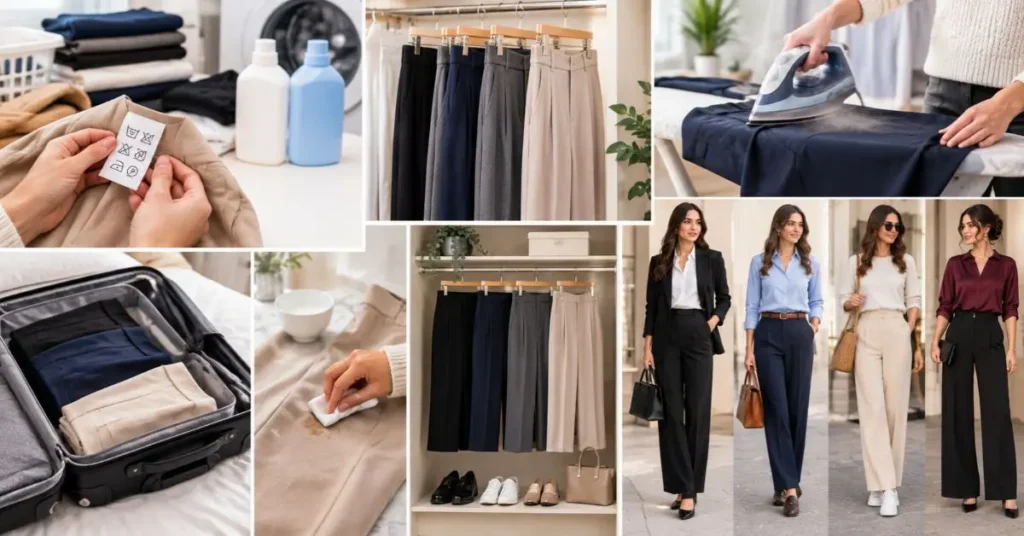
Proper care helps trousers maintain their shape, color, and finish. The correct method depends on the fiber, construction, lining, and care label, so avoid treating every pair the same way.
Washing and storage
- Read the garment’s care label before washing.
- Separate dark and light colors when needed.
- Use the recommended water temperature and washing method.
- Avoid excessive heat if the fabric may shrink or become damaged.
- Hang trousers from the waistband or use a suitable trouser hanger.
- Let the fabric air out between wears when appropriate.
- Remove small marks promptly using a method suitable for the material.
Some tailored trousers require dry cleaning, while others can be machine-washed. Never assume that a garment is washable just because its outer fabric feels durable.
Pressing and wrinkle prevention
Use the temperature recommended for the fabric. If you are unsure, test a hidden area first or use a pressing cloth where appropriate.
Hang trousers promptly after washing and allow them to dry fully before storing them. For travel, fold along the existing creases when possible and unpack them as soon as you arrive.
Build a small, versatile collection
You do not need ten pairs of trousers to create multiple outfits. Begin with two or three styles that serve different purposes.
A practical starter collection might include:
- One pair of black straight-leg trousers for work and formal settings.
- One pair of navy or gray trousers for everyday professional outfits.
- One pair of relaxed wide-leg or ankle-length trousers for casual occasions.
Add a fourth pair in a seasonal fabric or color if your routine requires it. Before buying, consider which shirts, blouses, shoes, and jackets you already own.
This approach reduces unnecessary spending and helps you build a wardrobe that works together. You can adapt the same trousers to different settings by changing your top, footwear, and accessories.
Conclusion
Women’s dress pants offer an easy way to create polished outfits for work, meetings, dinners, and everyday activities. The best pair combines a comfortable fit, a suitable fabric, and a silhouette that matches your personal style.
Start with versatile colors such as black, navy, gray, or beige. Consider straight-leg trousers for everyday flexibility, wide-leg pants for a contemporary look, and slim-fit styles when you prefer a closer silhouette. Always check the waistband, hips, length, and comfort before buying.
With thoughtful styling and proper care, a small collection of well-chosen trousers can support many outfits throughout the year. Focus on what works for your lifestyle rather than following every trend, and let comfort and personal confidence guide your choices.
Frequently Asked Questions
1. What are the most versatile women’s dress pants?
Straight-leg trousers in black, navy, or gray are versatile choices because they pair well with blouses, shirts, sweaters, and blazers. Their balanced silhouette works for many professional and smart-casual settings.
2. Are wide-leg dress pants suitable for work?
Yes. Wide-leg trousers can suit many workplaces when they have a neat finish and an appropriate length. Pair them with a fitted top, blouse, or blazer for a balanced professional outfit.
3. What fabric is best for women’s dress pants?
The best fabric depends on the weather and occasion. Wool blends can suit cooler conditions, cotton twill works well for smart-casual wear, and linen blends are useful in warm weather. Crepe and polyester blends can also work well, depending on their quality and construction.
4. How should women’s dress pants fit?
They should sit securely at the waist, skim the hips, allow comfortable movement through the thighs, and fall neatly toward the hem. Avoid trousers that pull, pinch, sag, or drag on the ground.
5. Can I wear dress pants casually?
Yes. Combine dress pants with a simple T-shirt, knit top, or casual blouse. Clean sneakers, flats, or loafers can make the outfit feel relaxed while keeping it polished.
6. Which colors are best for a work wardrobe?
Black, navy, charcoal gray, and beige are practical starting points. These colors coordinate easily with white shirts, pastel blouses, neutral knitwear, and many blazer shades.
7. How can I make dress pants look more elegant?
Choose a fabric with a clean drape, check the hem length, and pair the trousers with a well-fitted top. Refined shoes, a structured handbag, and simple jewelry can complete the outfit without making it look overdone.
8. How do I prevent dress pants from wrinkling?
Choose a fabric with suitable wrinkle resistance, follow the care label, and hang trousers properly after washing. For travel, fold them carefully and unpack them promptly. Linen naturally wrinkles more than many synthetic blends, so consider that before buying.
9. Are dress pants suitable for petite women?
Yes. Petite women can try petite-specific sizing, ankle-length trousers, or straight-leg styles. The most important factors are the rise, inseam, and overall fit rather than a rigid rule about which cuts to wear.
10. How many pairs of dress pants should I own?
Two or three versatile pairs are enough for many wardrobes. Start with a neutral pair for professional settings and another for everyday wear, then add a different silhouette or seasonal fabric if you need more variety.
Zahida Amir is the creative force behind Style Aura Dresses, a multicultural fashion blog. With a passion for timeless elegance, she curates easy-to-follow style guides that help readers find the perfect look for every occasion.